Window choices for new buildings affect energy efficiency, comfort and long-term value. Discover the differences between PVC, wood and wood-aluminium windows and how to choose the right solution for your project.
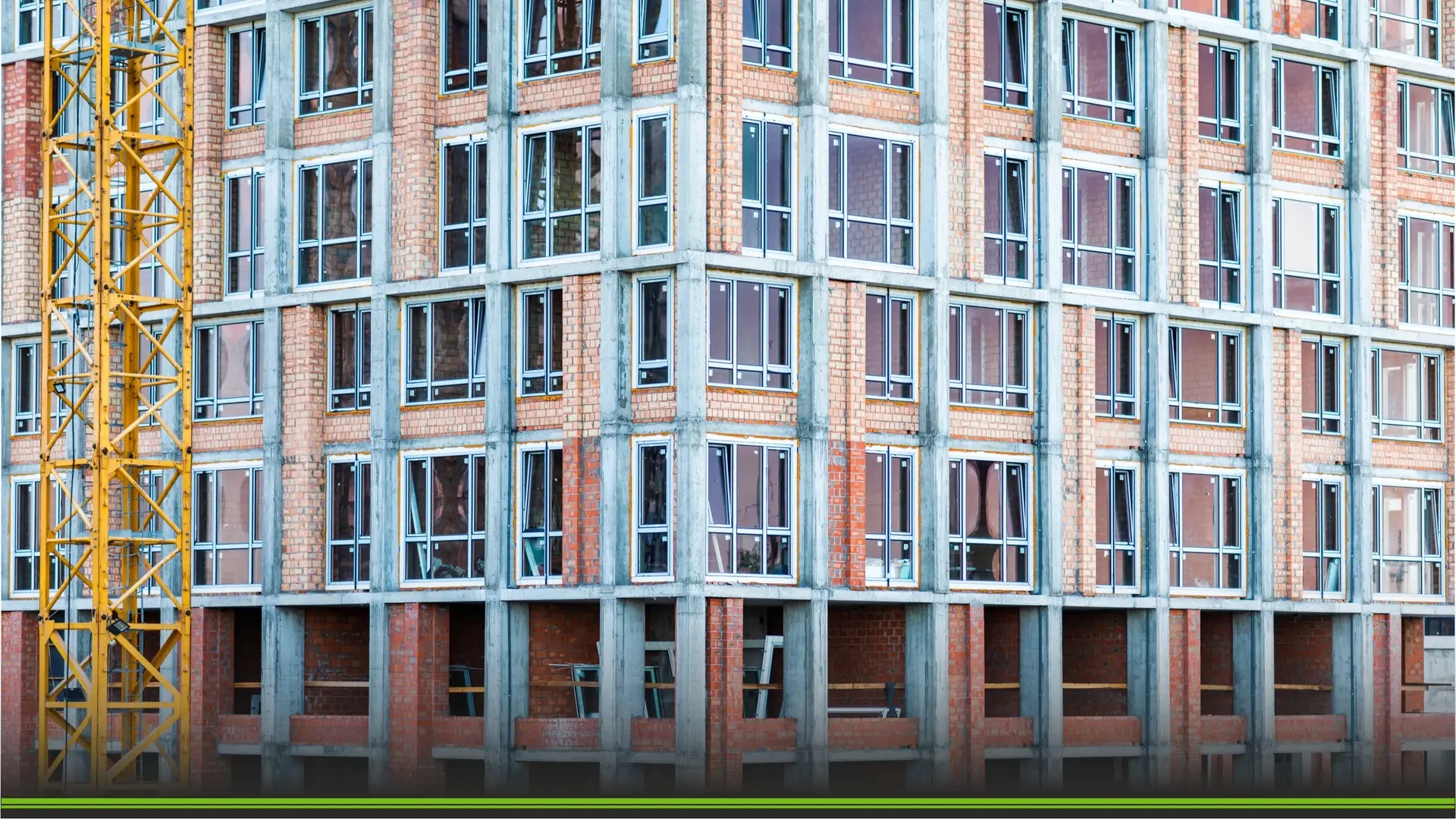
Constructing a new building involves important decisions affecting long-term living quality and maintenance costs. Choosing windows and balcony doors is crucial because they directly affect energy efficiency, comfort, security and the facade’s overall appearance.
Today’s market offers four main solutions commonly used in new construction: PVC, wooden, aluminium and wood-aluminium windows. Each material has its characteristics, advantages and optimal applications.
The right choice concerns long-term value, durability and functionality as well as price.
Why does choosing windows matter in new construction?
Windows are among the building envelope’s most vulnerable areas for energy loss. Inferior products can lose substantial heat in winter and cause summer overheating.
Besides energy efficiency, windows affect:
Treat windows and doors as an investment lasting decades rather than a short-term expense.
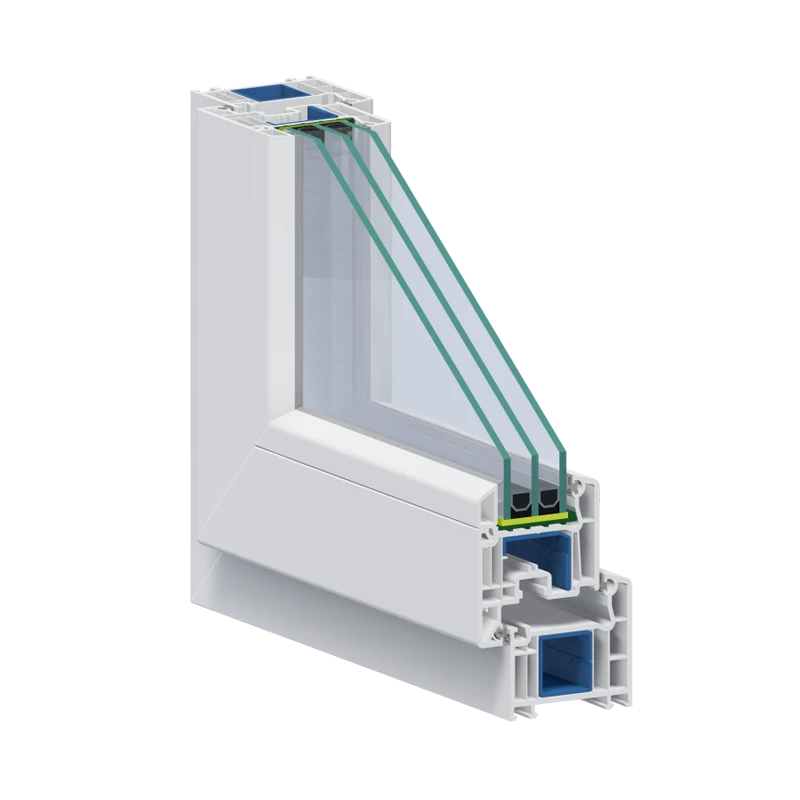
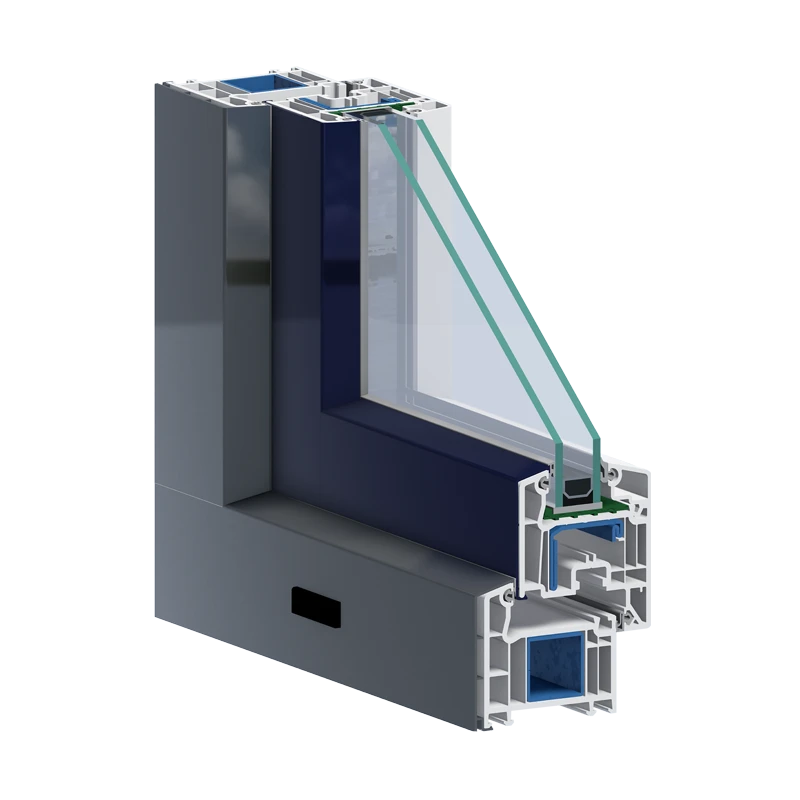
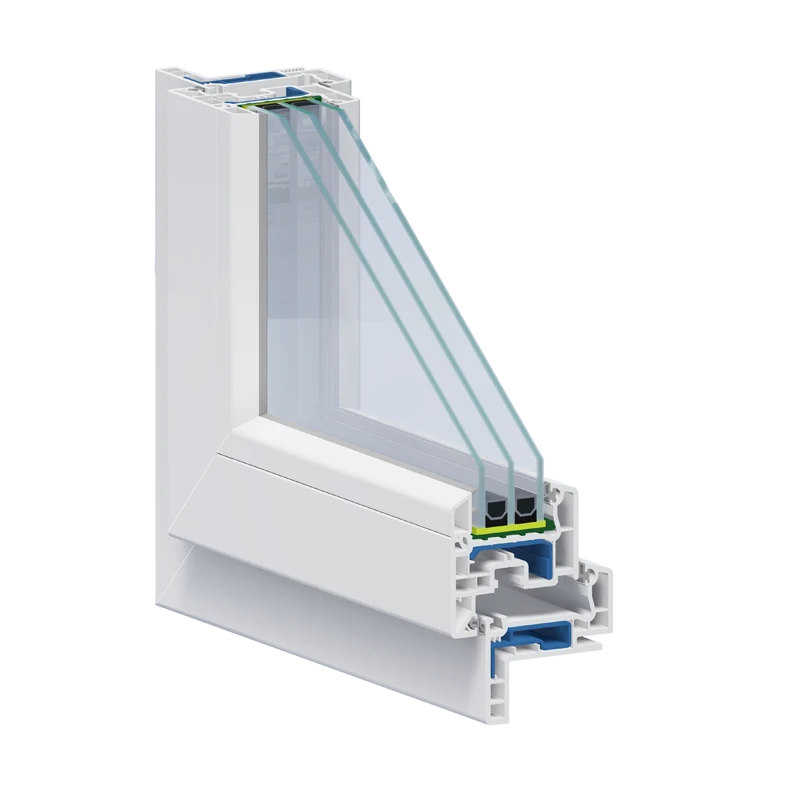
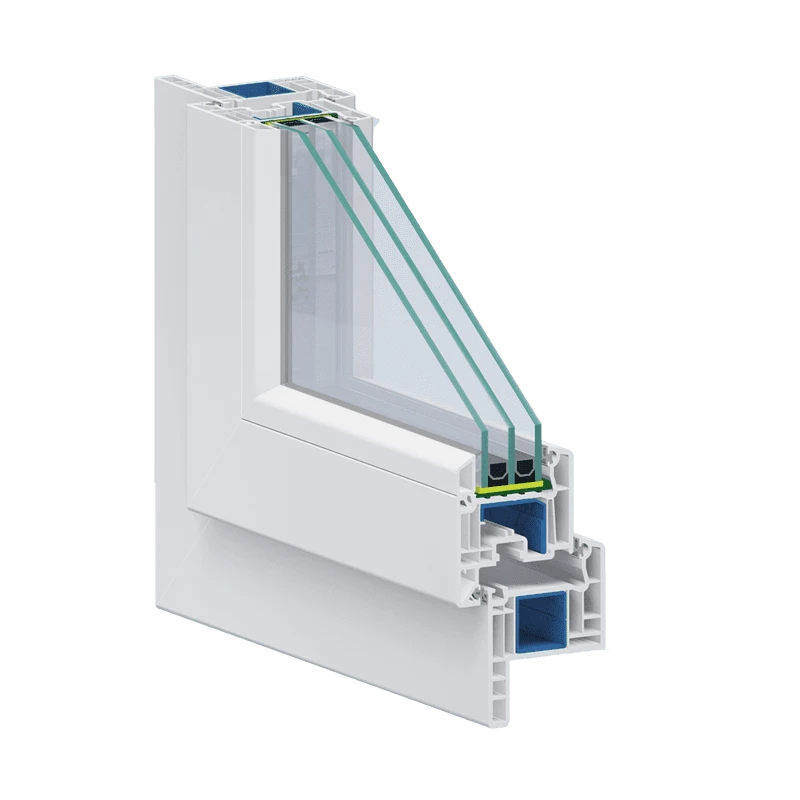
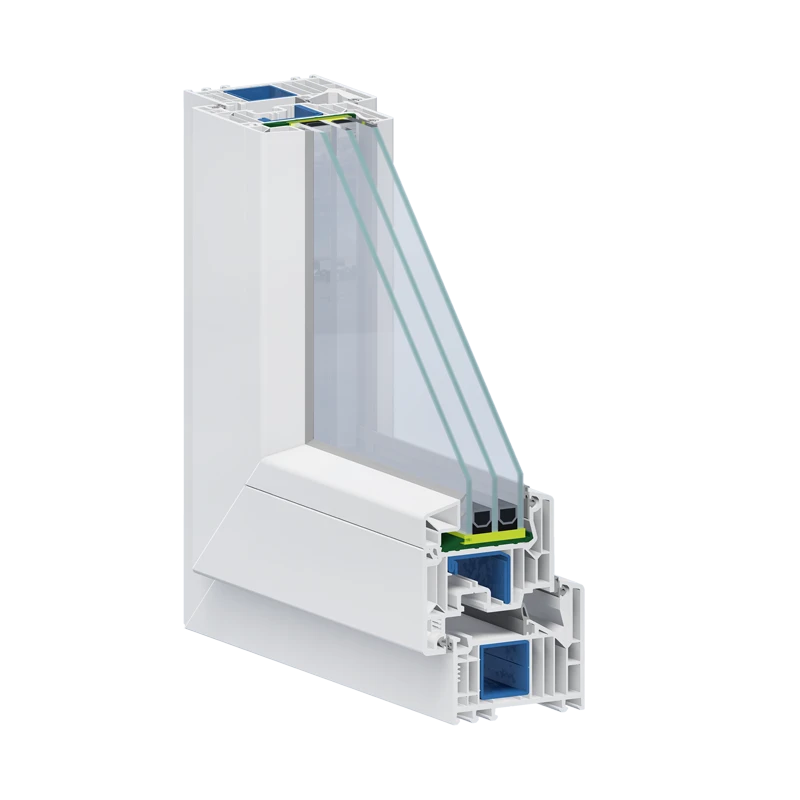
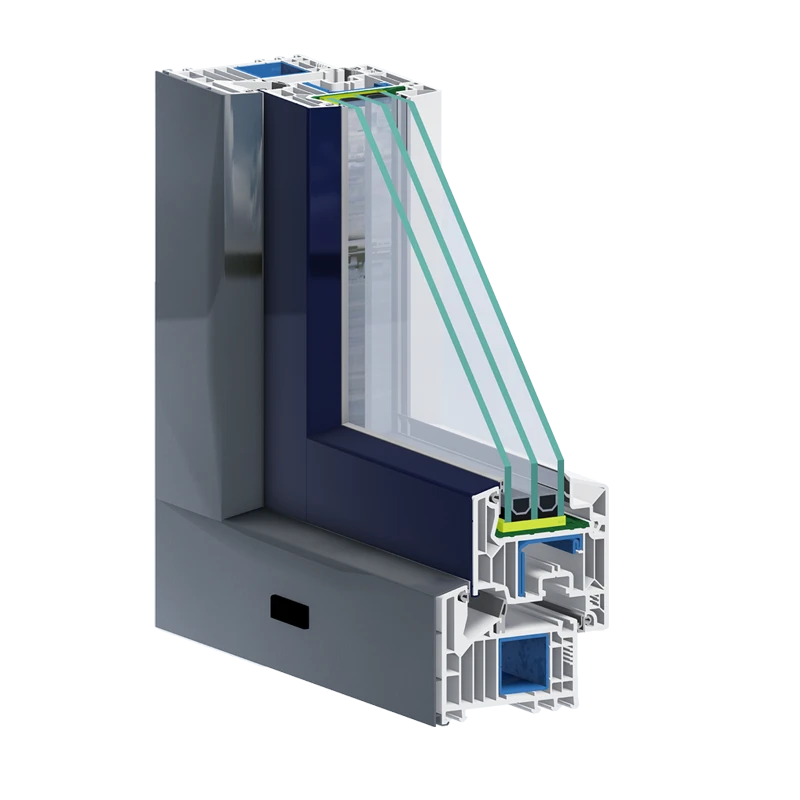
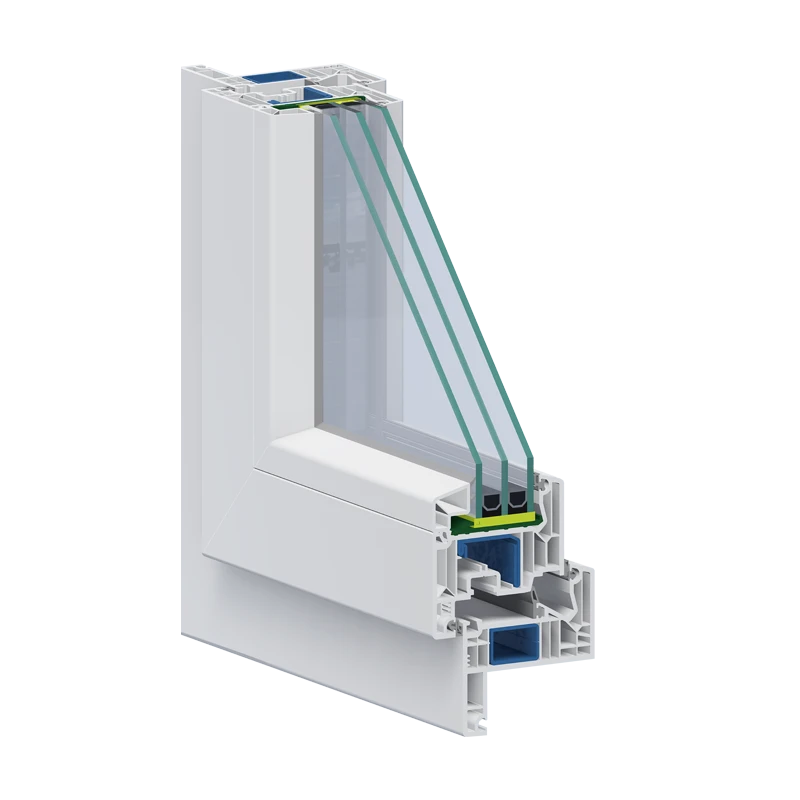
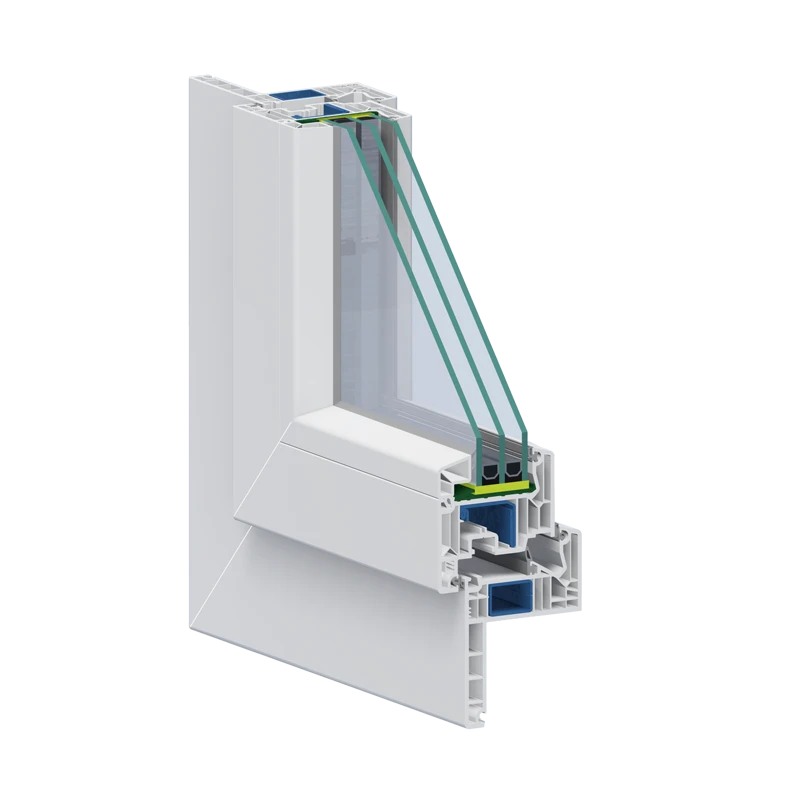
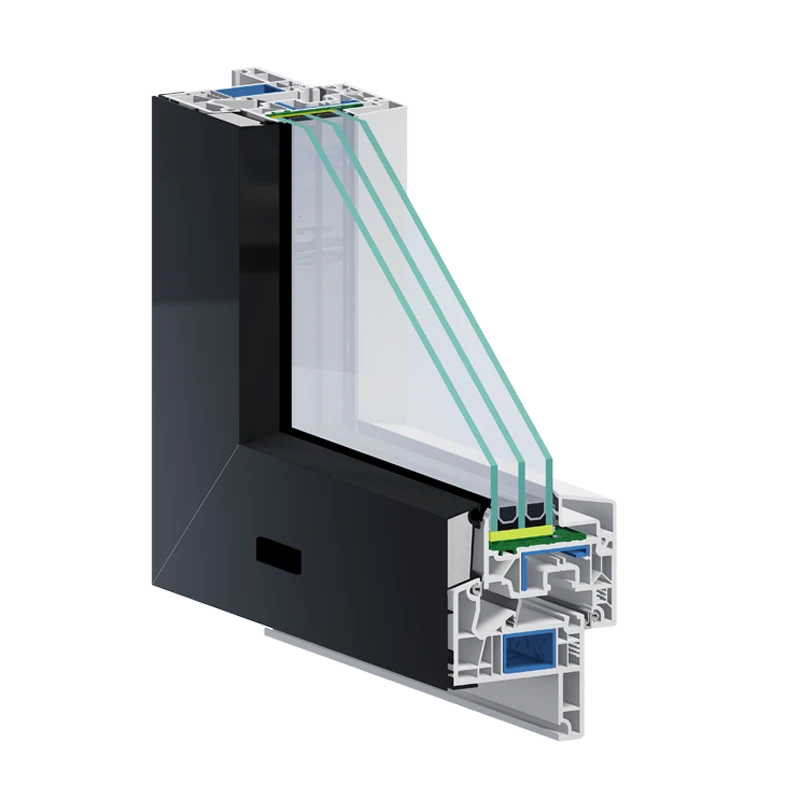
PVC is the most common choice in modern residential construction, combining good thermal insulation, durability and affordability.
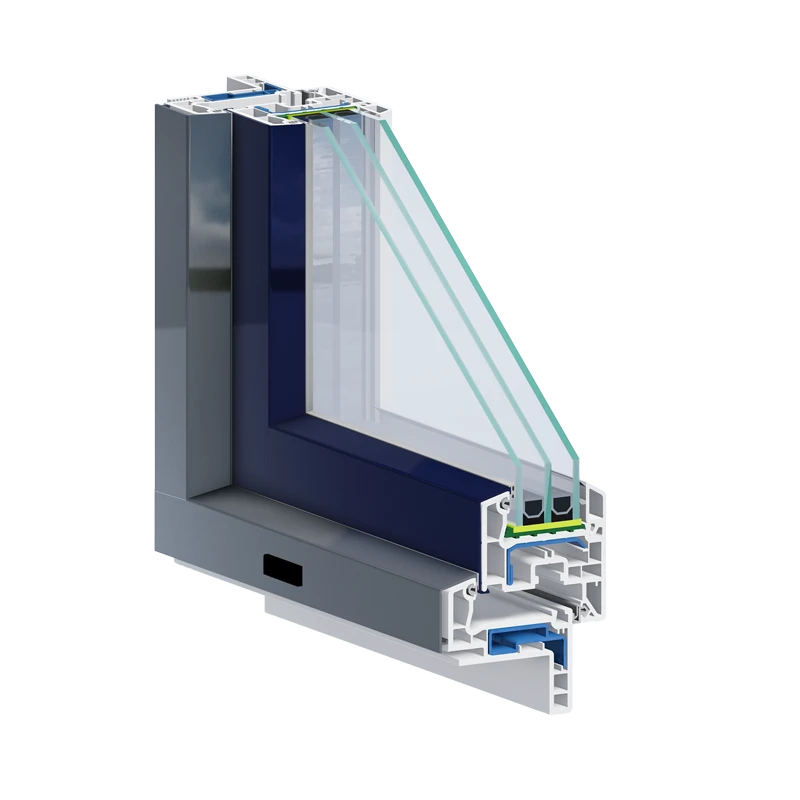
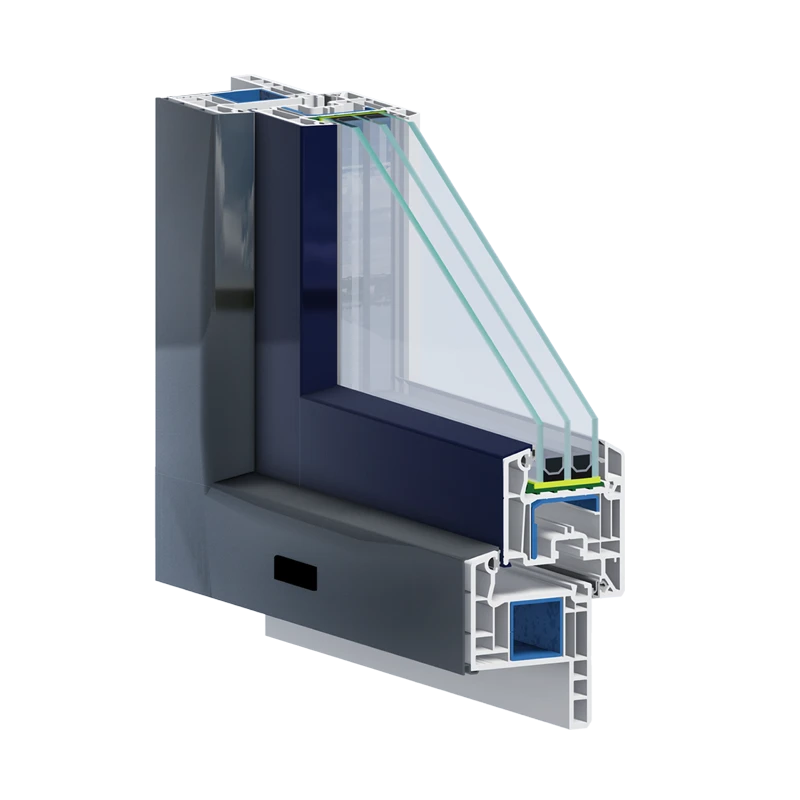
Modern PVC systems use multi-chamber profiles with steel reinforcement for structural stability and deformation resistance. With triple glazing and quality hardware, PVC windows meet high energy-efficiency standards.
Advantages of PVC windows
excellent value for money,
good thermal and sound insulation,
easy maintenance,
moisture and weather resistance,
long service life,
a wide choice of colours and finishes.
PVC windows are especially suitable for:
family homes,
apartment buildings,
renovations,
property developments.
For most projects, PVC is a practical, technically reliable choice.
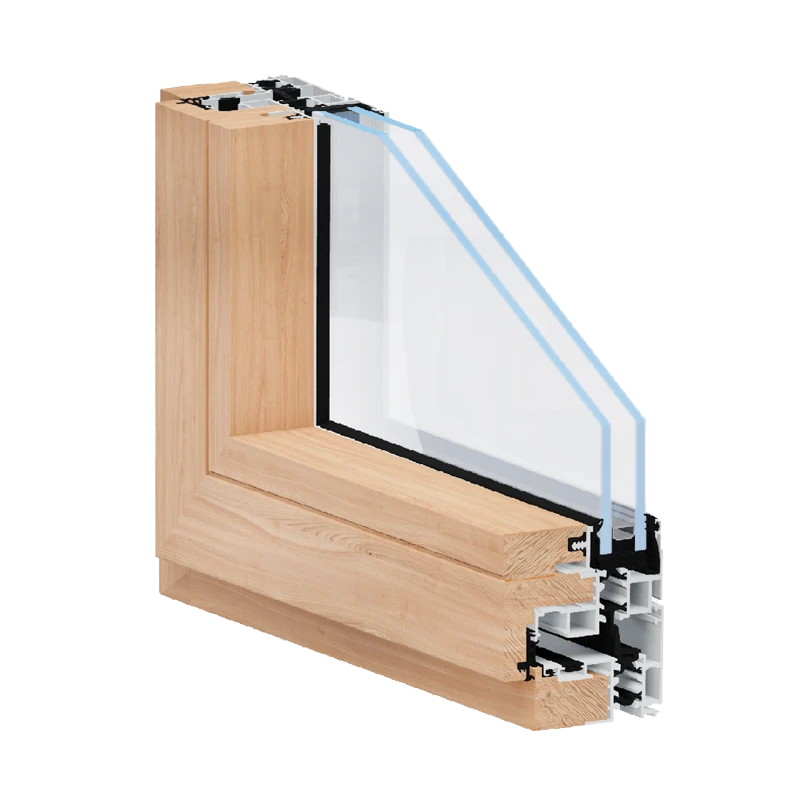
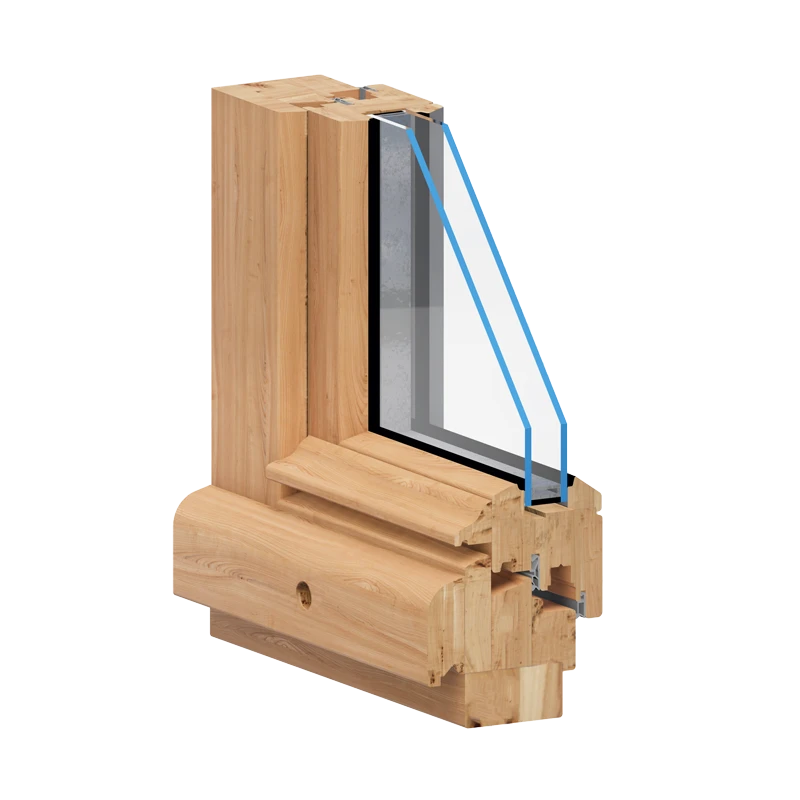
Wood has been used in windows for centuries. Modern wooden windows use multilayer laminated timber for stability, resistance to twisting and durability.
Their main advantage is a natural appearance and the warmth they bring indoors. Wood has very good insulating properties and complements many architectural styles.
Advantages of wooden windows
a natural, premium appearance,
excellent thermal insulation,
high structural stability,
restorable surfaces,
an environmentally friendly material.
Wooden windows are often used in:
Although requiring slightly more maintenance than PVC, wooden windows offer unique aesthetic value and long service life.
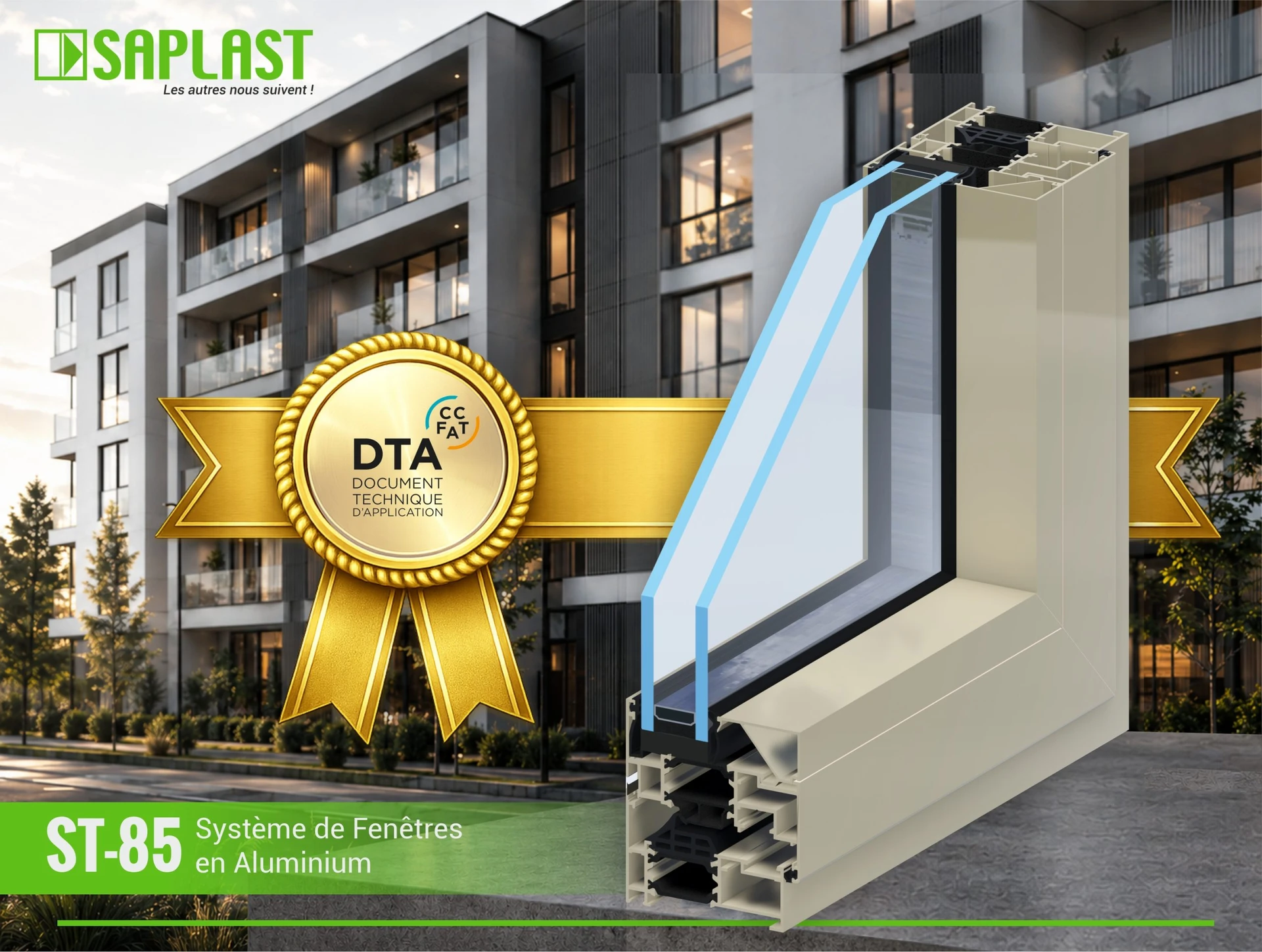
Aluminium is most commonly used in larger buildings, commercial premises and modern housing complexes. Its exceptional structural stability permits large glazed areas and modern facade solutions.
Modern thermally broken aluminium systems achieve very good insulation, high weather resistance and minimal maintenance.
Advantages of aluminium windows and doors
high strength and stability,
large glazed areas,
a modern appearance,
corrosion and weather resistance,
long service life,
minimal maintenance.
Aluminium windows and doors are especially common in:
Aluminium’s structural stability often makes it the first choice when architecture requires large windows or sliding systems.
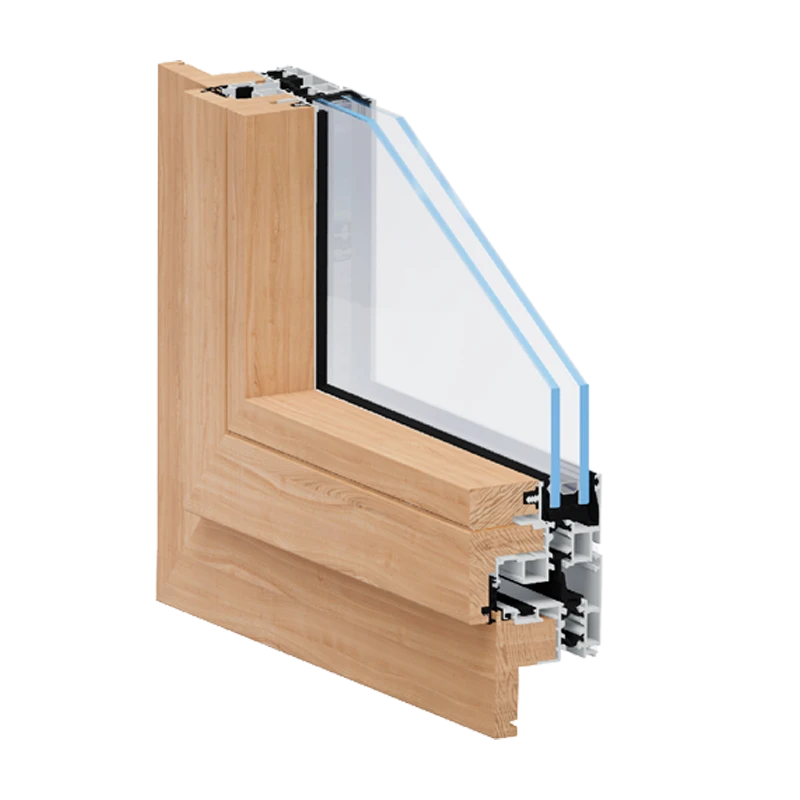
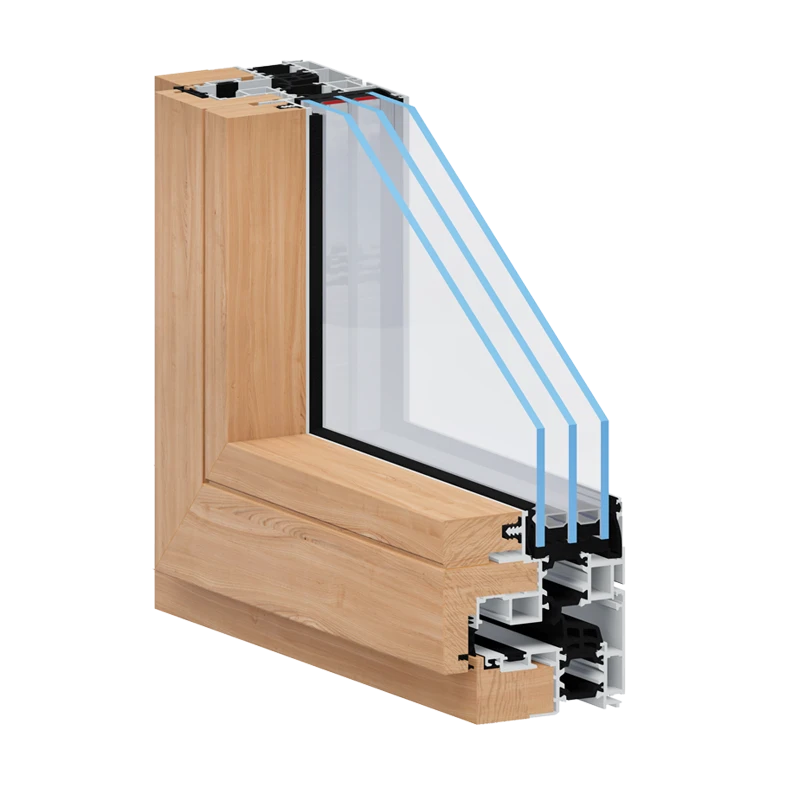
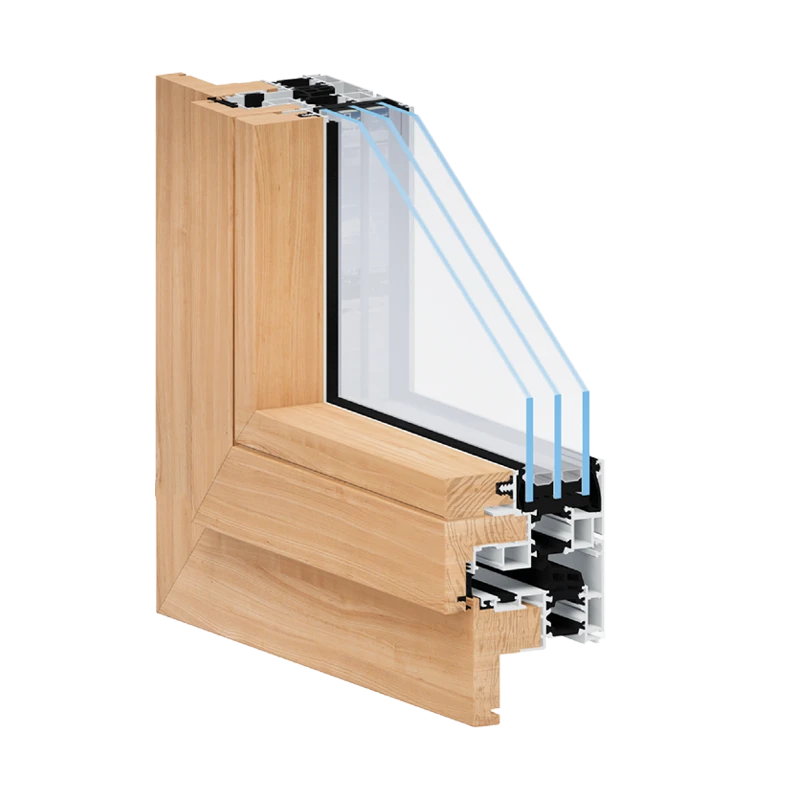
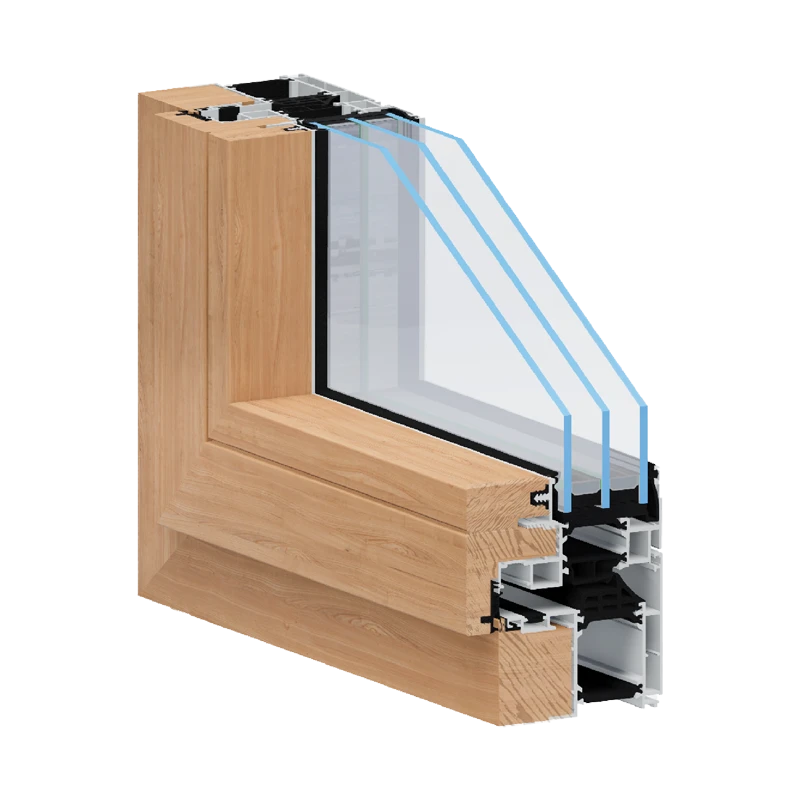
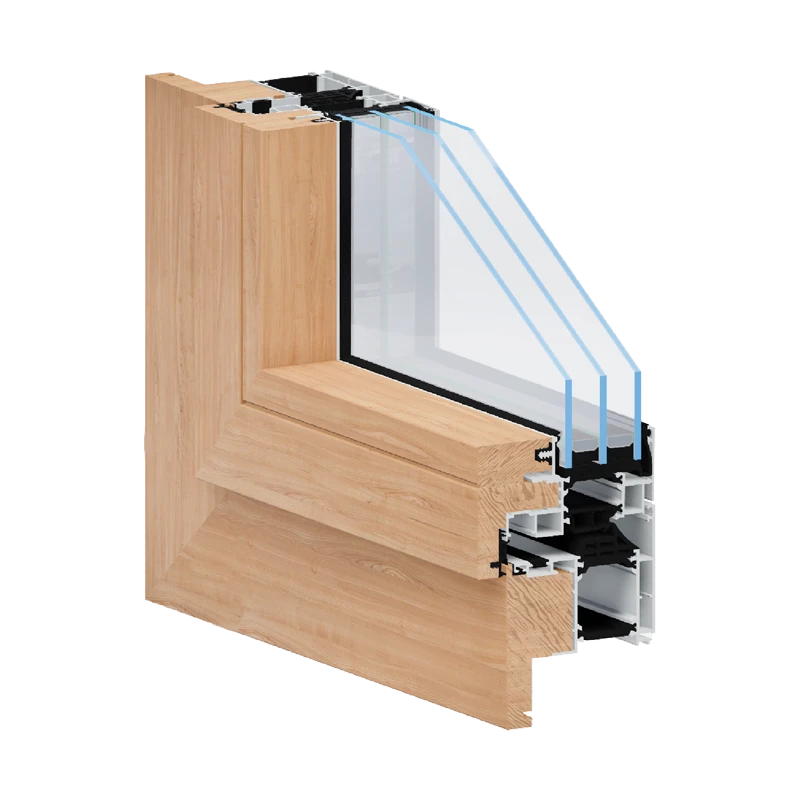
Wood-aluminium systems combine timber inside with aluminium outside, taking advantage of both materials: wood’s natural interior warmth and aluminium’s resistance to external influences.
Combining these materials is a long-established idea in the window industry, but modern systems have improved construction and manufacturing technology to meet contemporary architectural, energy-efficiency and durability requirements.
The aluminium cladding acts as an independent protective system shielding wood from rain, sun and temperature changes, significantly extending window service life.
Advantages of wood-aluminium windows
exceptional durability,
minimal exterior surface maintenance,
outstanding thermal and sound insulation,
a premium appearance,
high weather resistance,
structural stability,
a cost-effective long-term solution for larger buildings.
These systems are increasingly used in family homes, luxury properties and modern apartment buildings, particularly where investors seek longevity, energy efficiency and highly attractive facades.
External aluminium protection minimises maintenance, especially valuable in multi-storey buildings with difficult window access. Interior wood simultaneously improves the living environment.
Wood-aluminium systems are a lasting, technically reliable solution for modern apartment and individual housing construction.
Technical elements more important than material
Window selection often focuses solely on material, but actual quality depends on the complete system.
Pay particular attention to:
Glass
Glass forms most of a window’s area and is crucial for insulation. Triple low-emissivity glazing with argon is now standard in energy-efficient construction.
Hardware
Quality hardware ensures lasting, secure operation. Multipoint locking improves security and sealing.
Installation
Even the highest-quality window can lose functionality if incorrectly installed. Professional installation prevents thermal bridges and air and moisture leakage.
Installation matters as much as product quality.
Choosing windows for a new building is a technical decision and an investment affecting comfort, energy efficiency and property value over decades.
PVC is practical for most buildings, wood offers natural aesthetics, aluminium enables large glazed areas and modern architecture, while wood-aluminium provides maximum durability and premium quality.
Whatever the material, high-quality design, manufacture and professional installation matter most.
Modern windows and doors combine technology, materials and experience. Correctly chosen windows become a reliable long-term part of every building.