Poor windows mean higher bills, damp and frequent servicing. Learn about the hidden costs of inferior windows and doors and why quality pays.
When building or renovating, window and door selection often comes down to comparing prices per square metre. Yet a window’s initial price rarely reflects its true value. The difference between quality and poor systems appears not only in profiles and hardware but in heating bills, maintenance costs, living comfort and ultimately property market value.
Below, we reveal the hidden costs of poor windows and why quality is always better value over time.
1. Energy losses – the most expensive “invisible” problem
The biggest cost of poor windows and doors lies in years of use, rather than purchase.
Where do losses occur?
-
Poor sealing and gaskets
-
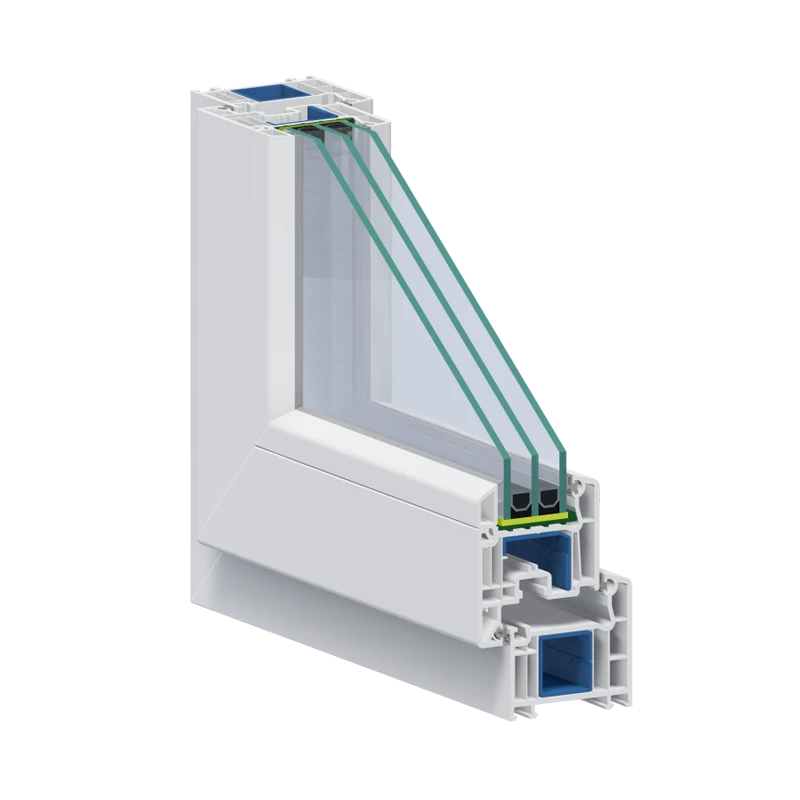
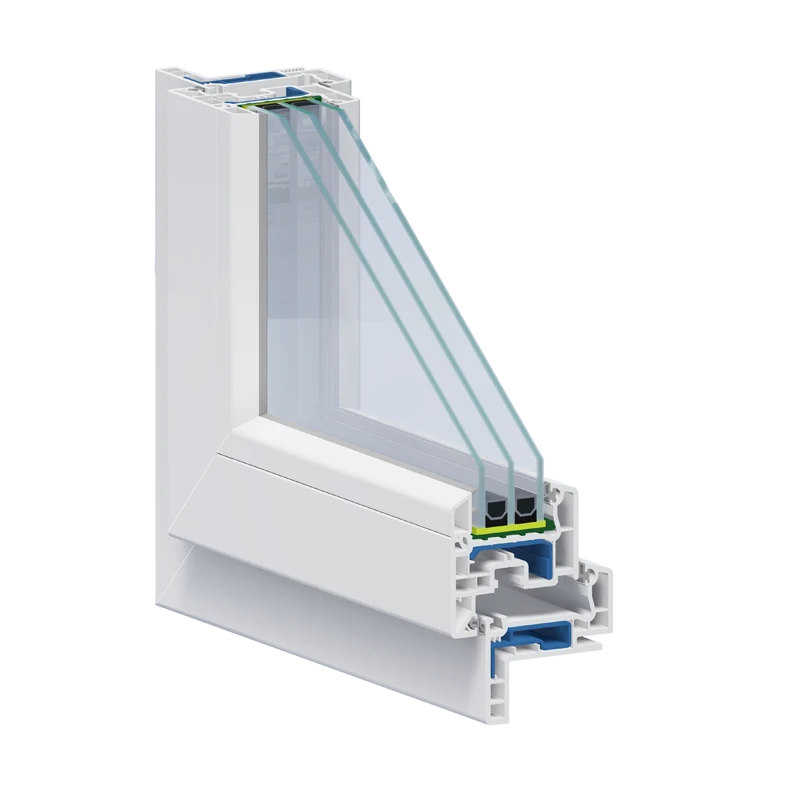
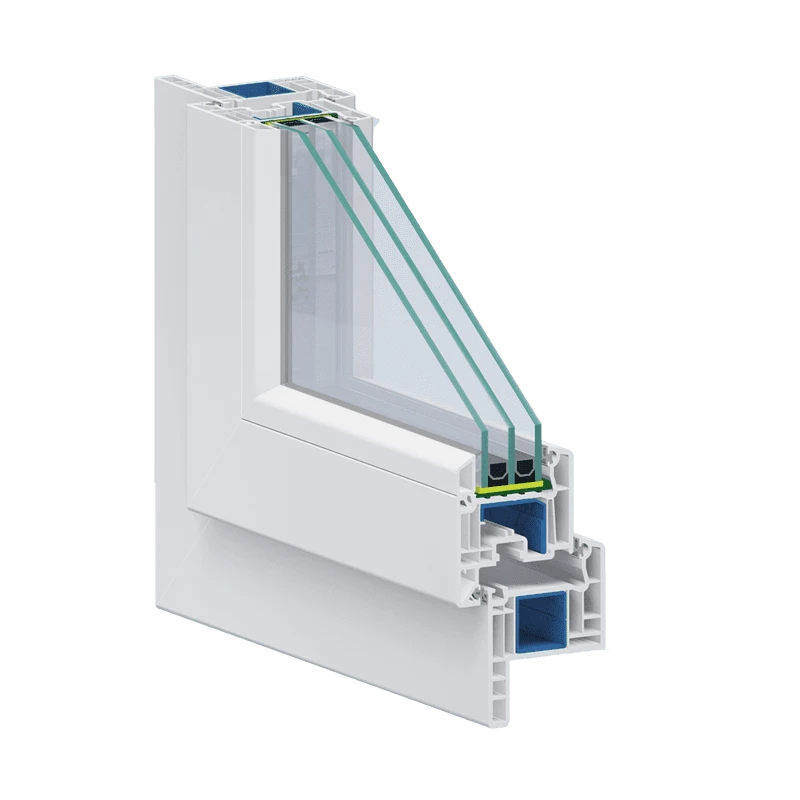
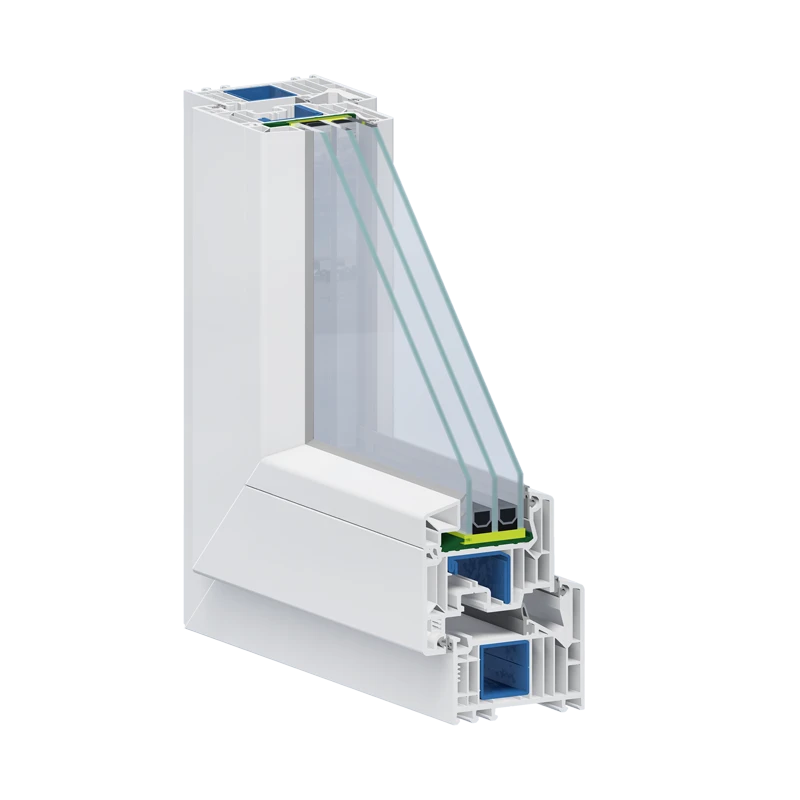
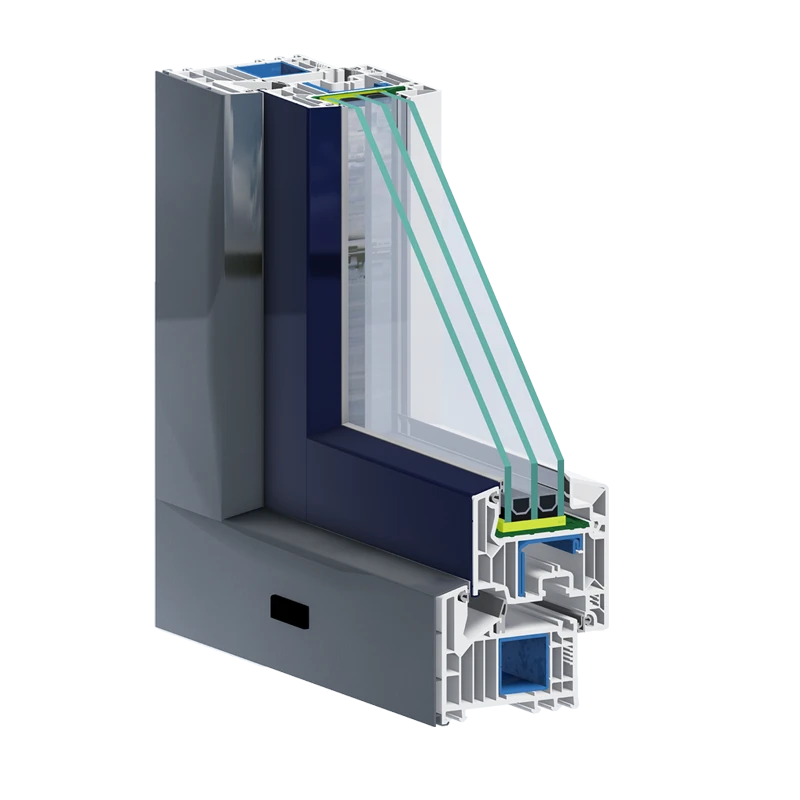
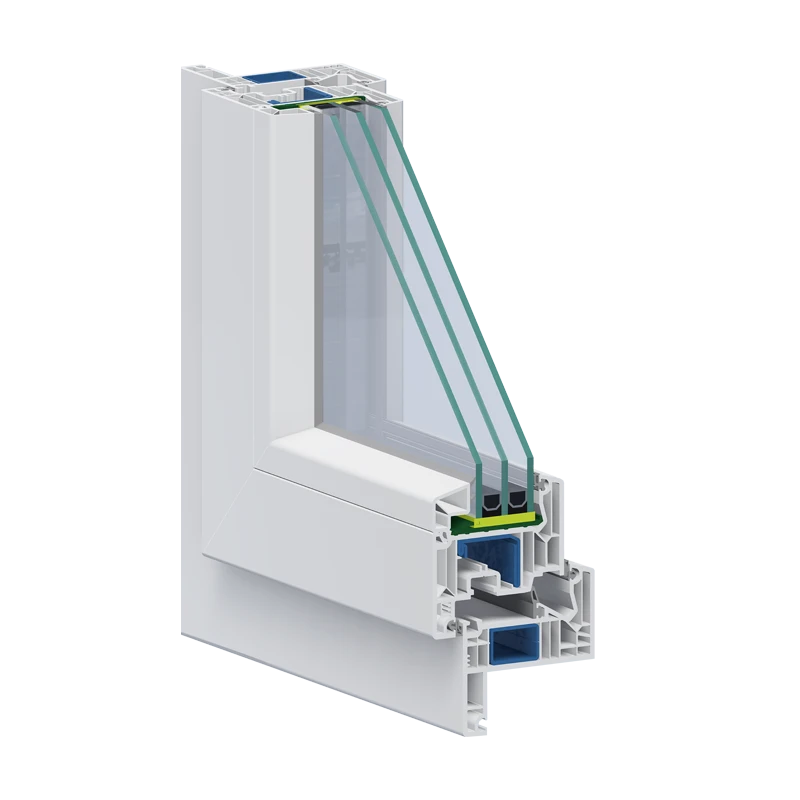
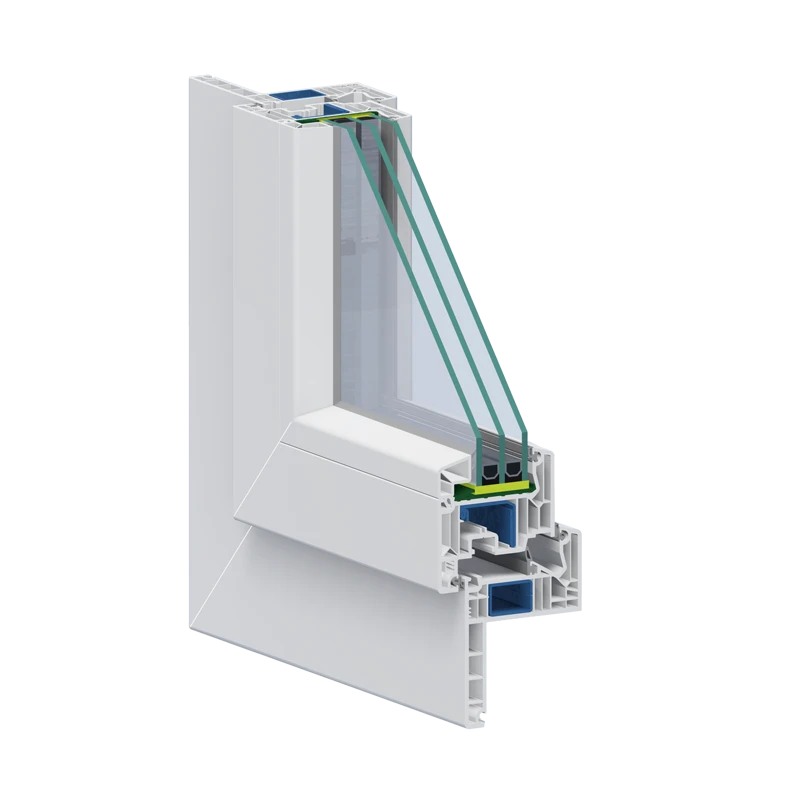
Inferior profiles or insufficient chambers
-
Double glazing without adequate thermal protection
-
Poor installation and thermal bridges
The results are:
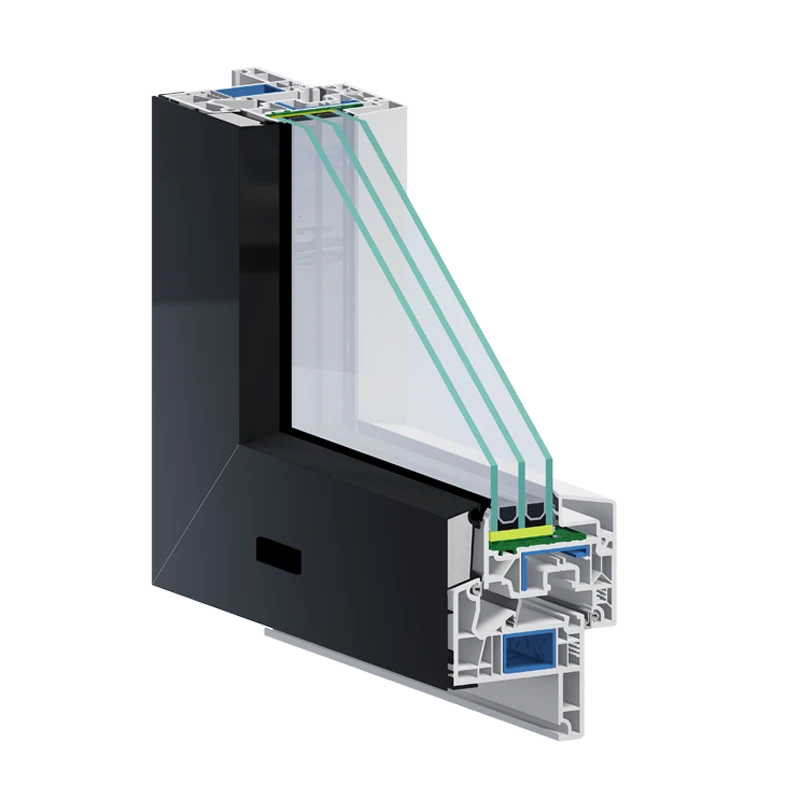
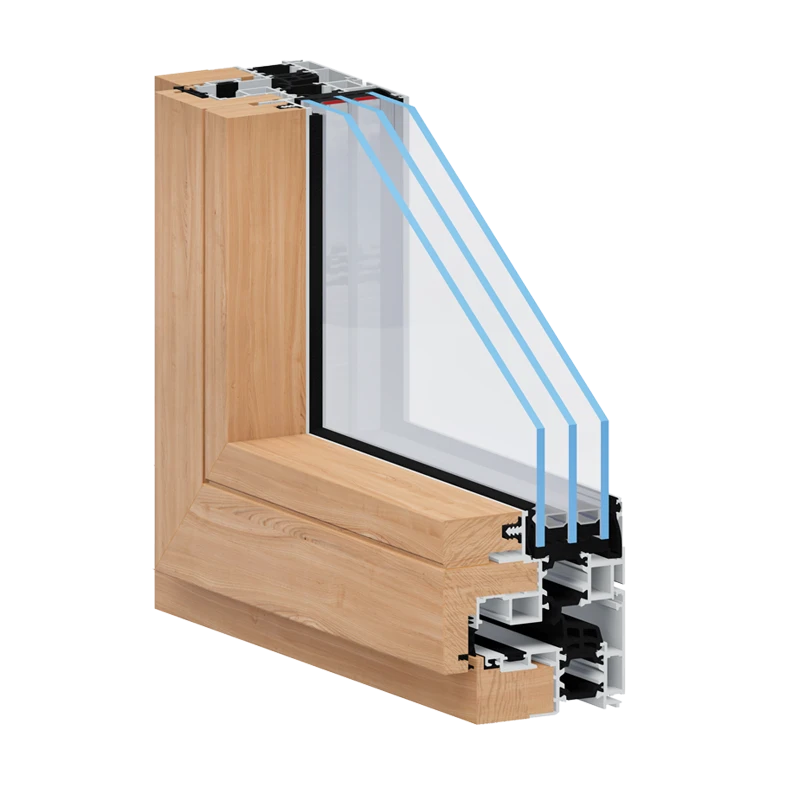
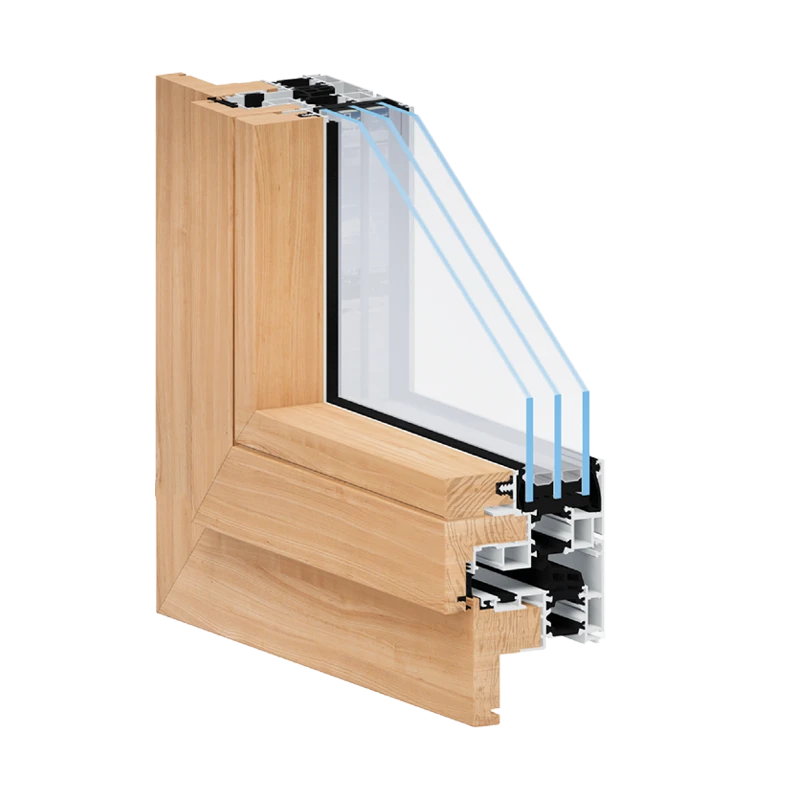
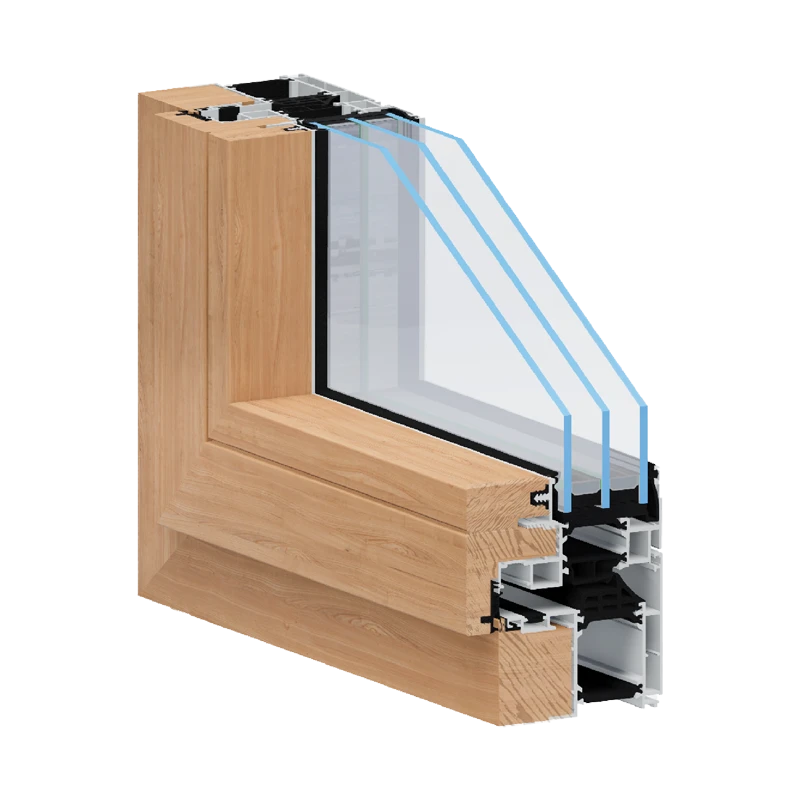
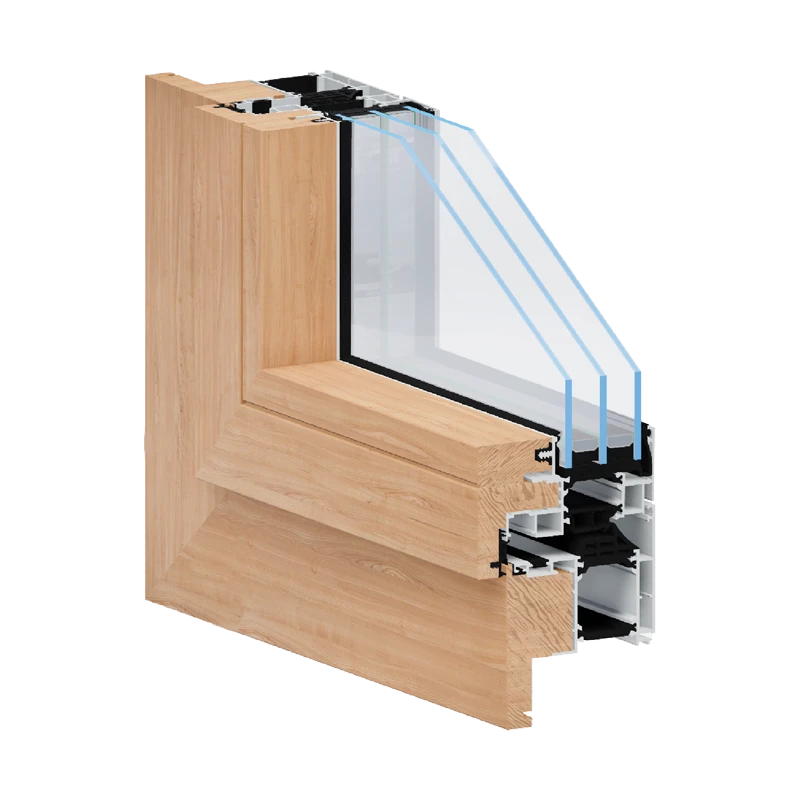
Quality PVC, aluminium or wood-aluminium systems with modern triple glazing and correct installation significantly reduce energy losses. Over time, energy savings often repay the price difference.
2. Condensation, damp and indoor microclimate
Poor windows often cause condensation on glass and joints, resulting in:
The problem concerns the entire system, not just glass: seal and joint quality and profile stability are crucial.
Properly designed and tested systems greatly reduce these risks and maintain a stable, healthy indoor microclimate.
3. Servicing, adjustments and complaints – a cost that grows over time
Cheaper solutions often experience:
Every intervention adds financial and organisational costs. In larger apartment or commercial buildings, this becomes a serious operational problem.
Quality windows and doors mean:
4. Deterioration of the building’s appearance
A building’s appearance directly affects its value.
Inferior systems may suffer:
-
PVC yellowing and discolouration
-
Aluminium oxidation
-
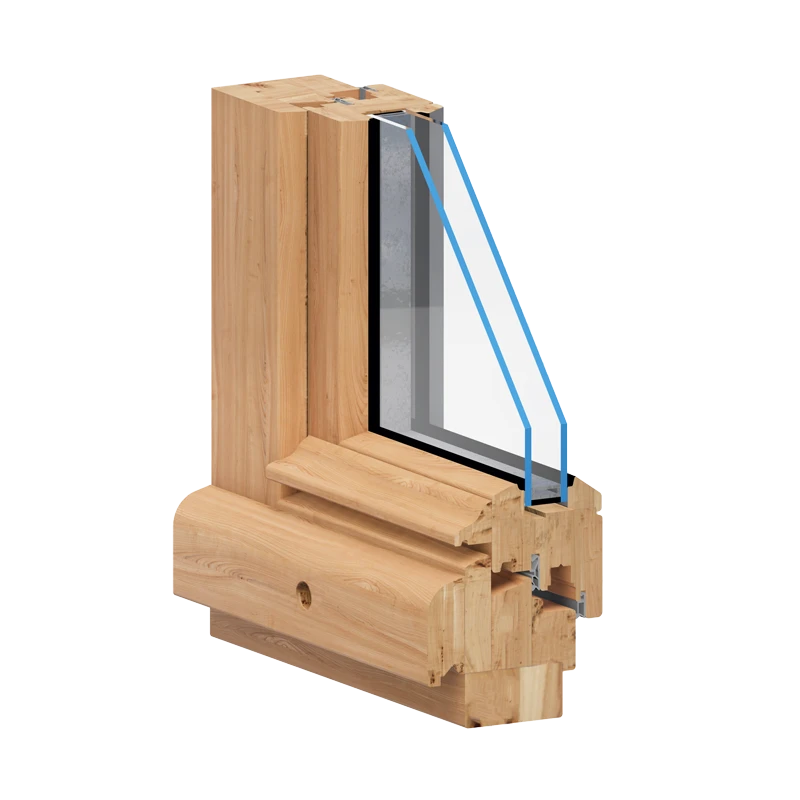
Deteriorating wooden surfaces without adequate protection
-
Loss of surface lustre and material structure
Especially in premium properties, deterioration after a few years can undermine the entire investment’s impression.
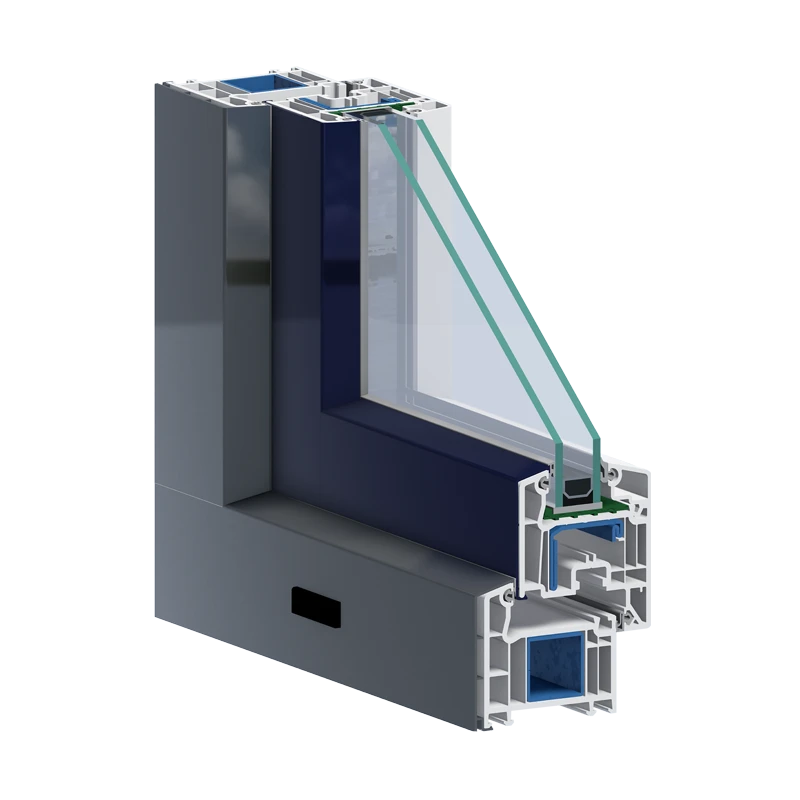
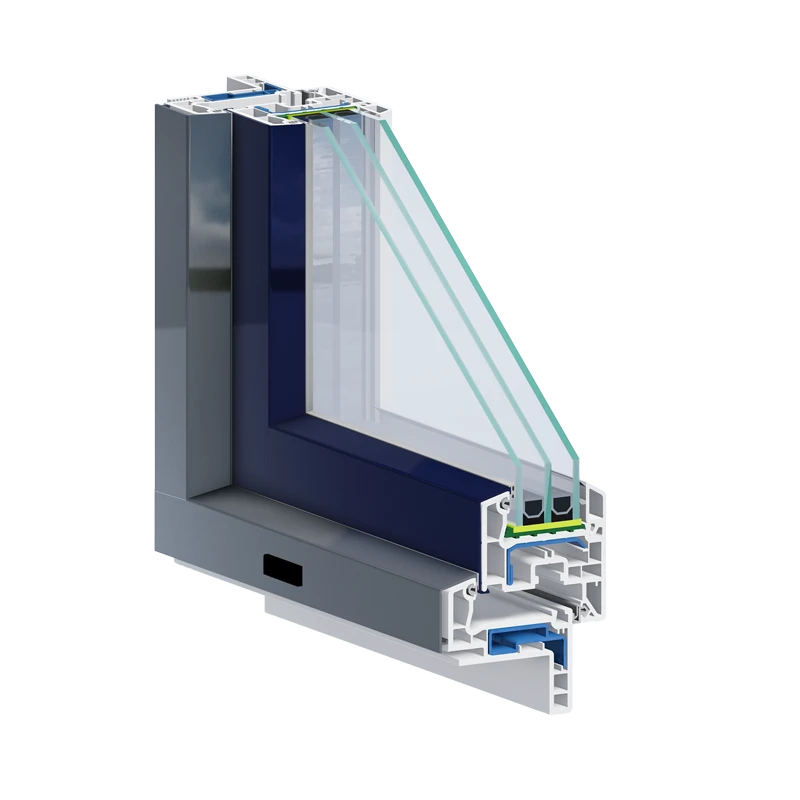
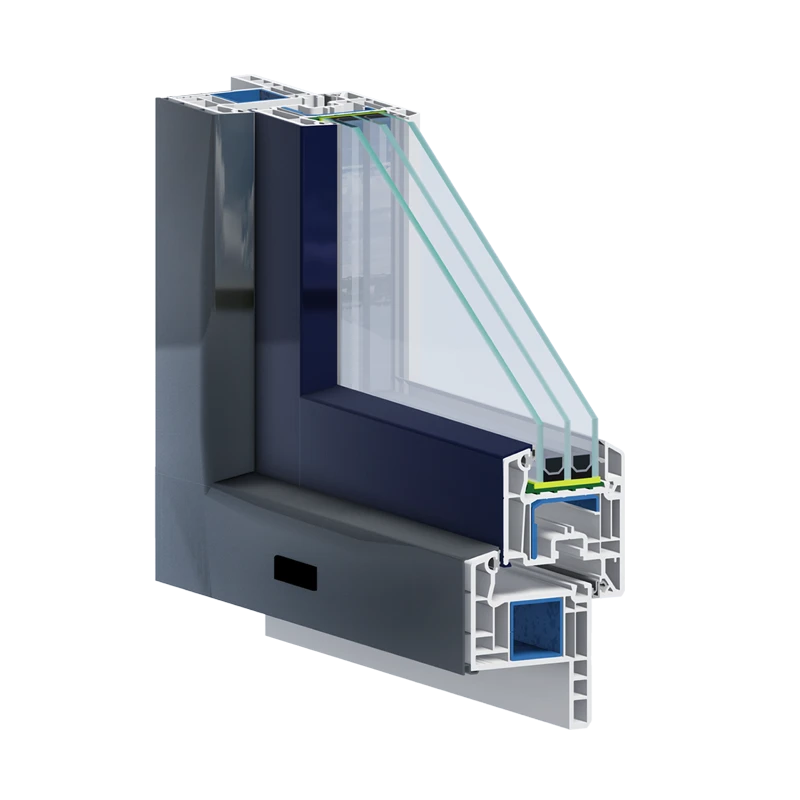
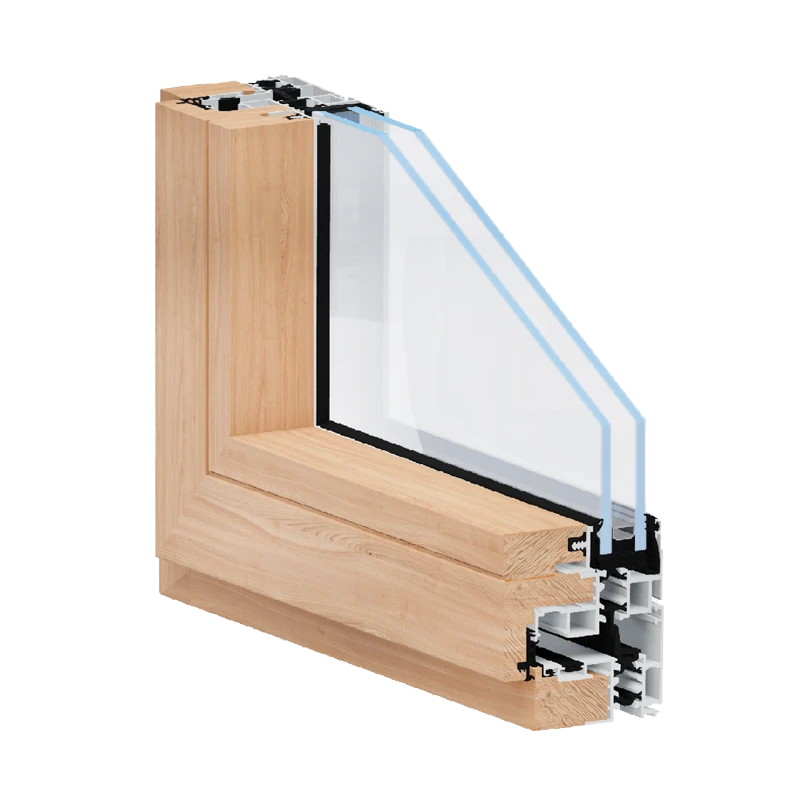
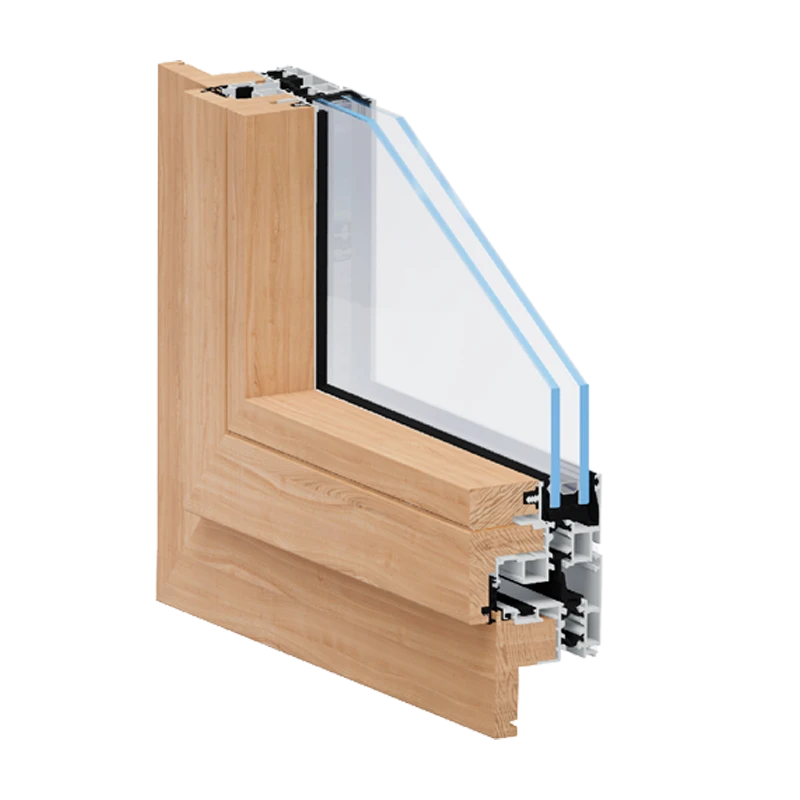
Modern wood-aluminium systems combine wood’s natural interior warmth with aluminium’s exterior resilience, extending service life and maintaining facade aesthetics.
5. Property value and investment potential
Quality windows and doors are part of an investment strategy as well as technical elements.
Buyers and investors now consider:
-
Energy efficiency
-
Sound insulation
-
Long-term reliability
-
Installation quality
Buildings with quality certified systems achieve higher market values and sell or rent more easily.
Good windows and doors therefore improve a property’s marketability.
6. How can you identify a quality window?
Before deciding, ask:
-
Is the system designed and adapted to the market, or a generic solution?
-
Has it undergone laboratory testing (A-E-V, sound insulation, load capacity)?
-
Who stands behind it – a trader or manufacturer?
-
What completed reference projects does it have?
A serious manufacturer develops its own systems, adapts them to regional climates and tests them in accredited laboratories. This distinguishes a product from a solution.
The lowest price is often the most expensive option
When buying windows and doors, you also buy:
The difference between average and outstanding systems is measured in trouble-free years as well as price per square metre.
Consider the wider picture when choosing windows: real quality is an investment.