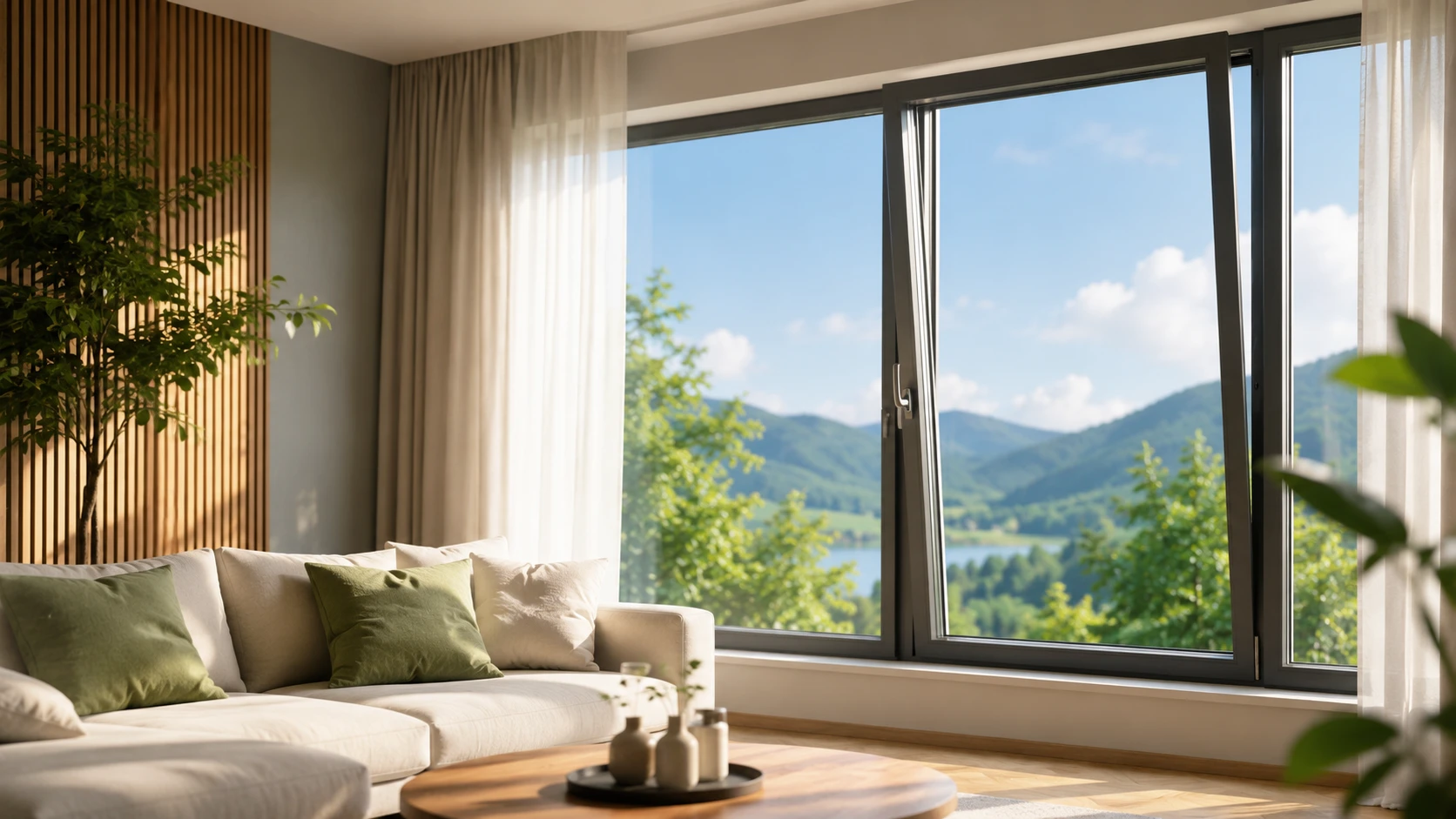
Combining proper ventilation, protection from direct sunlight and quality windows and doors can significantly improve comfort at home during summer. In addition to a more pleasant temperature, this approach can help reduce energy consumption and deliver long-term savings.
When external roller shutters are mentioned, most people first think of protection from sunlight and creating a more pleasant indoor atmosphere. However, modern external roller shutters offer much more. They are an important part of any home or commercial building, contributing to energy efficiency, security, privacy and long-term protection for windows and doors.
Effective protection from summer heat
During the summer months, sunlight can significantly increase the temperature inside a building. External roller shutters stop much of the heat before it reaches the glass surfaces, reducing the warming of rooms.
The result is a more comfortable temperature at home and less need for air conditioning, directly reducing electricity consumption.
Additional thermal insulation in winter
Although most often associated with summer, external roller shutters also play an important role in winter. Lowered shutters create an additional insulating layer between the outside and the window, reducing heat loss.
Combining quality PVC or ALU windows and doors with external roller shutters can help improve a building's energy efficiency and lower heating costs.
Greater privacy in everyday life
Whether you live in an urban neighbourhood, an apartment building or a house on a busy street, privacy is an important factor in comfortable living.
External roller shutters make it easy to control the view into the building, providing a sense of security and privacy without the need for additional curtains or blinds.
An additional level of security
Although they do not replace security systems, quality external roller shutters provide an additional obstacle to potential burglars. Their construction makes access to windows and doors more difficult and can deter attempts at unauthorised entry.
They are especially useful for buildings that are occasionally left unattended, holiday homes or business premises.
Protection from the weather
Rain, wind, hail and intense UV radiation can leave their mark on windows, doors and glass surfaces over the years. External roller shutters provide additional protection for windows, extending their service life and reducing maintenance needs.
During storms, lowered shutters can soften direct impacts from small hailstones and reduce the risk of glass damage.During the summer months, high temperatures can significantly increase the need for air conditioning, directly affecting electricity consumption. However, with a few simple habits and quality windows and doors, it is possible to maintain a comfortable temperature at home and reduce the need for constant cooling.
Ventilate at the right time
The best times to ventilate are early morning and late evening, when the outside temperature is lower than the indoor temperature. Opening windows during the hottest part of the day lets warm air into the home, further heating rooms and increasing the demand on air conditioning.
Close windows during peak heat
When the sun is at its strongest, it is advisable to close the windows and lower roller shutters or blinds. This significantly reduces the amount of solar energy entering the space, keeping the indoor temperature more comfortable.
Quality windows and doors preserve a comfortable temperature
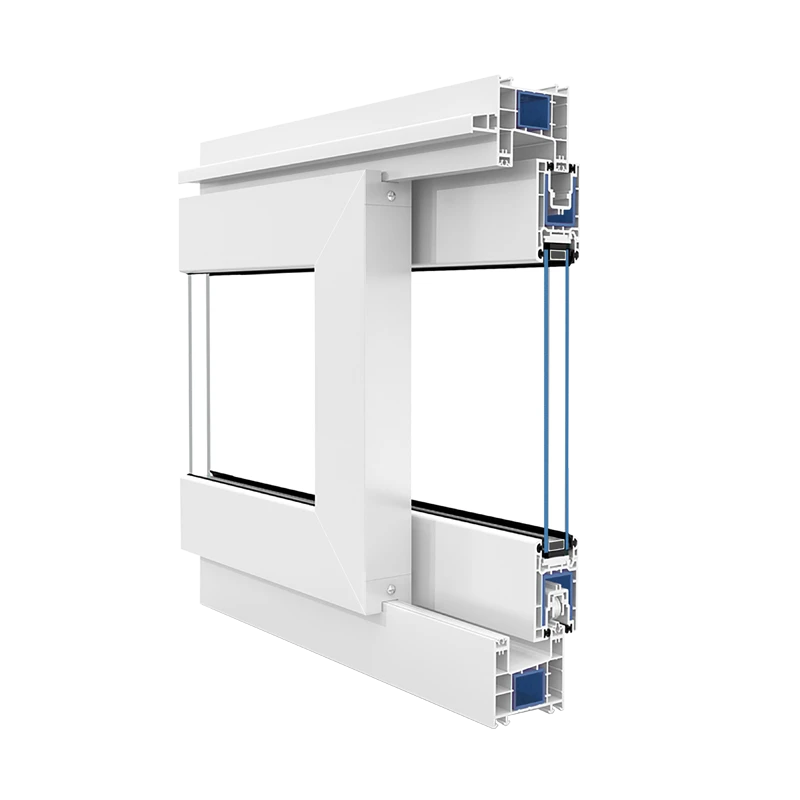
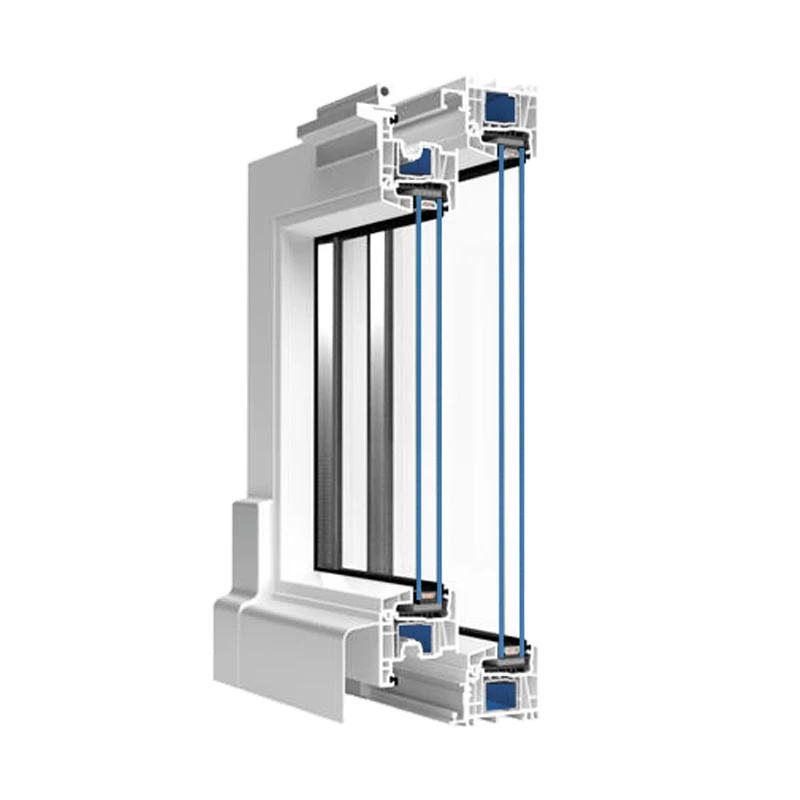
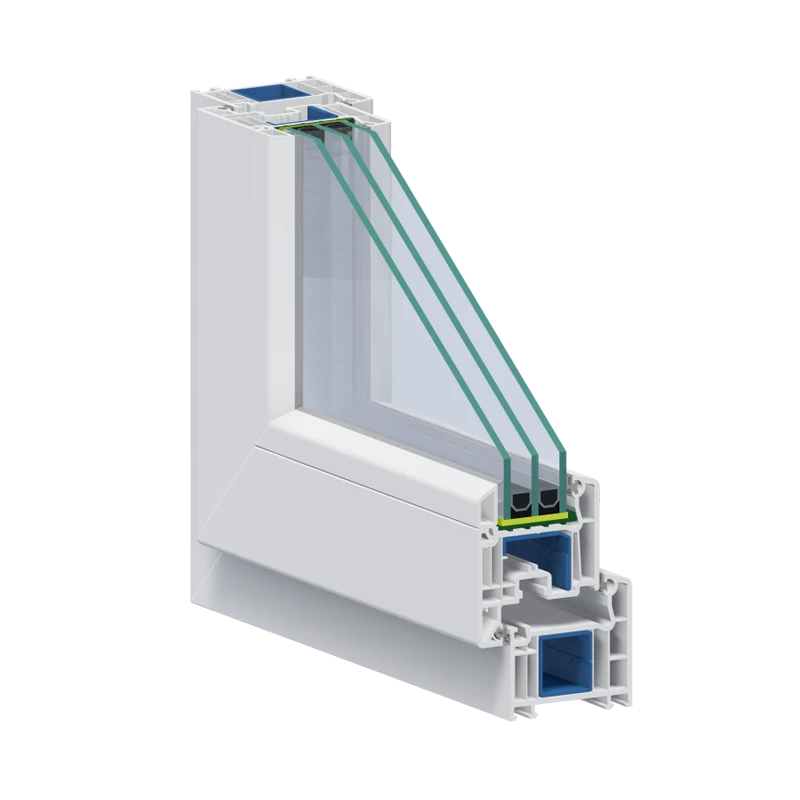
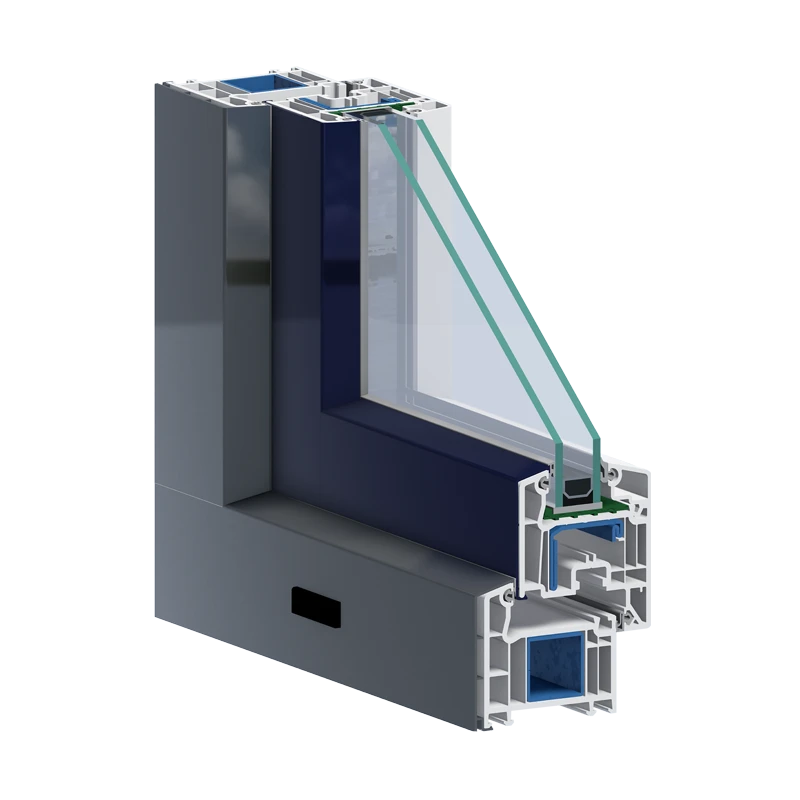
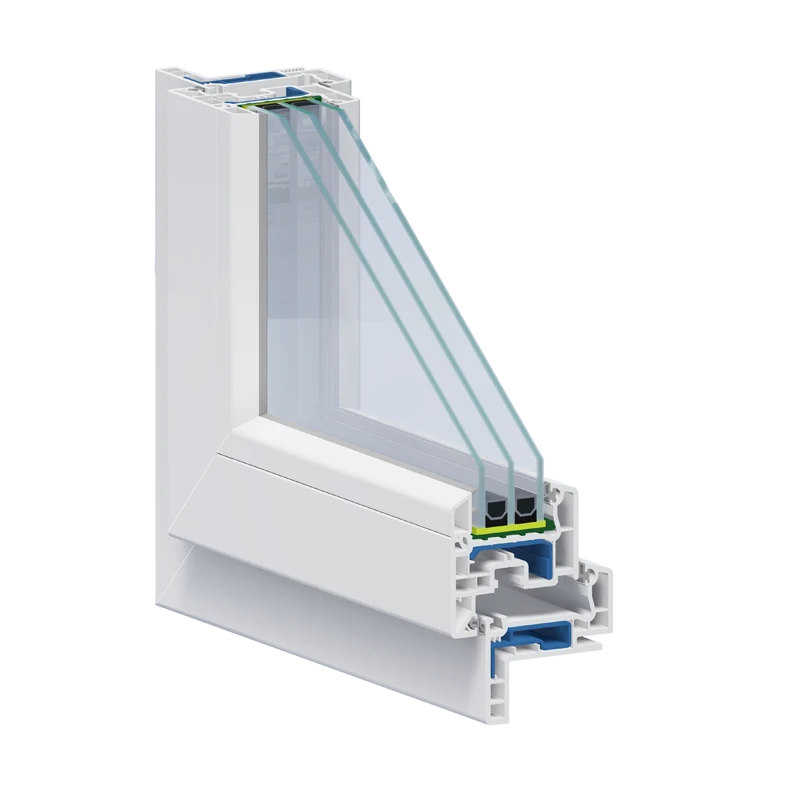
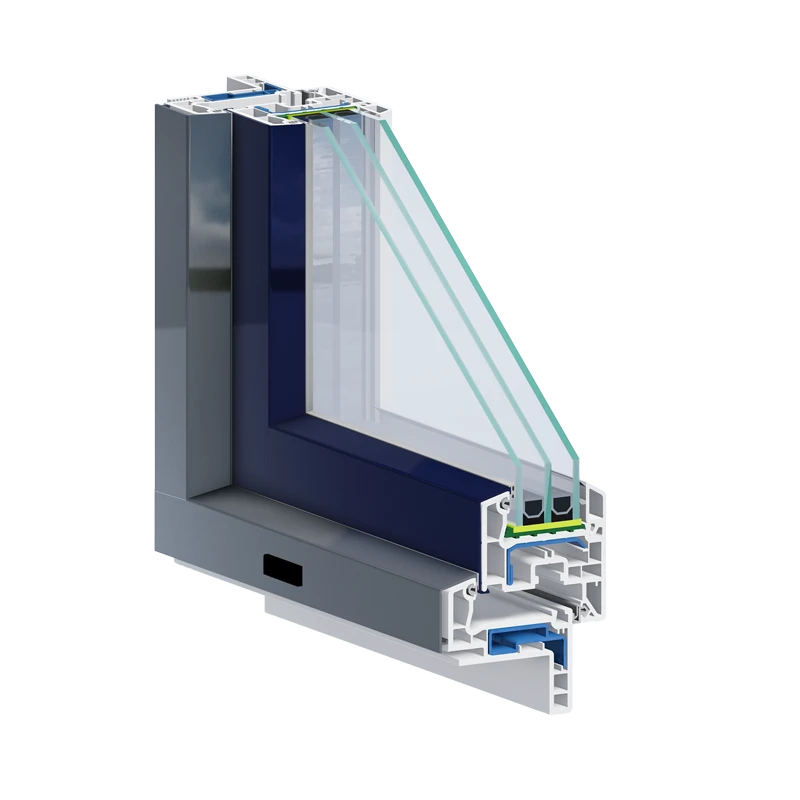
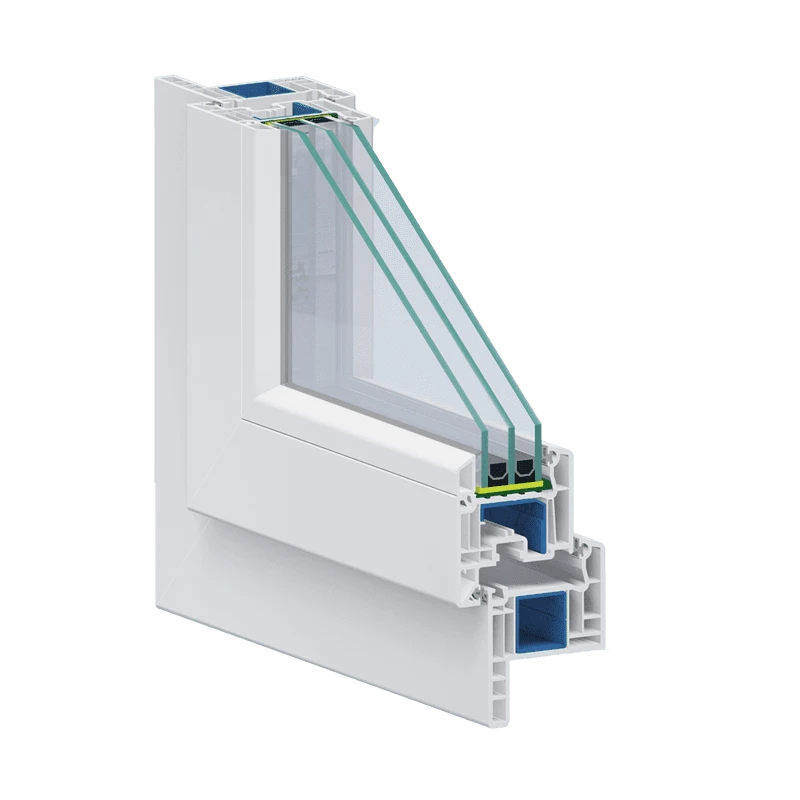
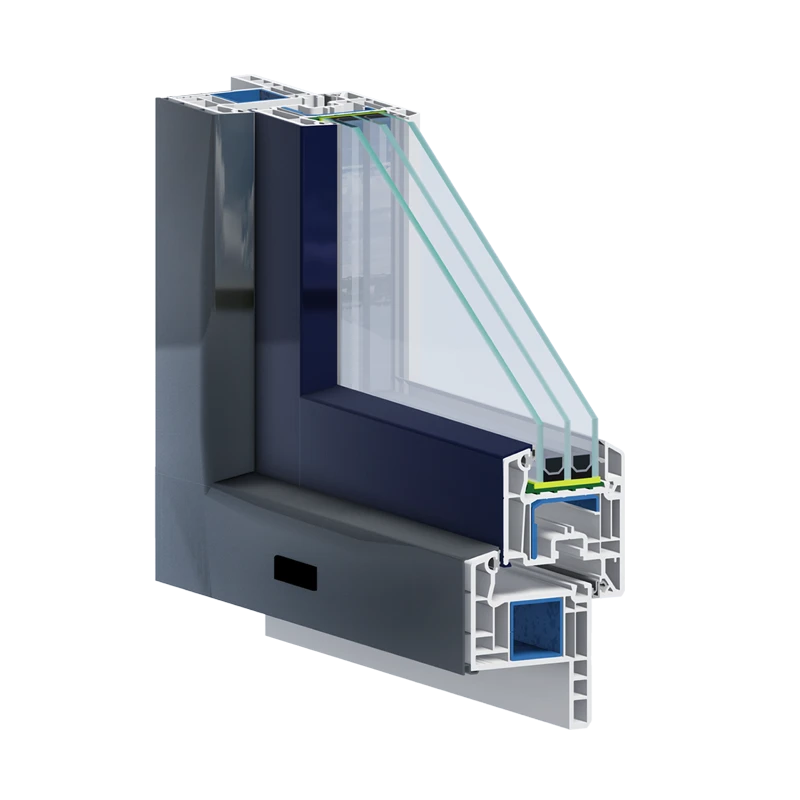
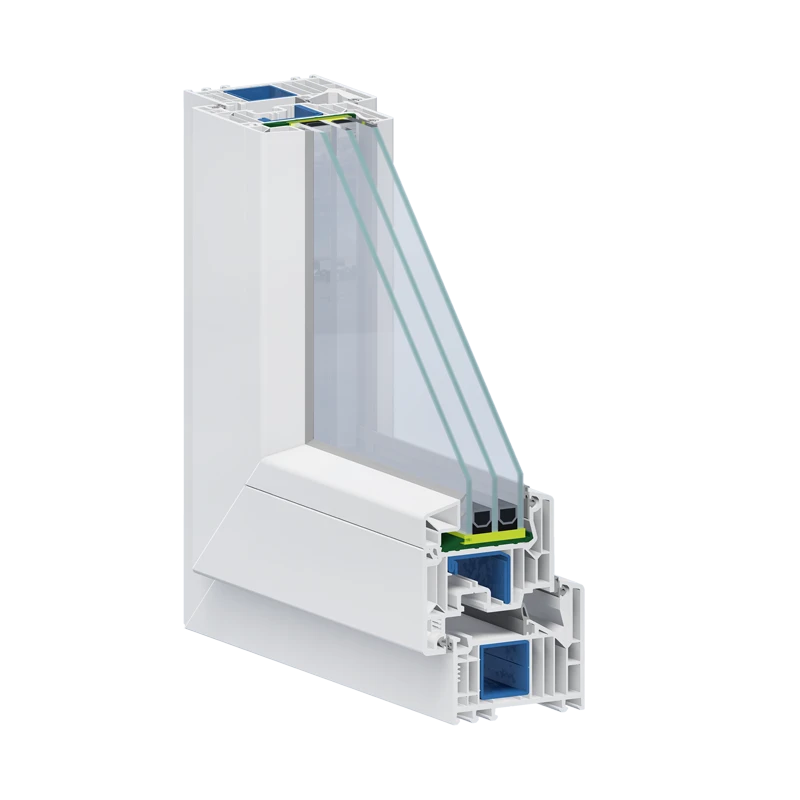
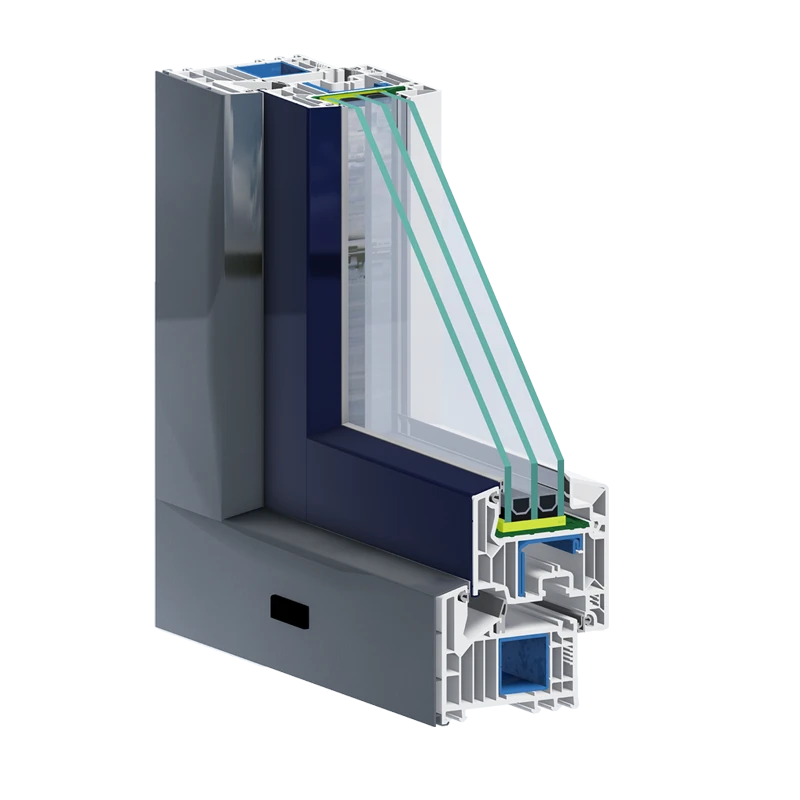
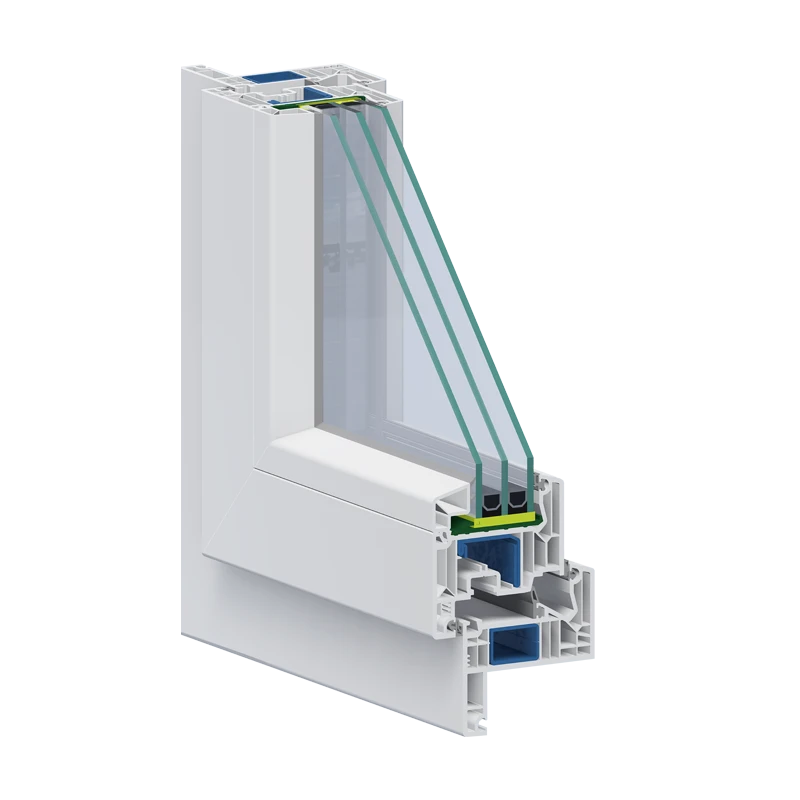
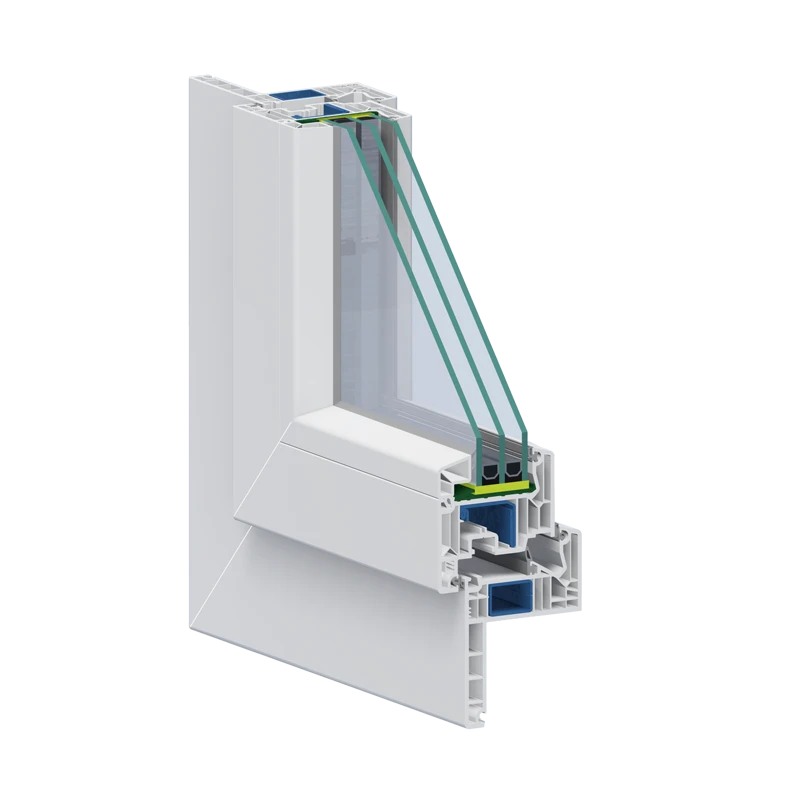
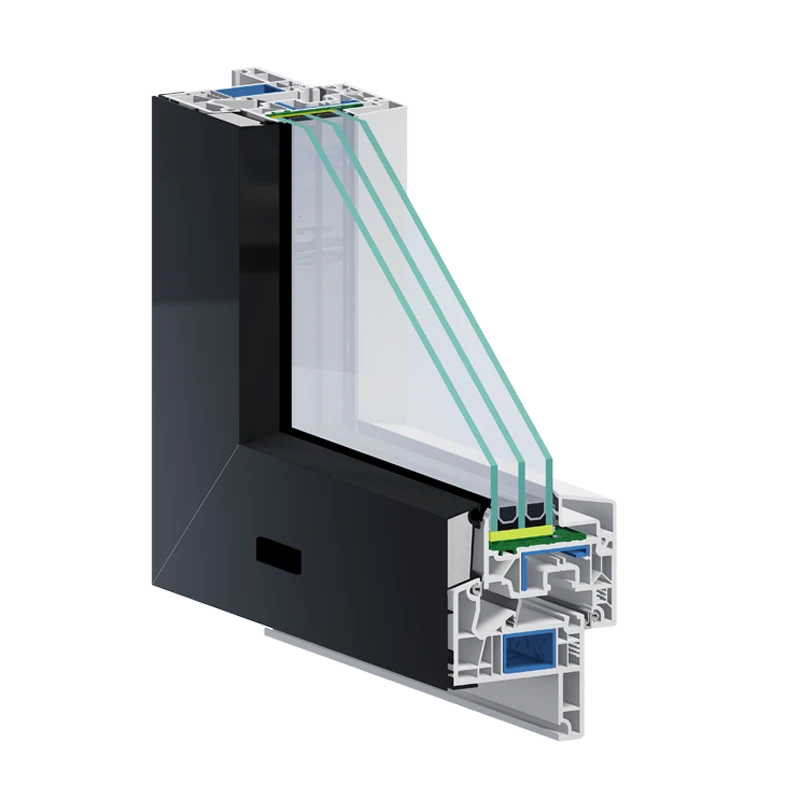
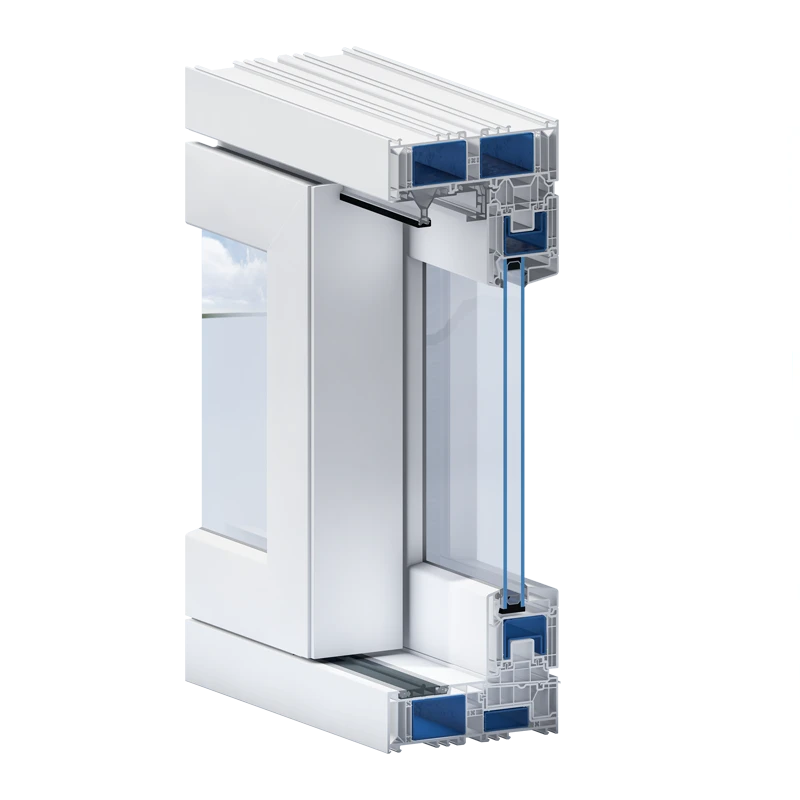
Windows are not only important in winter. Modern PVC, ALU, wooden and wood-ALU windows and doors with quality insulating glazing help reduce heat transfer from outside to inside. Well-sealed windows and doors prevent warm air from entering and contribute to a more stable temperature throughout the day.
Quality windows and doors can therefore help reduce cooling energy consumption, especially in buildings exposed to direct sunlight.
Make use of natural shading
If possible, provide additional protection for windows with external roller shutters, awnings or pergolas. Plants on balconies and terraces can also help create natural shade, particularly on the south and west sides of the building.