SAPLAST · Live
Windows in autumn: 7 signs not to ignore
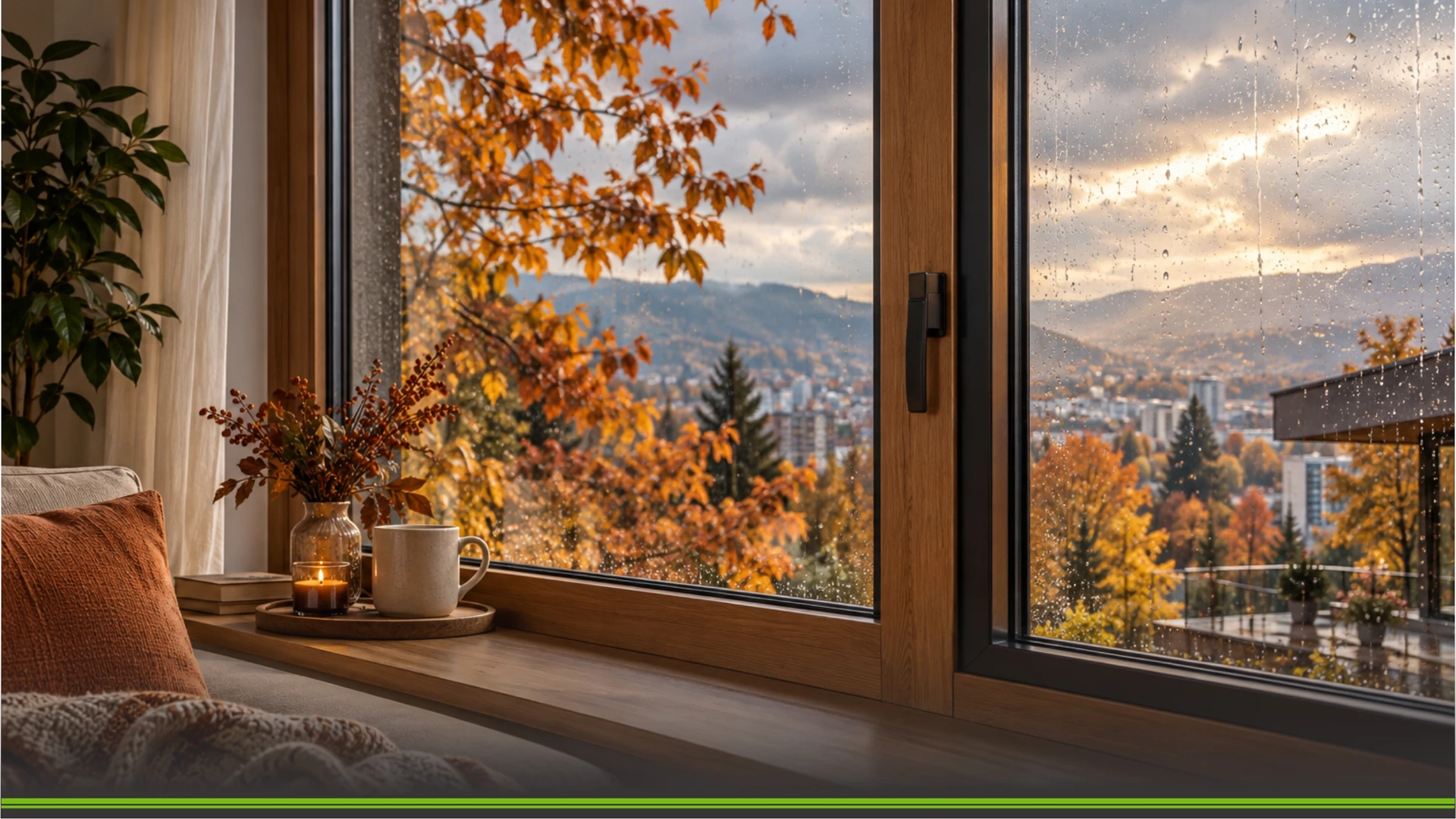
Autumn changes how we experience a space. Days become shorter, the sun sits lower on the horizon and natural daylight takes on warmer, softer tones. In these conditions, windows become more than functional elements that provide ventilation and a view outside. They become one of the key elements determining the amount of light, visual character and atmosphere of the interior.
Window quality, glass selection, opening dimensions, materials and the way the windows and doors are integrated into the architecture together determine how we experience a space throughout the year.
Natural light transforms a space
During autumn, natural light enters a space at a different angle than in summer. The sun is lower, shadows are longer and the intensity of direct light is different.
The size and position of window openings therefore play a significant role in the architectural design of the interior.
Large glass surfaces can allow daylight to reach deeper into a space, open up a visual connection to the garden, terrace or surrounding landscape, and make the interior appear more spacious during the day.
However, window size alone is not enough. A quality result requires coordination between opening dimensions, glazing characteristics, building orientation, system construction and thermal and sound insulation requirements.
A window should therefore not be viewed as an isolated element. It is part of the building's architectural concept.
When the view becomes part of the interior
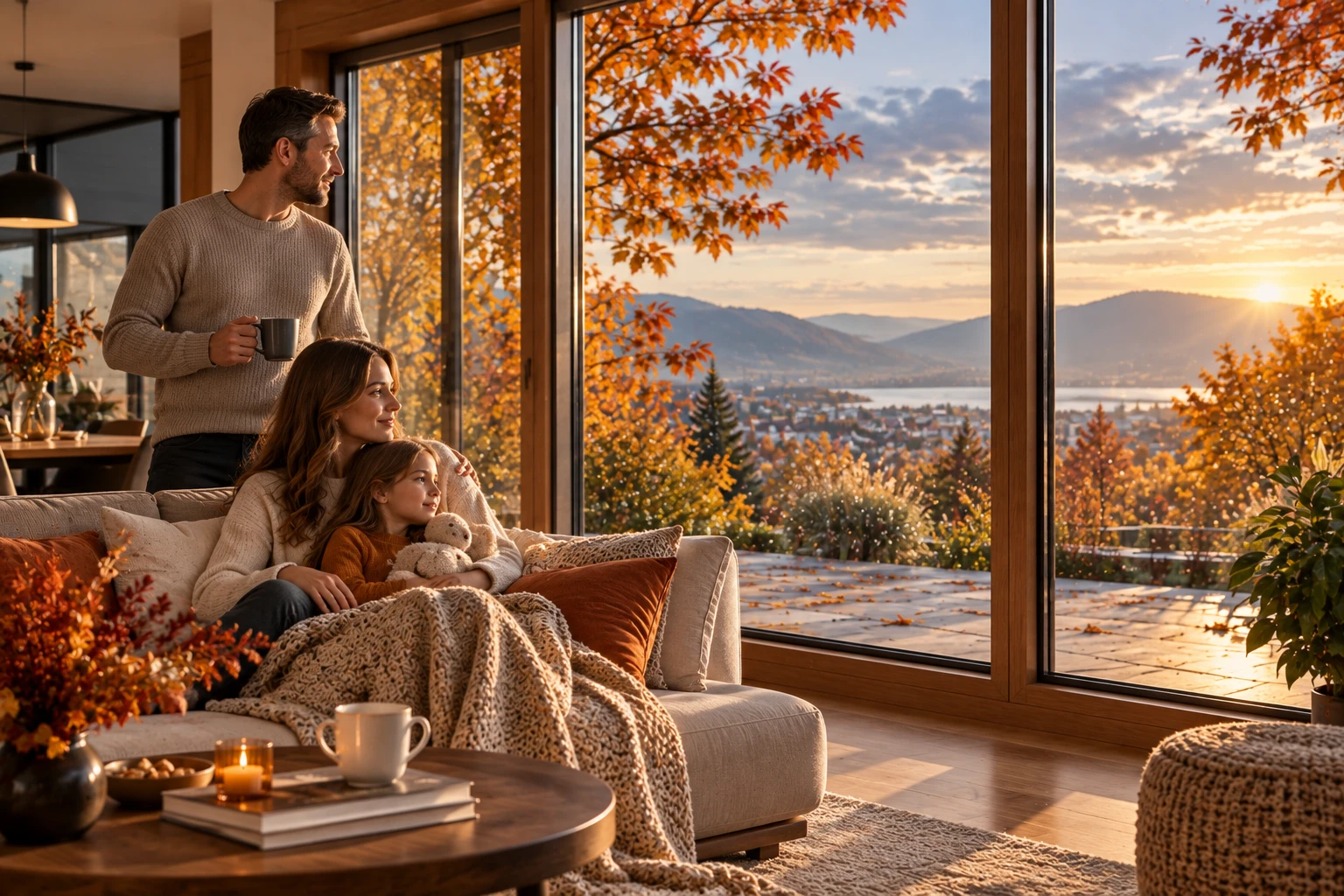
Autumn particularly highlights the connection between indoor and outdoor spaces.
Changing tree colours, rain on the glass, fog, the natural landscape and shorter days create an atmosphere that large glass surfaces bring into the interior.
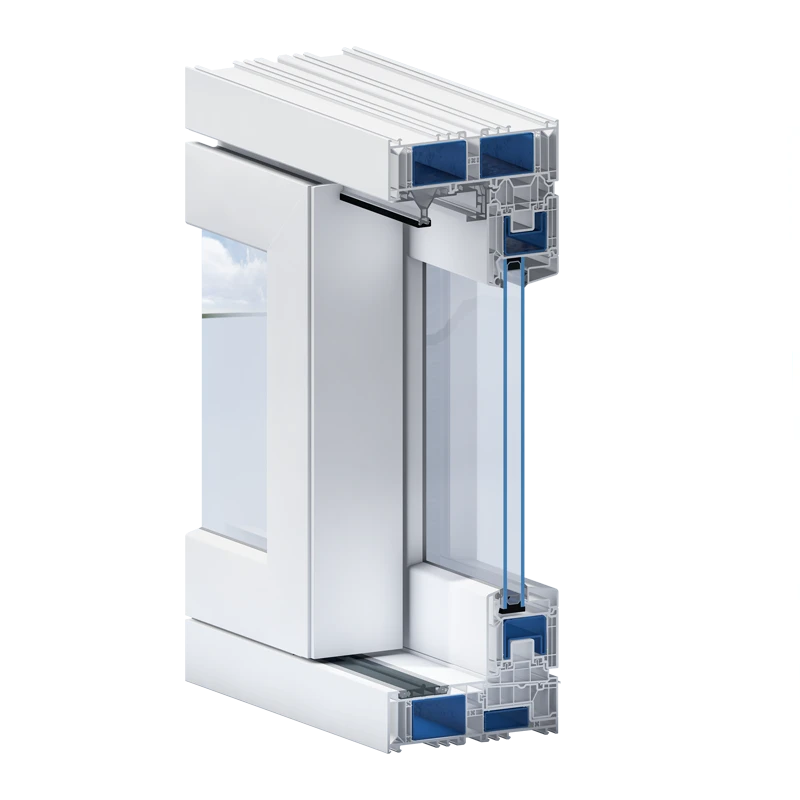
This is precisely why contemporary architecture increasingly incorporates large windows, sliding systems and wide openings that make the view outside an integral part of the space.
Such a solution requires more than attractive design. Large glass surfaces must have appropriate structural stability, quality insulating glazing and correctly designed joints between the windows and doors, wall and facade.
Architecture then visually connects the home and nature instead of drawing a sharp boundary between them.
Glass is more than a transparent surface
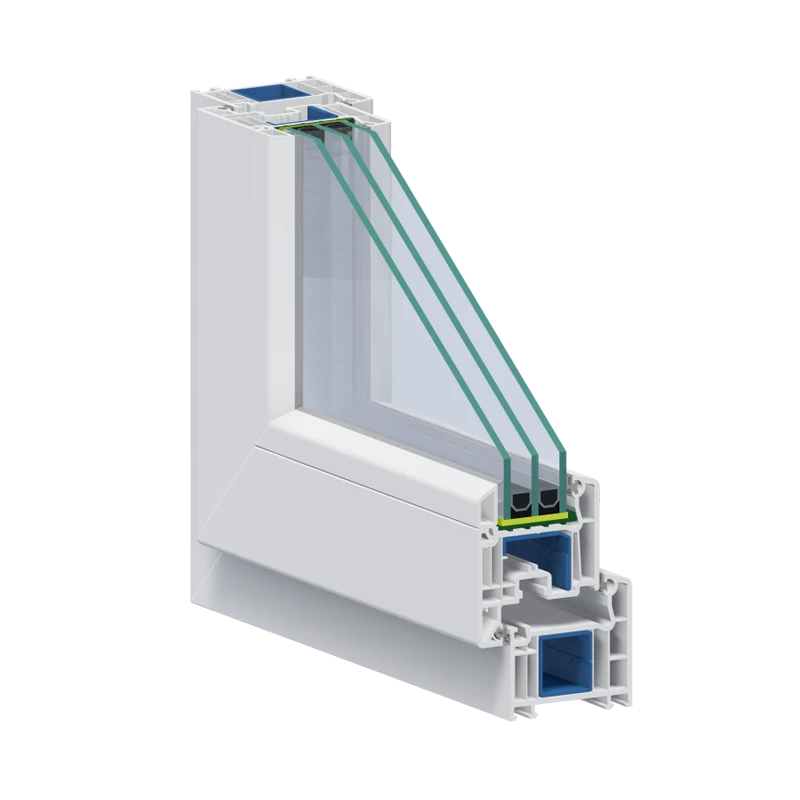
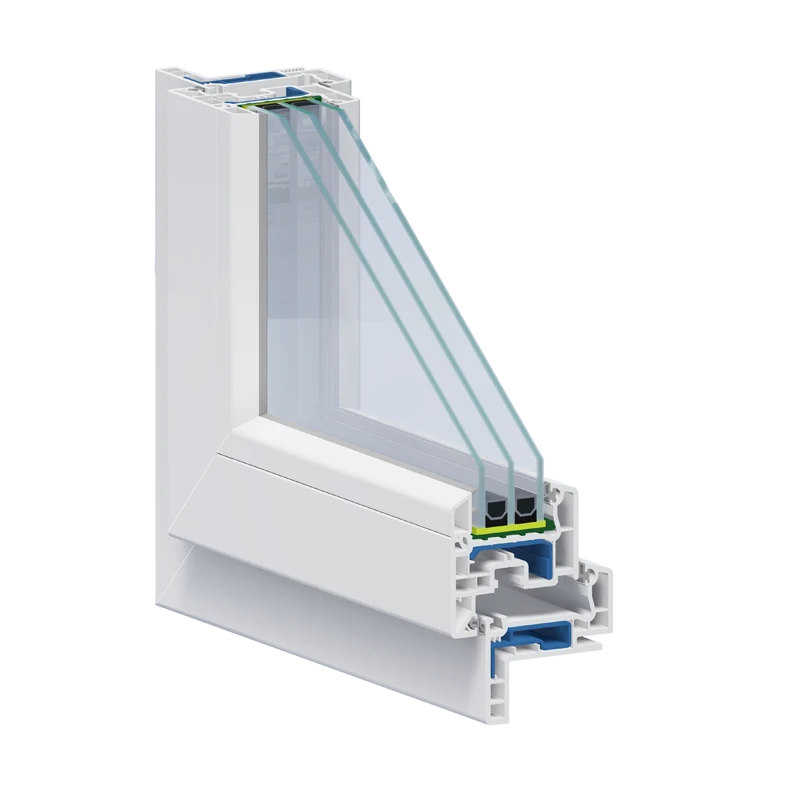
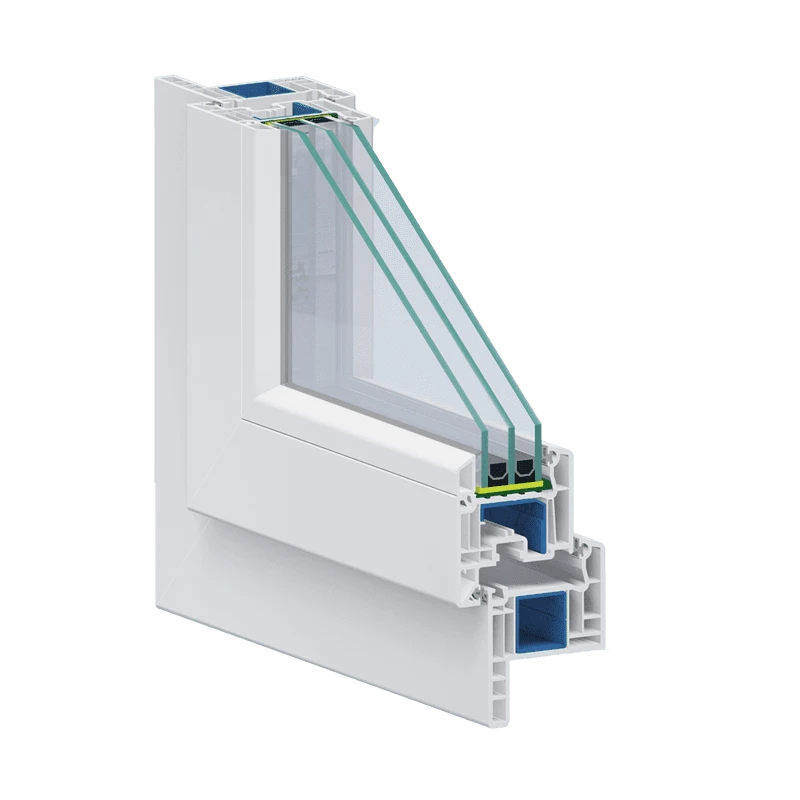
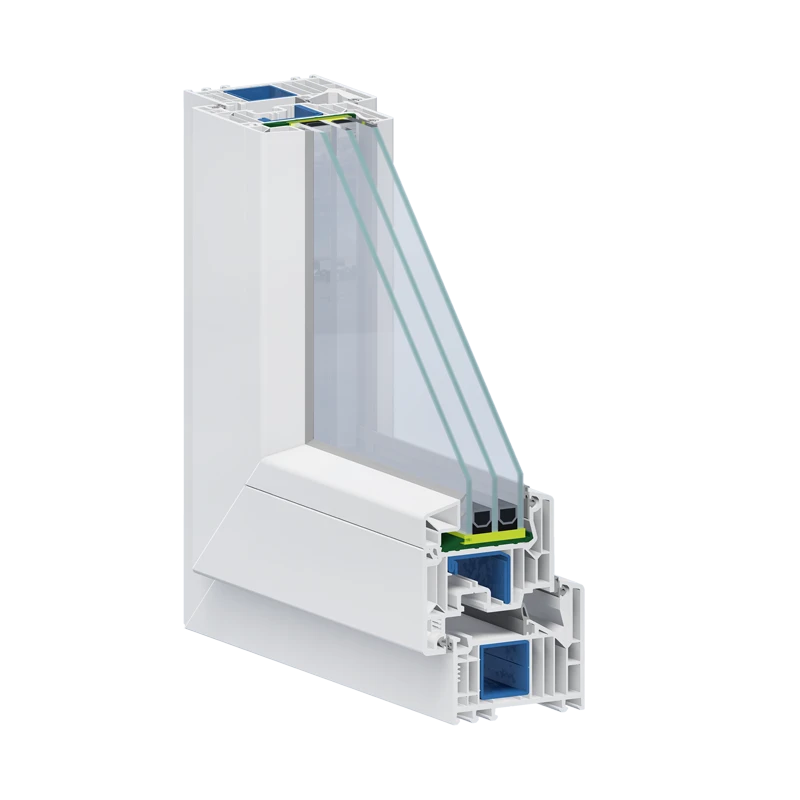
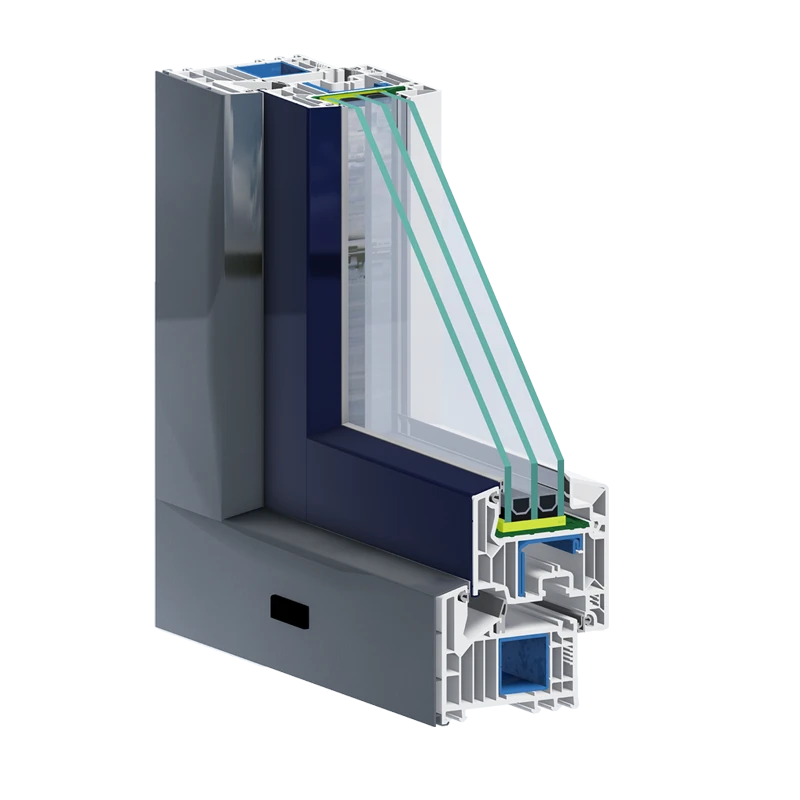
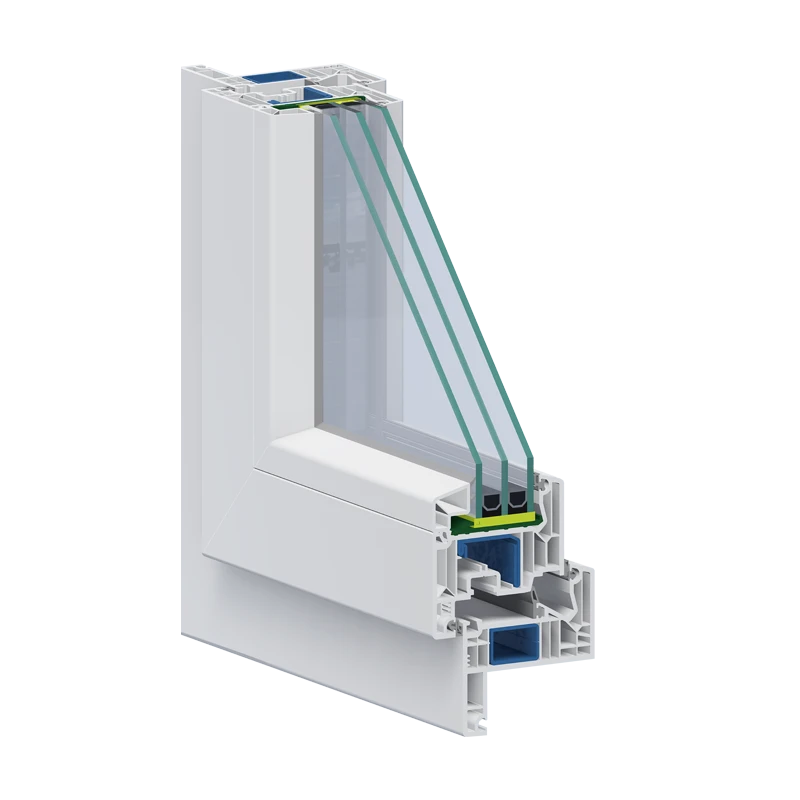
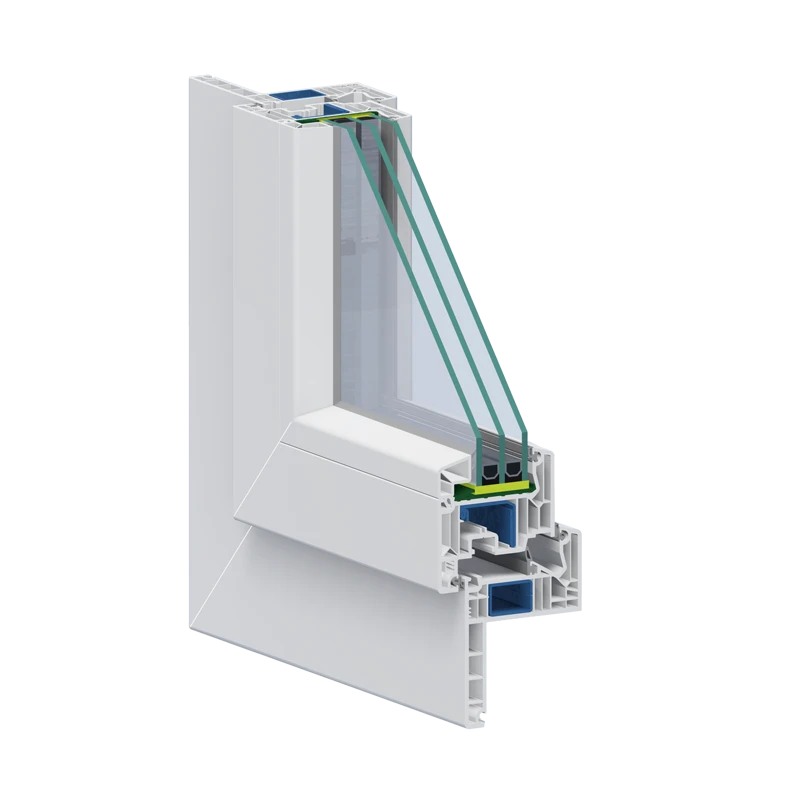
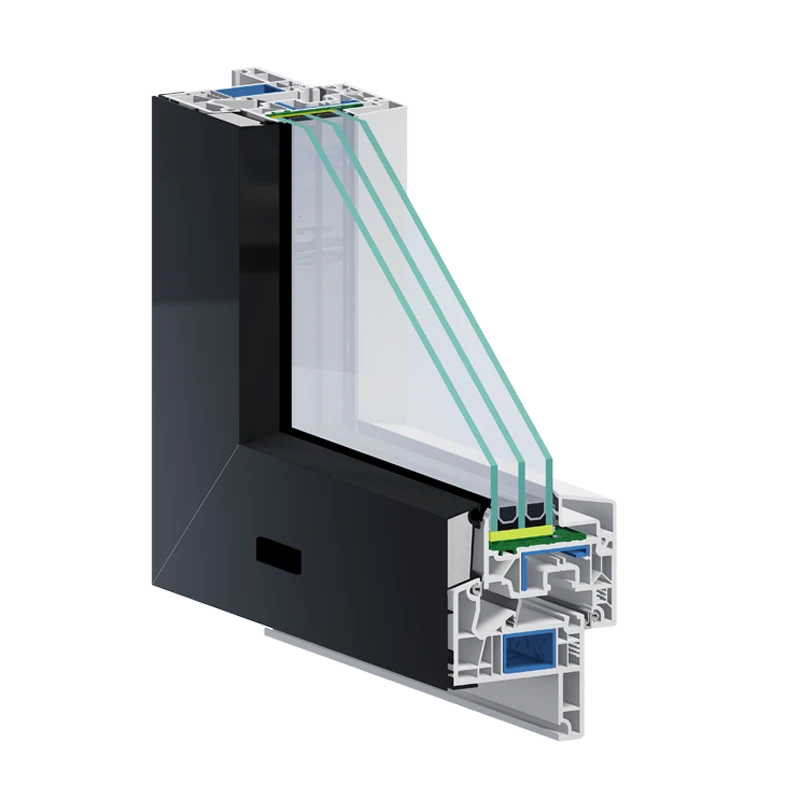
When choosing windows, most attention is often paid to the profile, material and appearance. However, glass occupies most of the surface of a modern window and directly affects its performance.
Choosing suitable insulating glazing can affect:
- the transmission of natural light,
- heat loss,
- solar gain,
- sound insulation,
- indoor comfort,
- the occurrence of condensation.
Glass should therefore be seen as an active part of the window system, rather than simply a finishing surface between two profiles.
For large glass surfaces, it is particularly important to find a balance between the amount of natural light, the building's energy requirements and its orientation.
The warmth of wood in an autumn interior
Materials play an equally important role in how we experience a space.
Wood is one of the materials that naturally connect architecture with its surroundings. Its texture, growth rings and varying shades create visual warmth that is particularly noticeable in interiors during autumn and winter.
Wooden window systems are therefore often used in projects aiming to give a space a more pronounced natural character.
Modern woodworking allows various finishes and architectural interpretations, so wooden windows and doors can fit into both traditional and contemporary buildings.
Wood does not have to mean a traditional appearance. Combined with minimalist lines, large glass surfaces and a contemporary interior, it can be a distinctly modern architectural element.
When nature and modern technology come together
Wood-ALU systems are an example of how different materials can be combined into a functional whole.
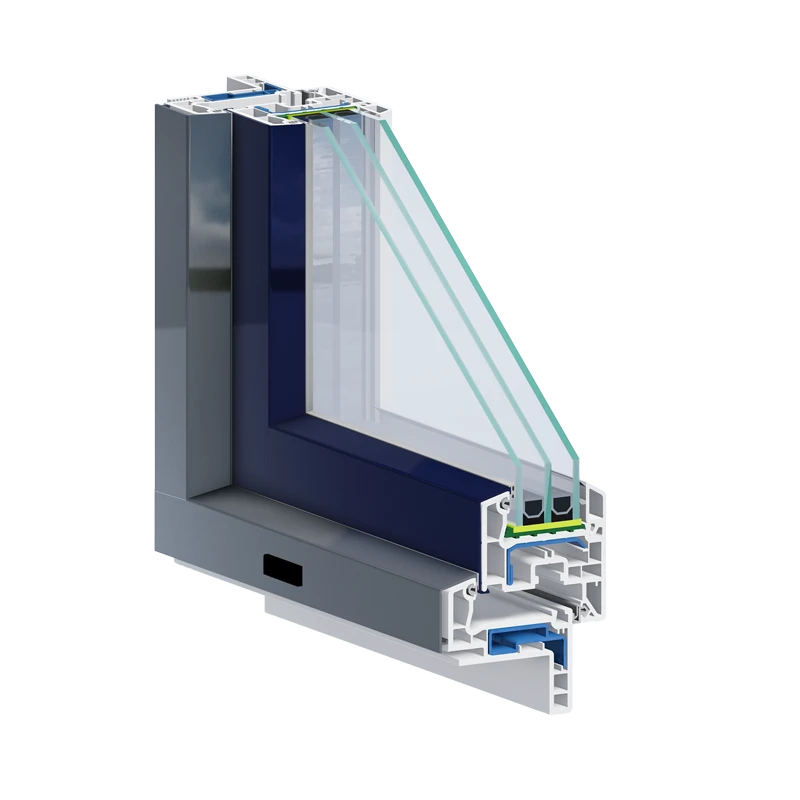
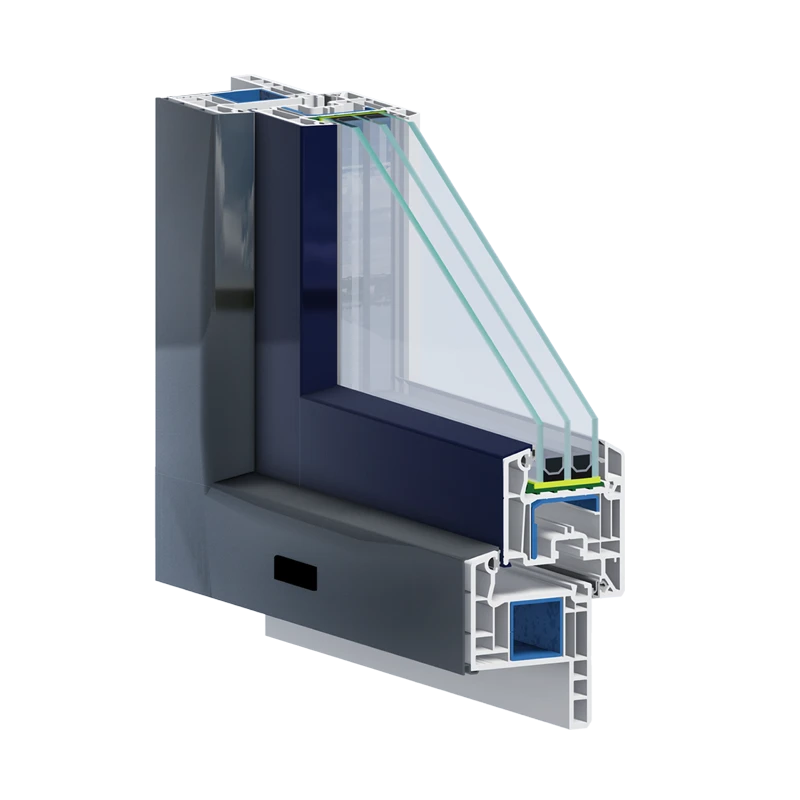
On the inside, wood brings natural material and character to the interior, while aluminium cladding on the outside provides protection and allows a contemporary facade appearance.
This combination is particularly appealing for buildings that require high functionality, durability and a distinctive architectural character at the same time.
The inner surface can be coordinated with floors, furniture and other interior elements, while the outer aluminium surface can be adapted to the facade and overall appearance of the building.
The window thus becomes part of the architecture on both sides, inside and outside.
It is precisely in its wood-ALU systems that SAPLAST develops solutions combining the natural aesthetics of wood with the technical characteristics of aluminium.
Autumn reveals how well the architecture has been conceived
A change of season often reveals the quality of an architectural solution more clearly than ideal spring or summer conditions.
When temperatures fall, the building's ability to retain heat becomes important. When days get shorter, access to natural light becomes more important. When we spend more time indoors, sound insulation, comfort and indoor climate quality come to the fore.
Quality windows and doors are therefore about more than appearance.
They must simultaneously meet the building's technical, energy, functional and aesthetic requirements.
A well-designed window allows us to enjoy natural light and views outside during the colder part of the year, with appropriate thermal protection and indoor comfort.
The window as an architectural element
Modern windows and doors are increasingly viewed as part of a building's architectural language, rather than merely as construction products.
Window dimensions, the relationship between solid and void, profile width, colour, material type, opening method and glass selection together influence the facade's appearance and the interior's character.
Decisions about windows and doors should therefore be made in the context of the entire building.
Not every window is intended for the same room, and not every building requires the same solution. A family home, modern villa, commercial building and historic structure have different architectural and technical requirements.
This is precisely why choosing windows and doors starts with understanding the building, and only then selecting a specific system.
Autumn as a reminder of what a window should truly provide
When we look through a window at nature's changing colours, we usually do not think about the profile, heat transfer coefficient or frame construction.
Yet these are exactly the elements that determine how comfortable the space will be when conditions change outside.
A good window should offer more than a view.
It should provide light, protection, comfort, energy efficiency and long-term functionality while being a natural part of the architecture.
That is the difference between a window as a construction element and a window as part of a space.
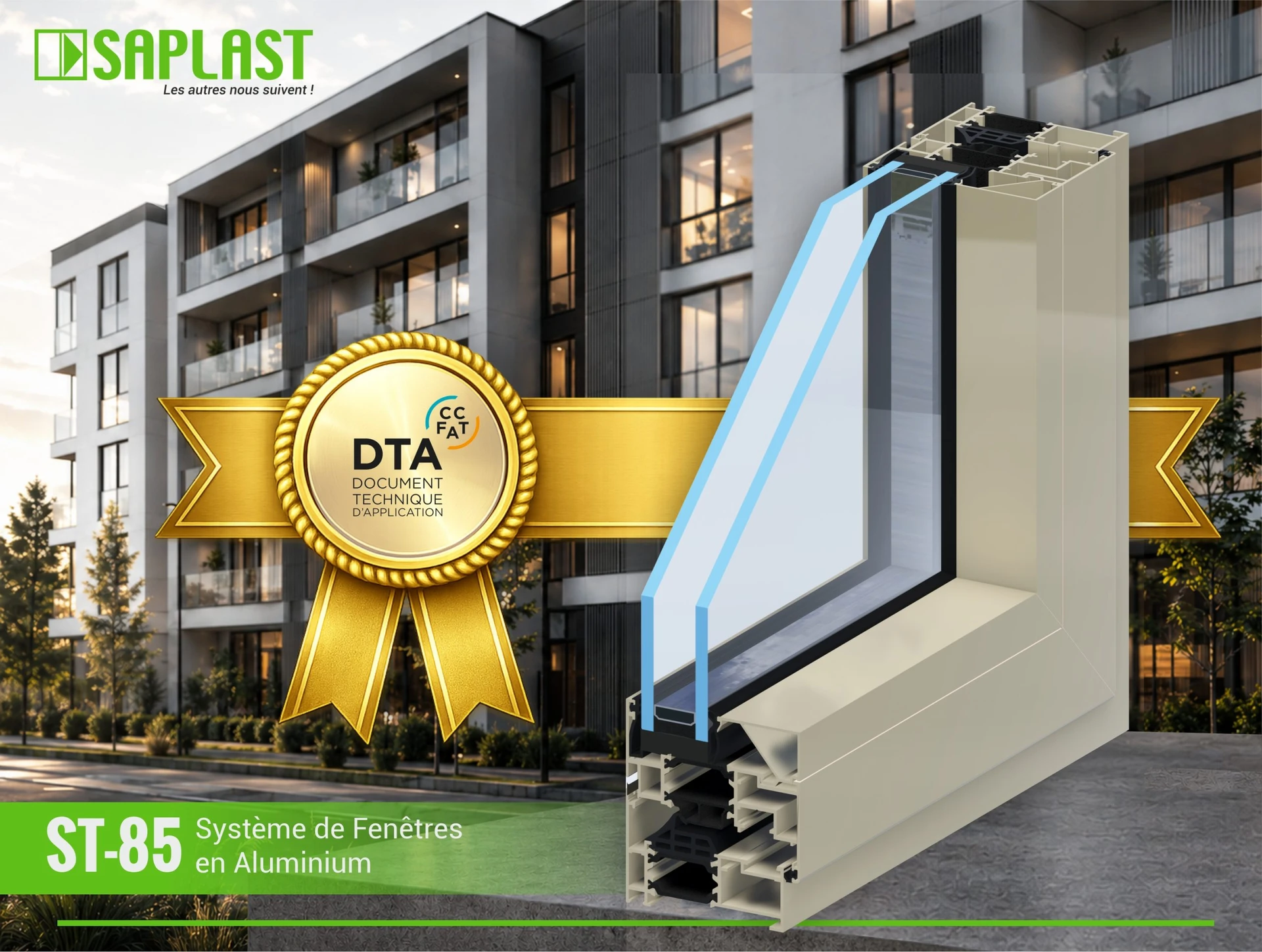
At SAPLAST, we develop PVC, ALU, wooden and wood-ALU systems for different architectural and technical requirements. From the choice of materials and glazing to construction and installation, every element plays a role in creating a functional and durable building.
Long-term value with the SAPLAST standard
At SAPLAST, we deliver solutions meeting high technical, functional and aesthetic demands. Our expertise, modern technology and individual approach are recognised throughout Bosnia and Herzegovina and the European Union.
For Building trust for 29 years through quality workmanship, reliable installation and long-term aftercare, because our goal extends beyond filling openings to opening long-term partnerships.
Contact us
For further information, technical advice or a quote, contact our sales team using the website contact form or visit our showroom.
SAPLAST – your security, comfort and protection in every season.