SAPLAST · Live
PVC windows and noise protection

Windows and doors are key elements in every building’s architecture and design. Besides their basic function, increasing emphasis is placed on their appearance when choosing them, including shape, size, colour, opening method, material and other characteristics.
Noise-related problems are more common than many realise, and much of the population is unaware of the harmful effects on health. Studies show that noise can increase stress levels by as much as 27% and reduce concentration and productivity by 12%. According to European Environment Agency reports, environmental noise, particularly from road traffic, affects as much as 20% of Europe’s population, meaning over 100 million people are regularly exposed to its harmful health effects. Environmental noise may also cause 48.000 new cases of ischaemic heart disease and around 12.000 premature deaths each year. An estimated 6,5 million people suffer from severe or chronic sleep disorders.
These facts highlight the importance of windows with good sound insulation. The human ear is among the most sensitive sensory organs, and human hearing covers frequencies from 16 to 16.000 Hz. In today’s noisy world, sound insulation matters more than ever. Replacing your home’s windows can therefore provide the acoustic comfort and peace you want.
As the most exposed part of the facade, windows play a crucial role in noise protection. PVC windows improve living quality by preventing traffic noise and other disturbances from entering homes, ensuring peace and quiet. They also increase comfort, create a warmer, calmer environment, reduce stress and anxiety, and promote rest and privacy. Choose windows with the highest possible sound insulation (Rw), class 3 or 4, for the best results.
How do window components contribute to sound insulation?
Glass
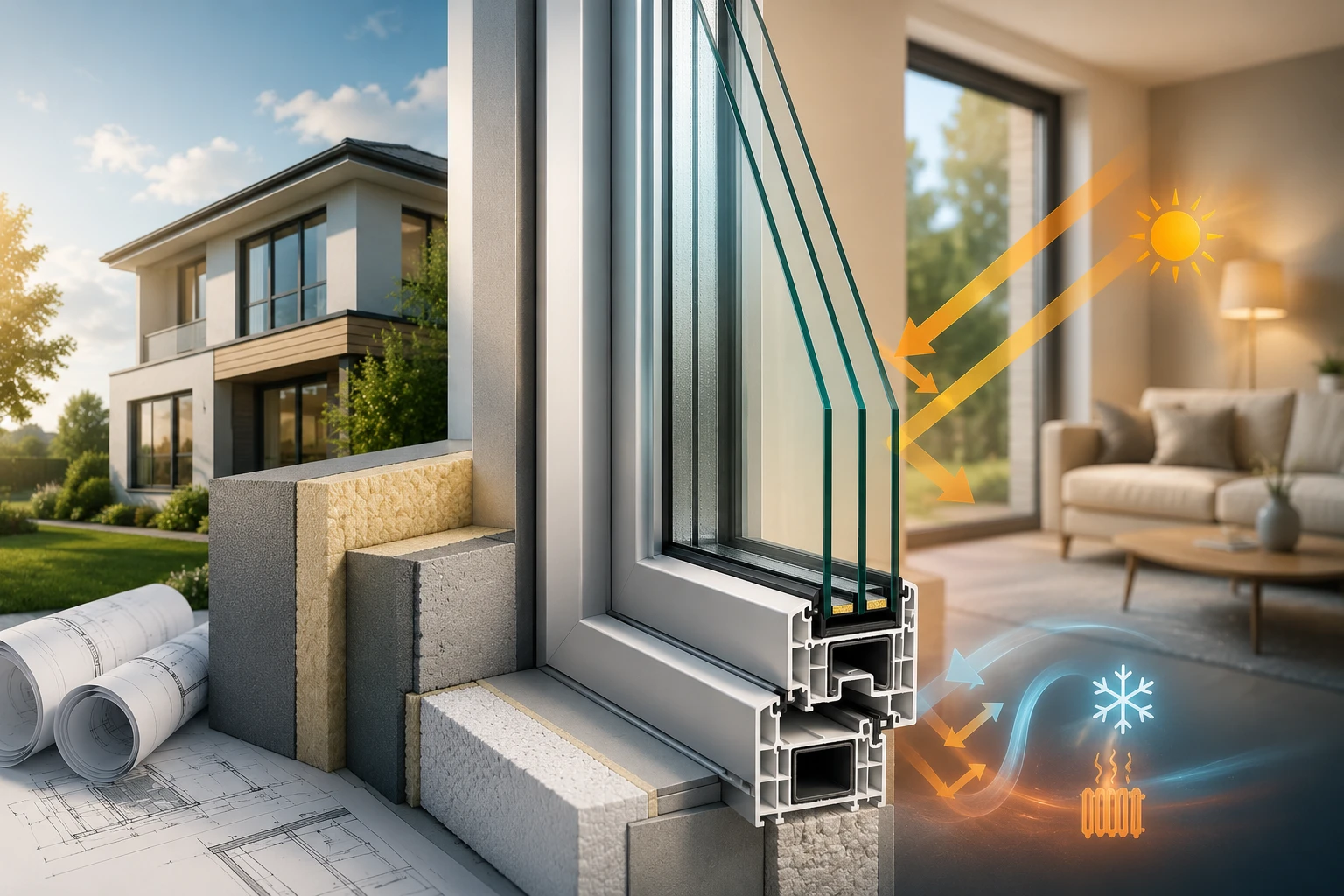
Glass, is a key factor in determining your windows’ insulation level because it makes up most of the window area. You can choose different glass characteristics, including the number of panes, thickness and additional features such as lamination or low-emissivity coatings.
Glass thickness is essential for high sound insulation. Thicker glass usually provides better insulation. The gap between panes can also improve sound insulation. Many modern windows have air or gas fillings between panes to improve insulation.
Single glazing provides the weakest sound insulation, while laminated double glazing usually provides very good insulation. Asymmetric glazing, with panes of different thicknesses, can further improve insulation by “breaking up” sound waves and reducing their strength. For example, 6/14/4 glazing provides better acoustic performance than 4/16/4, and adding lamination or changing pane thicknesses can improve insulation further.
Low-emissivity glazing is also an excellent insulation choice, and asymmetric triple low-emissivity glazing filled with a gas such as argon provides the highest thermal and sound insulation.

How windows open
The opening method plays a crucial role in achieving good sound insulation. When choosing how your home’s windows open, consider your surroundings. If you are exposed to high noise levels, such as on a busy street or boulevard, single-sash windows with a conventional tilt-and-turn mechanism are recommended because they seal best. Double-sash windows may also be suitable (for example, from the profile systems SL 82, SL 70). If your location is quiet and your rooms spacious, however, high-performance sliding doors such as those from the VEKAMOTION 82 system can be attractive, offering added functionality and abundant light.
The material windows are made from
For window sound insulation, PVC is the most reliable profile material. PVC is airtight, significantly reducing sound wave transmission into the home. Its physical characteristics give PVC profiles greater acoustic insulation, reducing noise by up to 25% compared with windows of similar characteristics made from other materials. PVC profiles also offer thermal insulation, economy, attractive appearance and easy maintenance.
Profile type
Choose RAL class A quality PVC profiles for your windows. Their superior properties and guaranteed external wall thickness of 3,0 mm (with a tolerance of ± 0,2 mm) provide a crucial advantage and processing reliability, resulting in windows with optimal thermal and sound insulation that remain stable and functional for many years. Windows and doors made from PVC profiles stand out for excellent sound insulation because they absorb sound waves, reducing noise penetration by up to 4 dB compared with class B profile windows.
Sealing
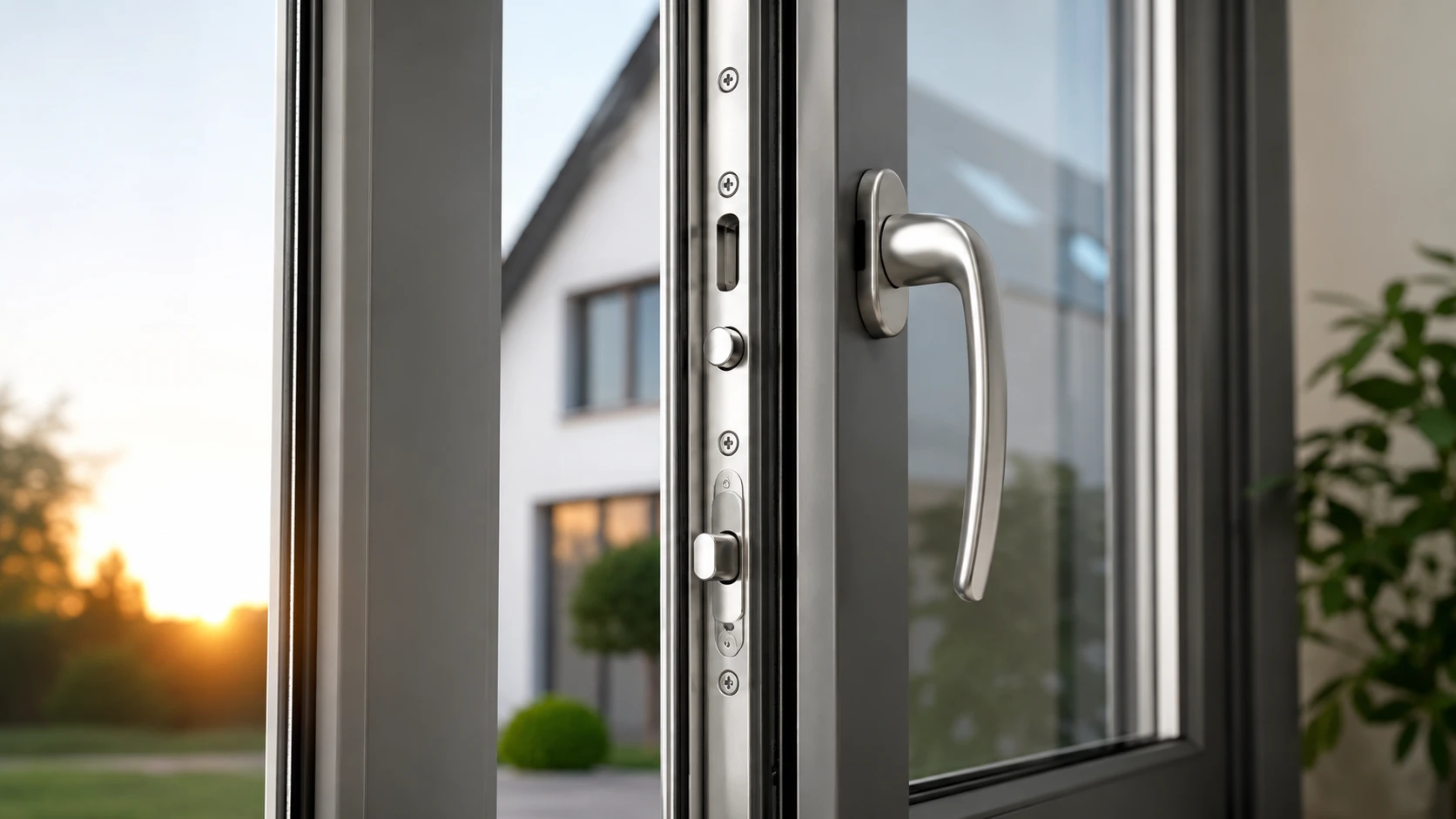
PVC profiles have two or three sealing levels, providing reliable protection against low and high temperatures, draughts, moisture, noise and other external influences. This further improves their insulation quality. Combining premium PVC frame and sash profiles, outstanding seals, fittings and effective insulating glazing produces a product that meets every requirement of modern construction.
Roller shutters
In addition to protecting against weather, unwanted attention and forced opening, external roller shutters protect against outside noise and give us a sense of security day and night.