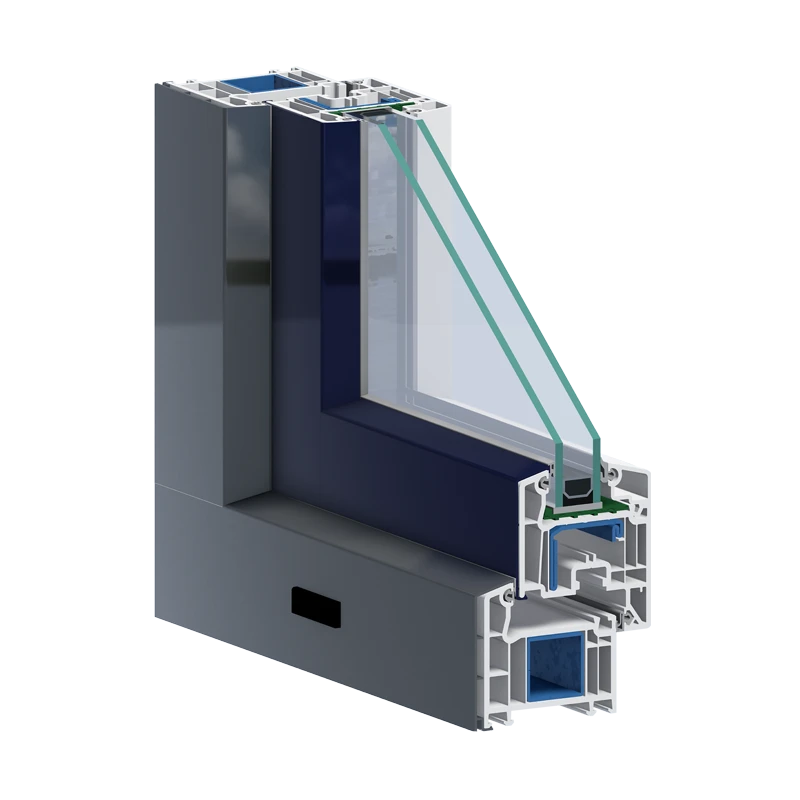
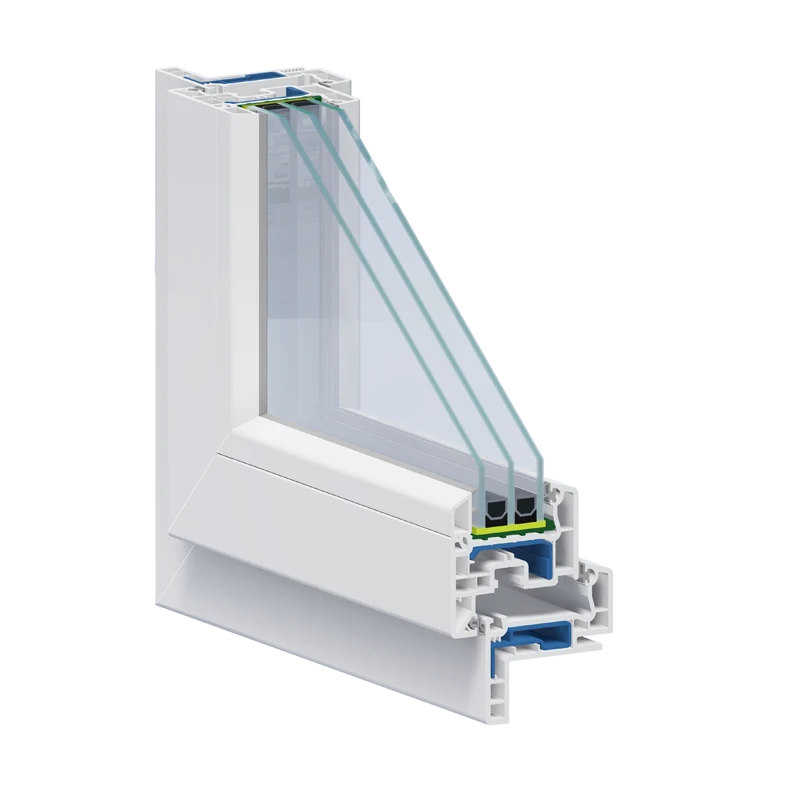
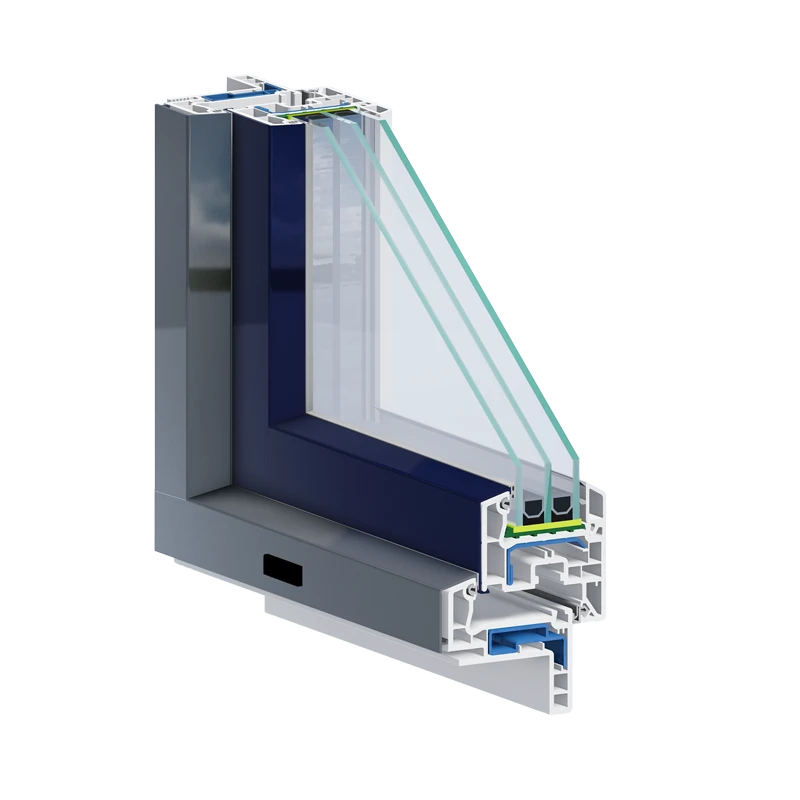
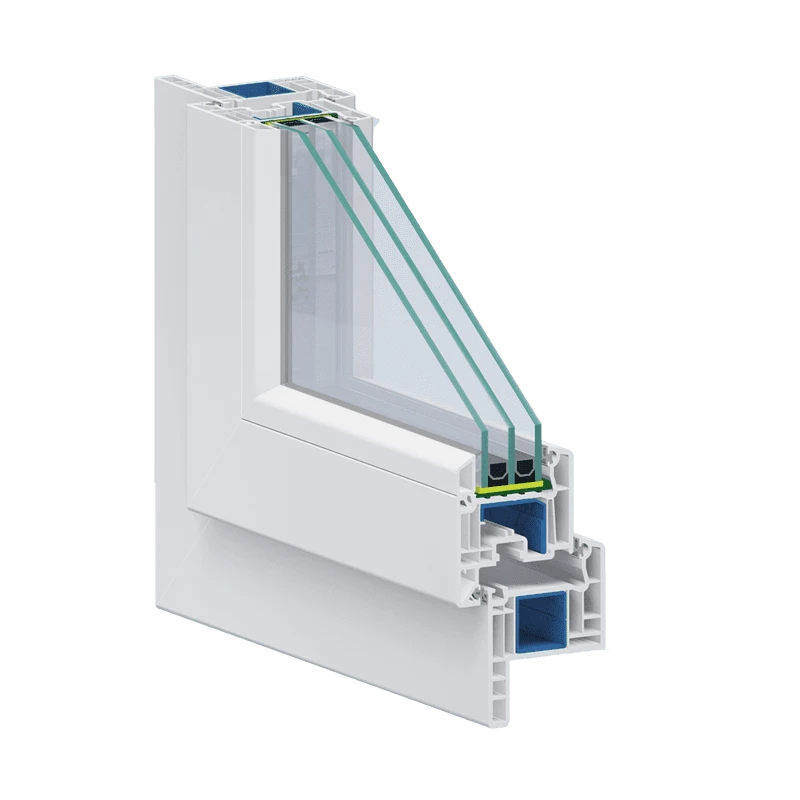
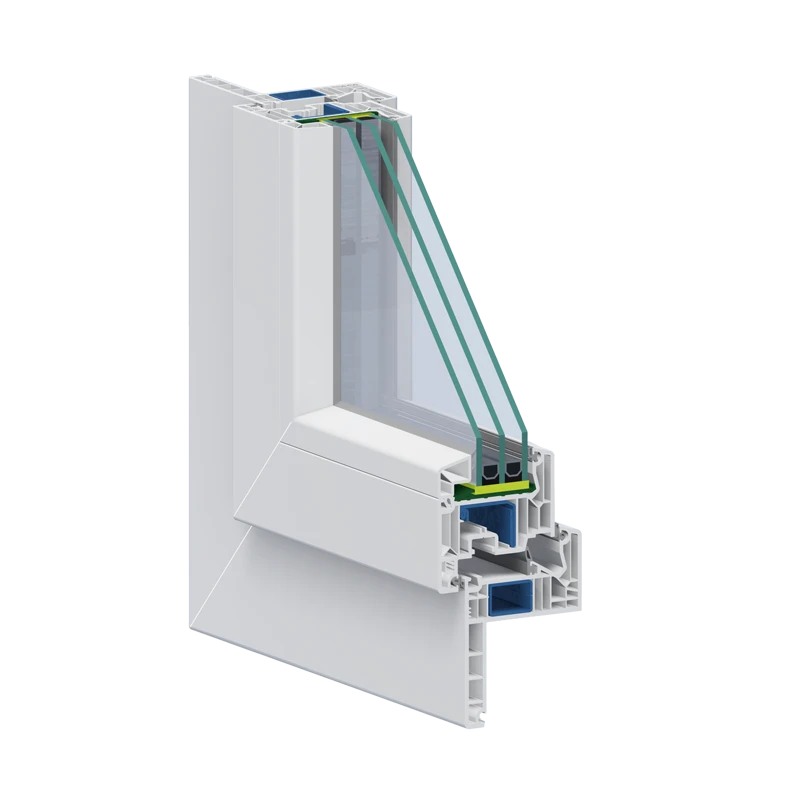
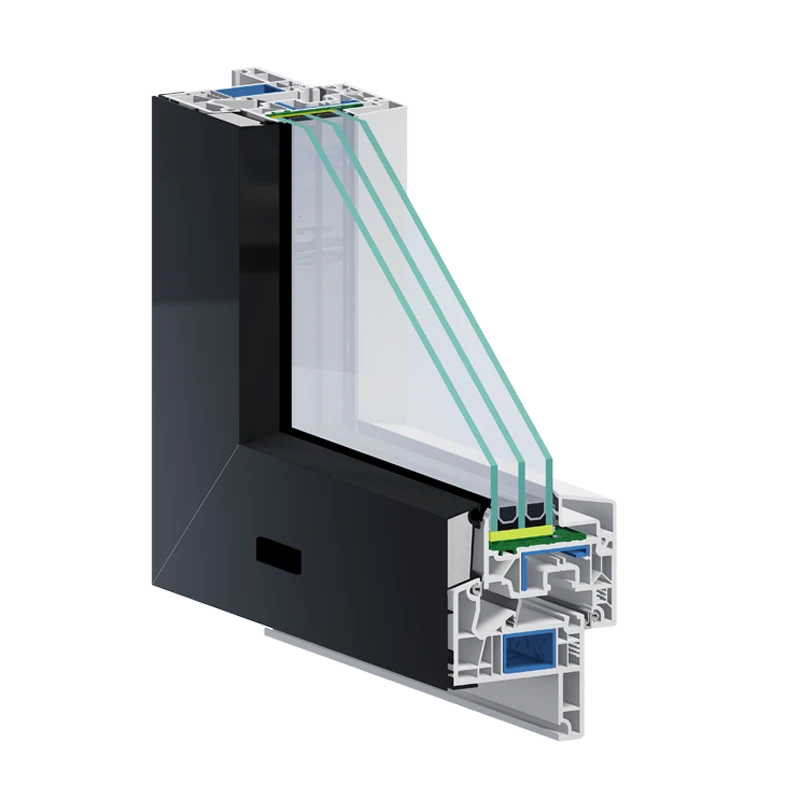
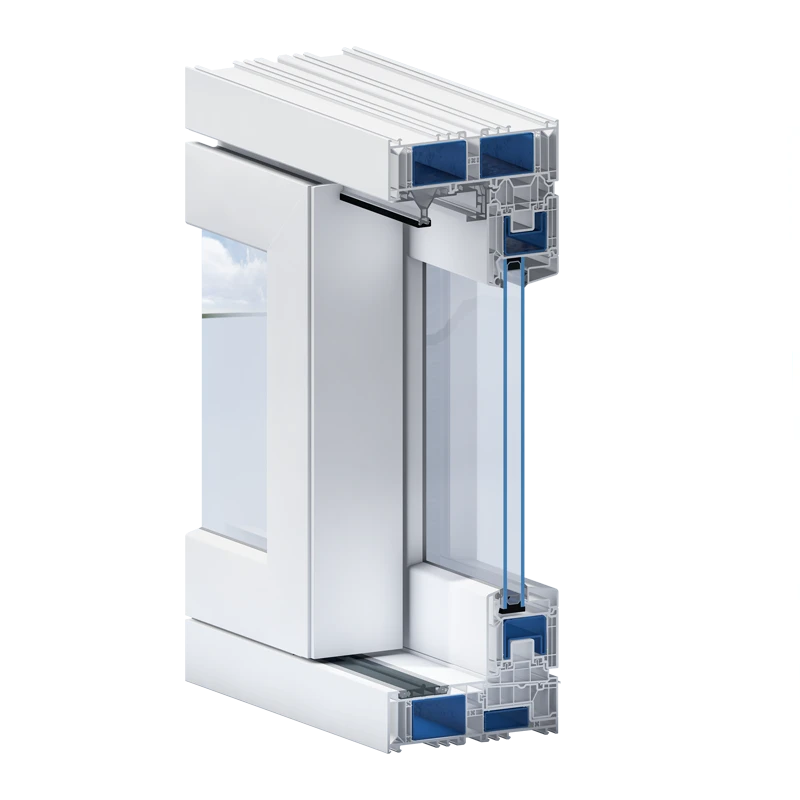
2. A good window is only as good as its design and installation
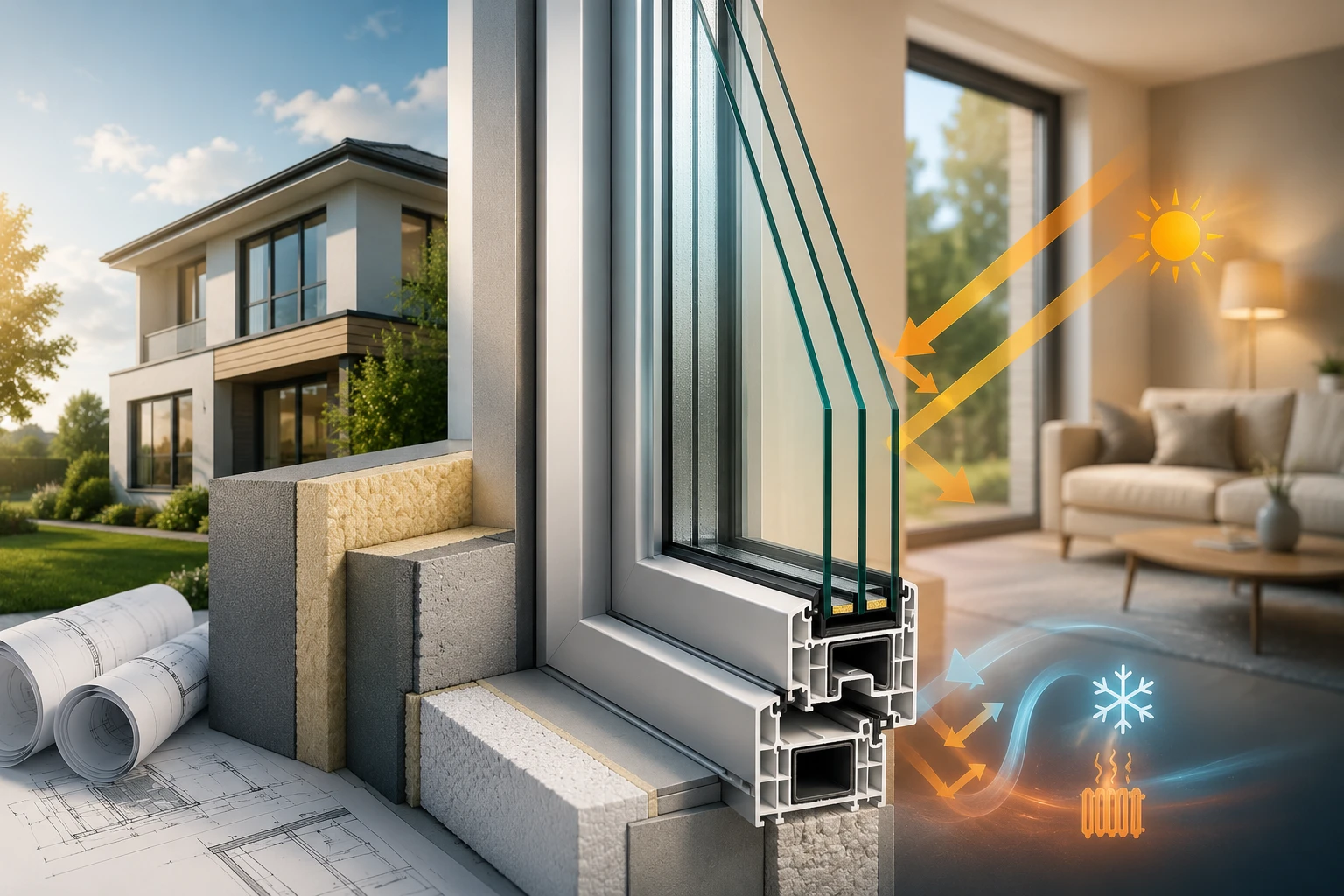
Even when a quality window system and appropriate glazing have been chosen, the work is not finished. One often overlooked aspect of energy efficiency is window installation.
The window must be correctly positioned in relation to the wall and facade layers, and the joint between the window unit and the building must be constructed to reduce the possibility of air infiltration and thermal bridges.
Modern construction therefore pays increasing attention to installation details. Producing a quality window is not enough: its designed characteristics must also be realised after installation.
This is especially important in energy-efficient and low-energy buildings, where every element of the envelope is designed to reduce unnecessary energy losses.
How to choose the right windows and doors?
There is no single window system that is universally best for every building.
The criteria important for a family house may differ from those for an office building, hotel or contemporary architectural project with large glass surfaces.
PVC windows and doors can be a sensible choice for various types of buildings, particularly when thermal insulation, functionality and economy are priorities.
Aluminium systems allow slim profiles, large dimensions and high architectural flexibility, making them particularly appealing for modern buildings and large glass surfaces.
Wooden windows and doors provides a natural material, a distinctive aesthetic and good thermal insulation properties, while wood-ALU systems combine the natural appearance of wood with the additional protection of aluminium cladding.
This is precisely why the choice of windows and doors should not be reduced to “PVC or ALU?”. The real question is:
Which window system best suits the specific building, its location, architecture and energy requirements?
When designing a building, it is also necessary to consider window orientation, the size of glass surfaces, climatic conditions, thermal and sound insulation requirements, the amount of natural light and how the space will be used.
When all these elements are properly coordinated, the window ceases to be merely a building component that closes an opening in a wall. It becomes an important part of the building's overall concept.
The energy efficiency of a modern building does not depend on a single product. It results from a properly designed whole in which the facade, thermal insulation, window systems, glazing and installation method work together.
When choosing windows and doors, the focus should therefore extend beyond profile material or window appearance. It is important to consider the overall performance of the system and its compatibility with the building.
A well-designed and properly installed window can simultaneously help reduce heat loss, improve comfort, make better use of natural light and enhance the building's long-term value.
In contemporary architecture, it is therefore no longer enough to ask: “Which windows and doors should I choose?”
The real question is: “How will my window system work with the entire building?”