SAPLAST · Live
The importance of energy efficiency in windows

Energy efficiency refers to a range of measures applied to reduce energy consumption while improving comfort and quality of life. In recent years, it has become a key topic in architecture and construction, both globally and locally, bringing increased attention to new construction and the energy renovation of existing buildings. Replacing windows is often the first step towards improving a building’s energy efficiency, as windows are a major source of energy loss.
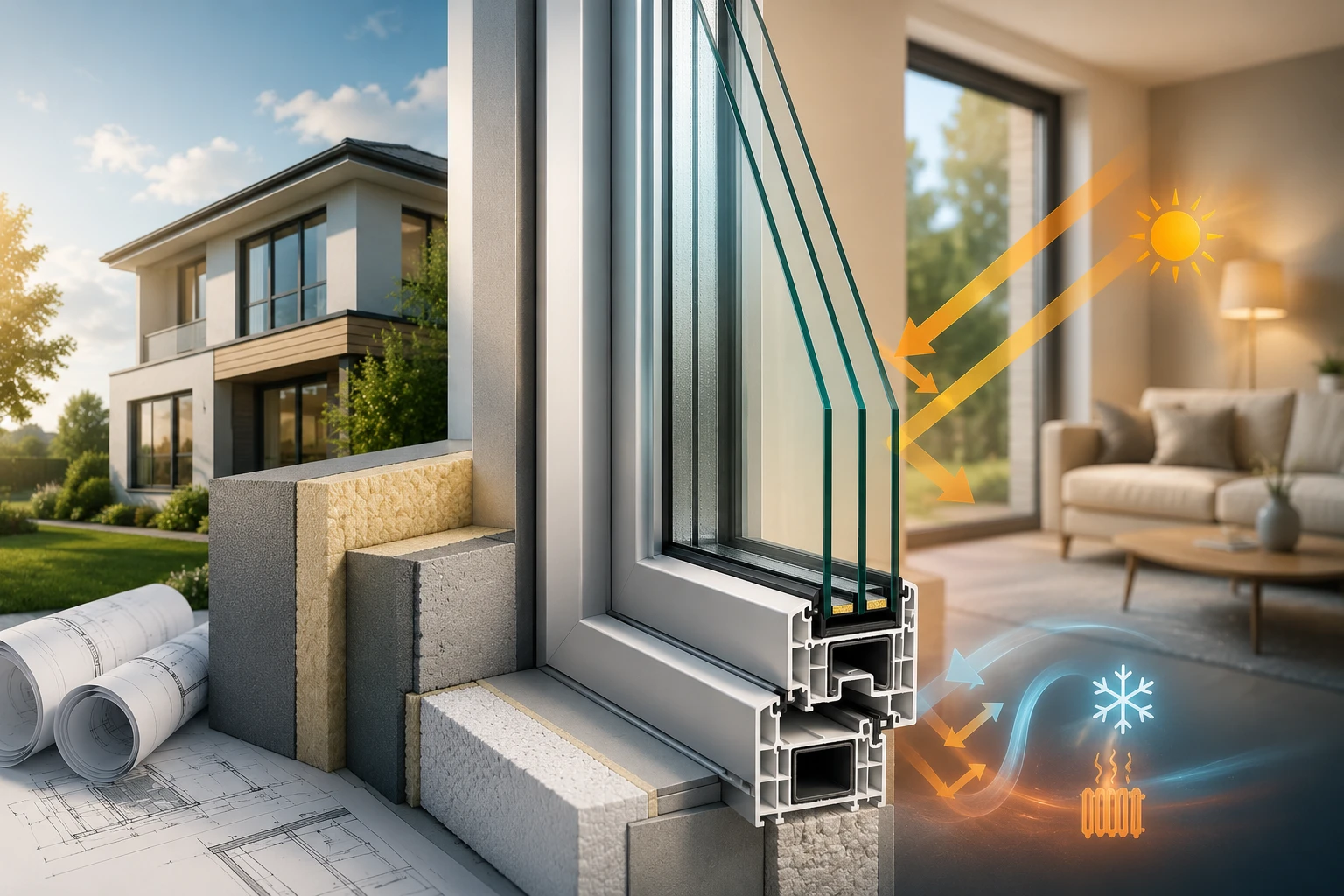
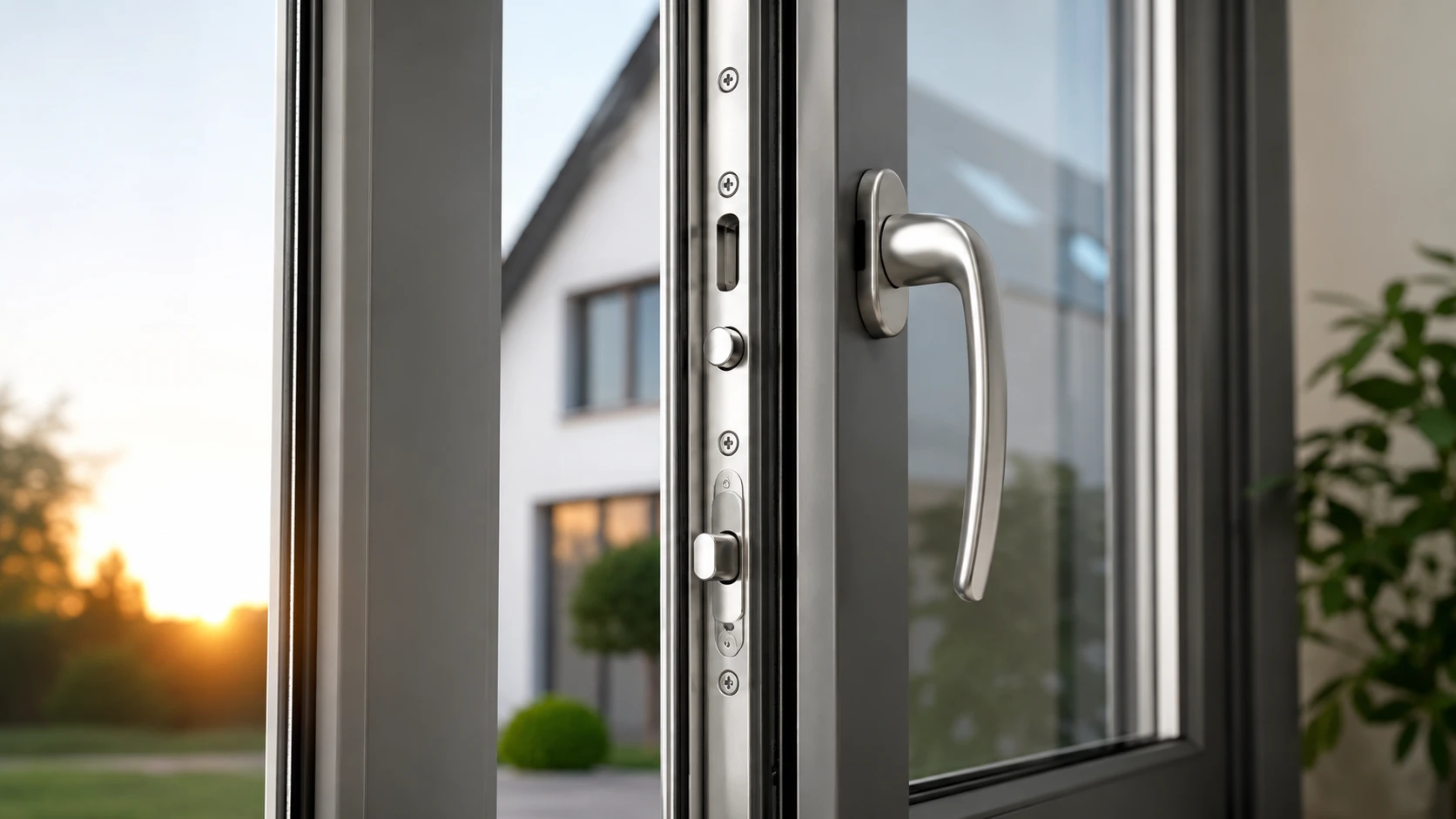
Combining high-quality PVC profiles (window frame and sash), excellent seals, fittings and effective insulating glass produces a window meeting every modern construction standard: high energy efficiency, excellent thermal and sound insulation, durability, easy use and maintenance, and high security. New modern PVC windows provide exceptional insulation, reducing winter heating and summer cooling costs and saving energy while reducing air pollution and helping protect the environment.
For a window to be high-quality, all its parts, including the profile, glazing and fittings, must be of appropriate quality. A poor component can affect the performance and quality of the entire window. Pay attention to every component and carefully choose the company that manufactures and installs your windows and doors
PVC window profiles
Besides being easy to maintain, PVC windows and doors should provide adequate thermal insulation to reduce heating and cooling costs and save energy. When choosing windows and doors, pay attention to the profile quality, as not all products on the market are energy-efficient.
SAPLAST uses only RAL class A quality profiles that fully meet thermal performance requirements. Thanks to their superior properties and guaranteed external wall thickness of 3,0 mm (with a tolerance of ± 0,2 mm), these profiles offer a decisive advantage and processing reliability. The result is windows with optimal thermal and sound insulation, guaranteeing stability and functionality for many years.
Thermal insulation of windows and doors
Thermal insulation is a key factor in improving window and door energy efficiency. Good insulation prevents heat loss in winter and heat entering in summer. The thermal conductivity coefficient “U” indicates how much heat, in watts, passes through 1 square metre of material of a given thickness in one second, expressed in W/m2K. The lower the coefficient, the better the insulation. Depending on the window and door profiles and glazing type, it can range from 0.8 W/m2K for high-quality windows with gas-filled triple low-emissivity glazing to 3.5 W/m2K for old single-glazed wooden windows. The European recommendation is that this coefficient should not exceed 1.8 W/m2K.

Glazing
Choosing the right glazing is essential for saving energy. Although differences in glass quality are not visible to the naked eye, examine their insulation values to ensure better thermal insulation and lower heating and cooling costs.
When choosing windows, consider both the profiles and the glazing, which comprises most of the window area, up to 80%, and must be high-quality. Choose glass with a good thermal insulation value (Ug). Using more panes reduces thermal transmittance. The lower the “Ug” value, the better the glass insulates.
Glazing can consist of two or more panes, separated by spacers filled with moisture-absorbing granules. The recommended minimum distance between two panes is 12 mm, and the cavity can contain air or inert gases such as argon, krypton or xenon, which act as thermal insulators. This is known as insulating glass or “IGU” glazing, made using glass with different properties, including float, laminated, toughened, patterned or reflective glass.
Low-emissivity (Low-E) glass also exists, with a vanadium oxide-based coating on its inner surface. These coatings reduce heat transfer and UV radiation by transmitting short-wave radiation (the visible part of sunlight) while reflecting long-wave radiation. These glazing units cost somewhat more than ordinary insulating glass but lose 50% less heat. Low-emissivity glazing is an excellent choice, particularly triple low-emissivity glazing, which contributes significantly to energy efficiency.
Sealing
PVC profiles have two or three sealing levels, providing reliable protection against low and high temperatures, draughts, moisture, noise and other external influences. Effective sealing between the window or door frame and the wall is crucial for energy efficiency.
Roller shutters
Roller shutters create an additional insulating layer over windows and doors, making them another key factor in improving energy efficiency.