SAPLAST · Live

What is thermal shock?

What is thermal shock?

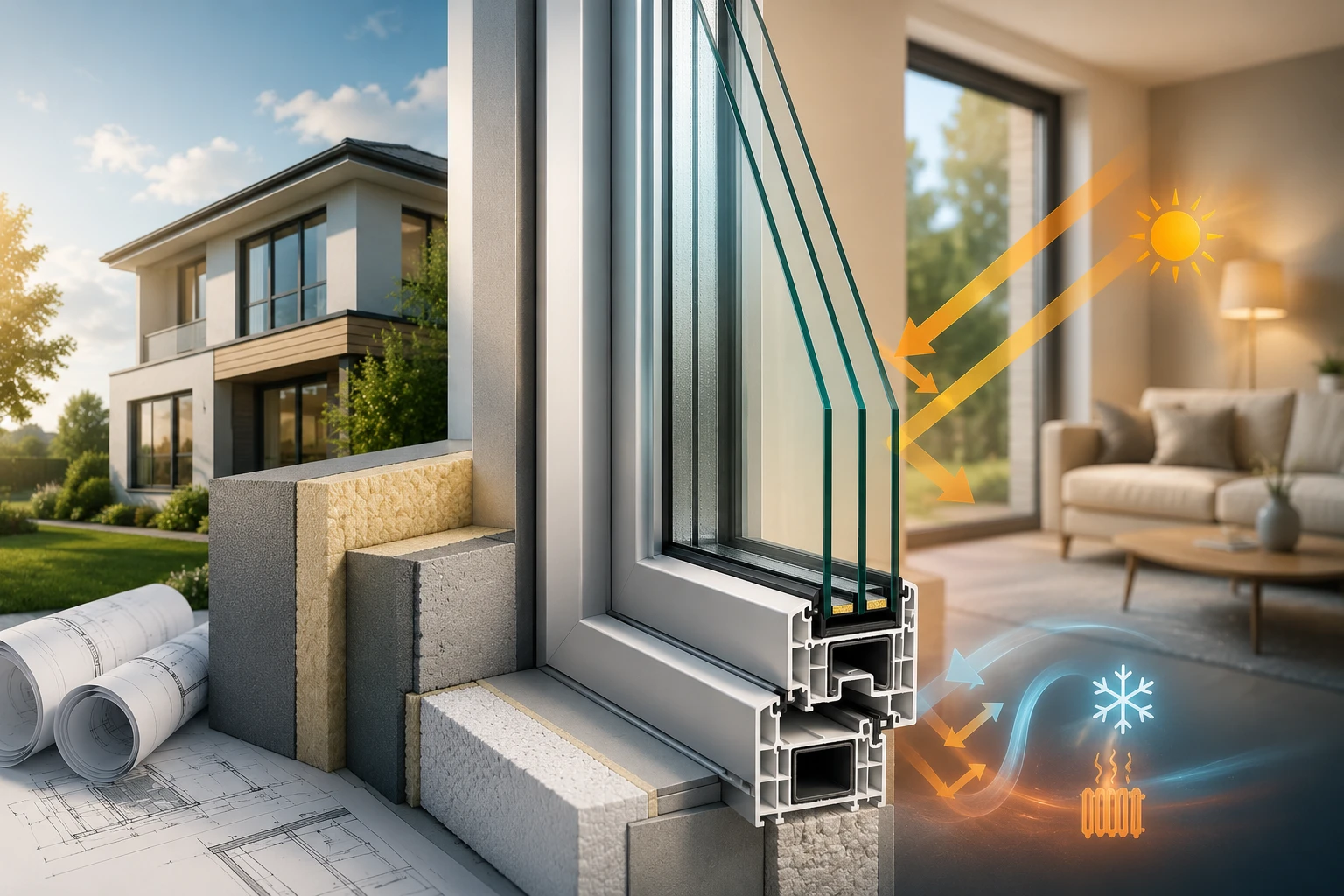
Thermal shock occurs in insulating glass and can cause cracking or damage due to sudden temperature changes. This is particularly relevant for glass exposed to varying weather and direct sunlight, making it vulnerable to temperature differences.

Thermal shock occurs when one area of glass heats faster than another, creating uneven temperature distribution. Significant temperature differences cause different expansion levels in the glass layers, creating stress that can lead to cracking. It usually occurs when indoor and outdoor temperatures differ greatly, such as in winter with heated interiors and cold weather, or in summer with air-conditioned interiors.


  • Direct sunlight: When sunlight directly strikes one part of the glass, it can overheat compared with shaded areas.
  • Uneven heating: If part of a window or facade remains shaded while another is exposed to sunlight, glass layers expand unevenly.
  • Indoor heating or cooling: Radiators, air conditioners and other heat sources near glass can create temperature differences between inner and outer surfaces.
  • Dirt or stickers on glass: Materials such as dirt or stickers can prevent uniform heating and create additional stress.

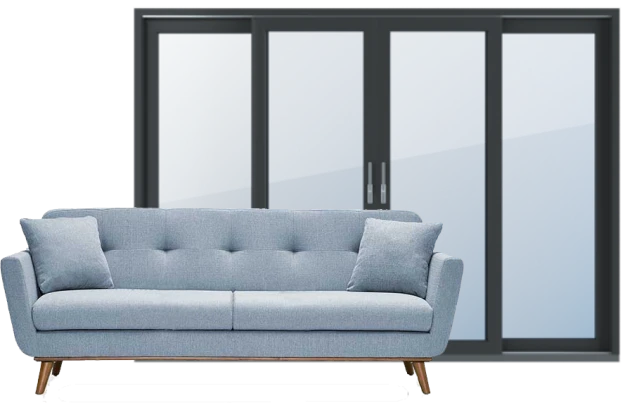
A sofa placed against a glazed wall.

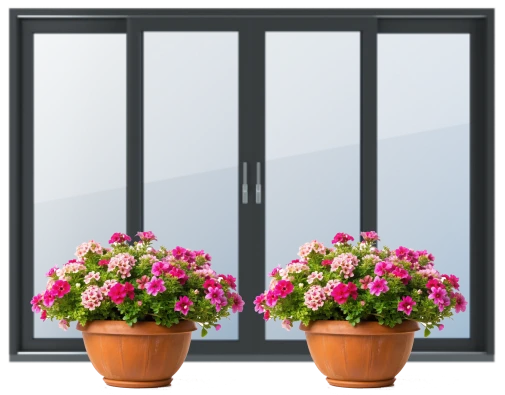
A planter beside the glass, indoors or outdoors.

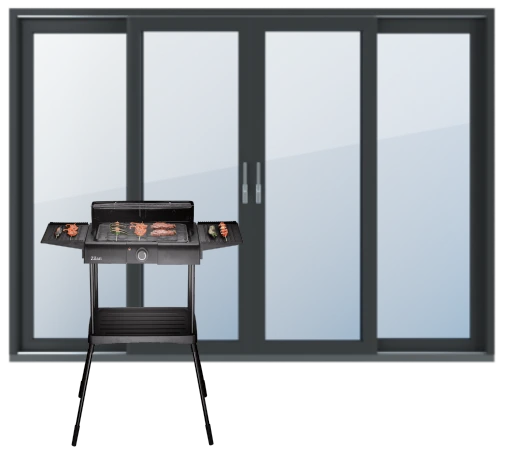
An oven or any appliance emitting strong heat near a glass surface.

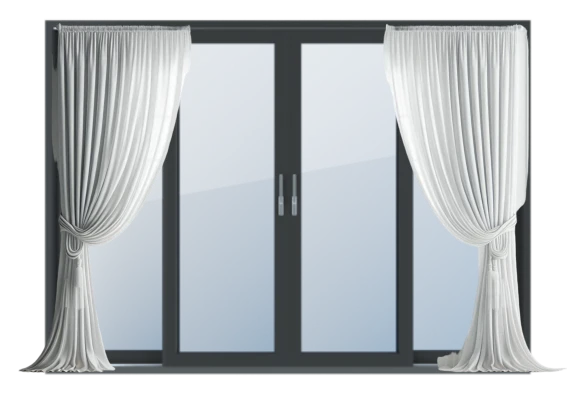
A dark or opaque curtain left half open.

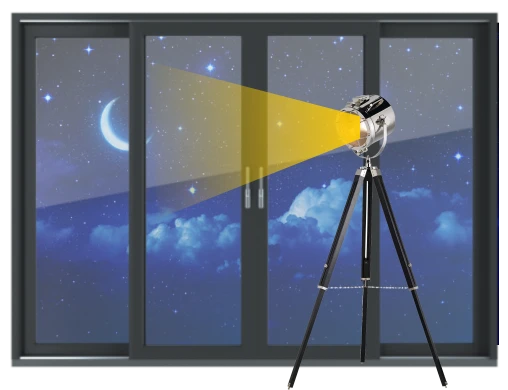
Halogen lighting directed at the glass.

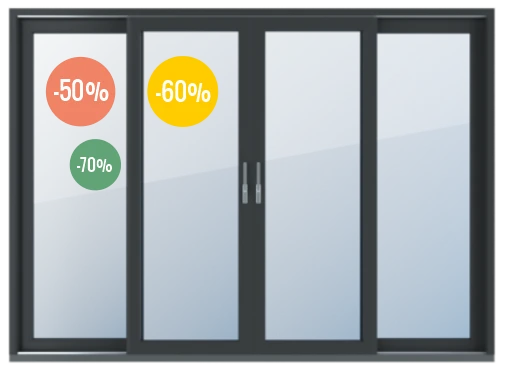
Dark or contrasting stickers applied to the glass.

Glass with high energy absorption, such as heat-absorbing, laminated or reflective-film-coated glass, is more sensitive to thermal shock. Double- and triple-glazed windows are also more susceptible than single-glazed windows. The same applies to sandblasted, scratched or engraved glass.

  • Choosing more resistant glass: Toughened or strengthened glass is more resistant to temperature changes and recommended for windows exposed to direct sunlight.
  • Correct installation: Professional installation ensures even load distribution and minimises potential stress in the glass.
  • Protection from sunlight: Installing awnings, blinds or reflective films on the glass can reduce direct solar radiation.
  • Regular maintenance and cleaning: Clean glass allows uniform heat distribution, reducing the risk of stress.

Preventing thermal shock is crucial for insulating glass longevity and safety. Appropriate materials, correct installation and additional protection can significantly reduce damage risk and extend the life of glazed surfaces.

Share article

Featured articles

Entrance doors create the first impression of your home. What really makes the difference?
Posted on
A beautiful window is not enough: 7 things to know before choosing wood-aluminium windows and doors
Posted on
Windows in autumn: 7 signs not to ignore
Posted on
Think your windows are energy-efficient? Check this
Posted on
Home security starts with windows and doors
Posted on
How to choose windows for every room in your home?
Posted on

Tell us
what you have in mind.

How can I help you?I speak all languagesSAPLAST Assistant