SAPLAST · Live

Passive houses and PVC windows and doors

Passive houses and PVC windows and doors

What is a passive house?

A passive house is a building where passive construction and energy-efficiency principles create a comfortable atmosphere without a separate heating and air-conditioning system.

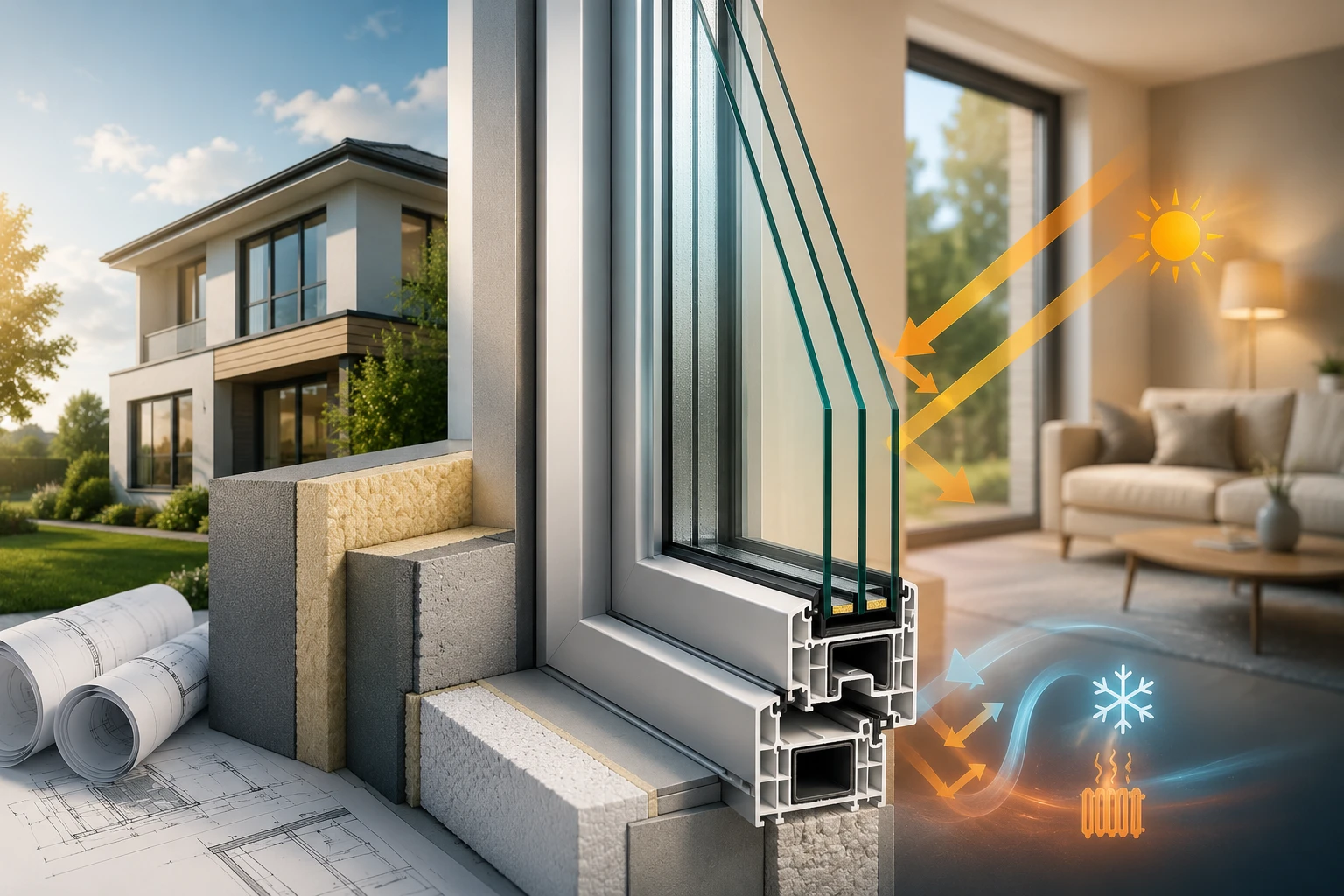
These houses are heated “passively”, using internal heat sources and solar gains through windows, together with minimal supplementary heating of fresh air through heat recovery. Windows and doors play an important role, as around 20% of energy is lost through them.

Some requirements a passive house must meet to obtain certification are:

Energy consumption for heating or cooling must be below 15 kWh/m2 annually (80-90% less energy than a conventional house);

Total primary energy consumption (heating, hot water, electricity) must not exceed 120 kWh/m2 annually (research shows that an average household in Bosnia and Herzegovina currently uses over 200 kWh/m2 annually);

The building must not leak more than 60% of its air volume per hour at a pressure of 50 Pa.

Ventilation

The ventilation system plays a crucial role in a passive house: indoor air is clean, free from pollen, dust and excessive humidity. Comfort ventilation with heat recovery reduces heat loss. Extracted air warms incoming fresh air in a heat exchanger without direct contact, transferring only heat and moisture. Incoming air can also be cooled this way.

Key advantages of a passive house:

    • The building should have a compact shape (avoid complex forms)
    • Aim to orient the building towards the south
    • Superinsulation
    • Avoiding thermal bridges
    • Ground heat exchanger – heat pump (low-energy house)
    • Windows Uw = 0.8W/m2K (our windows and doors meet these criteria and are intended for passive houses)
    • Air heat recovery >75%
    • Exceptional building airtightness

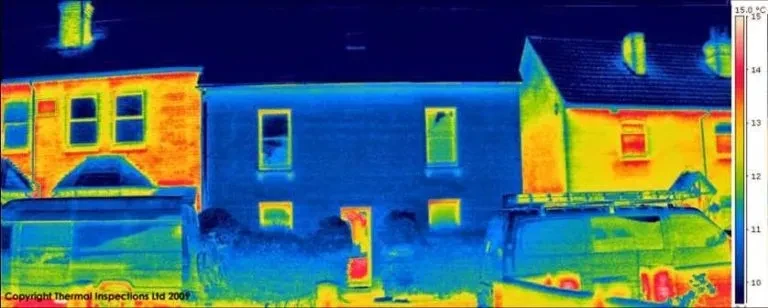
Copyright Thermal Inspections Ltd

The accompanying image clearly shows the temperature difference between the passive house (centre) and conventional houses (left and right). Thermal cameras reveal only minimal heat loss compared with houses built using conventional principles.

Low-energy houses

In practice, maintaining temperature entirely passively is difficult, so supplementary heating using heat pumps or solar cells is often needed. These buildings fall outside the passive house definition and are called low-energy houses. The difference is that a passive house requires no supplementary heating at all, while a low-energy house occasionally uses it and consumes more energy per square metre.

PVC windows and doors can be an excellent choice for passive houses because of their exceptional insulation and energy efficiency. Here are some key aspects to consider:

1. THERMAL INSULATION

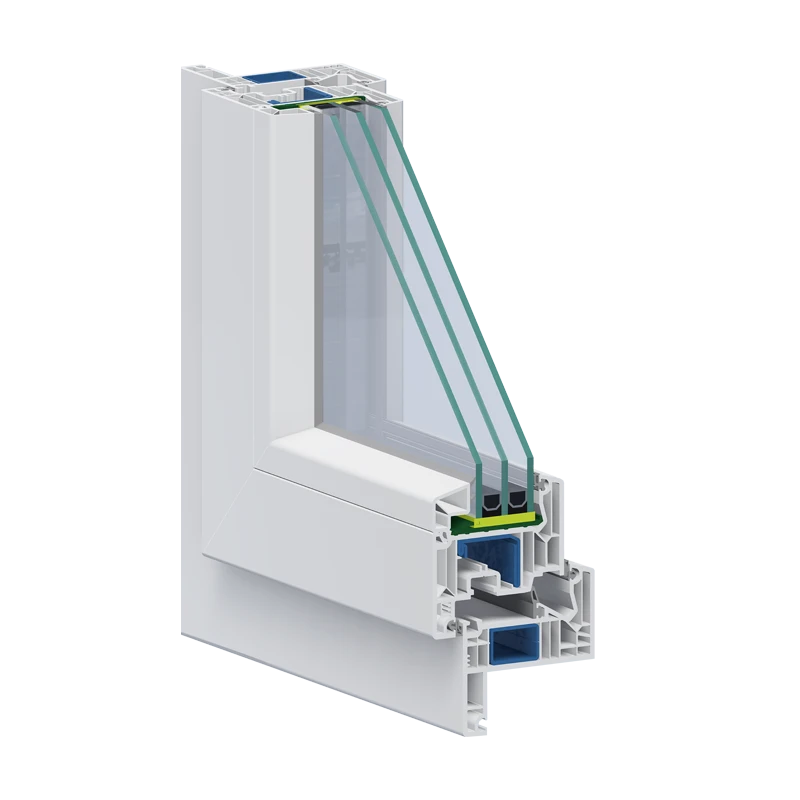
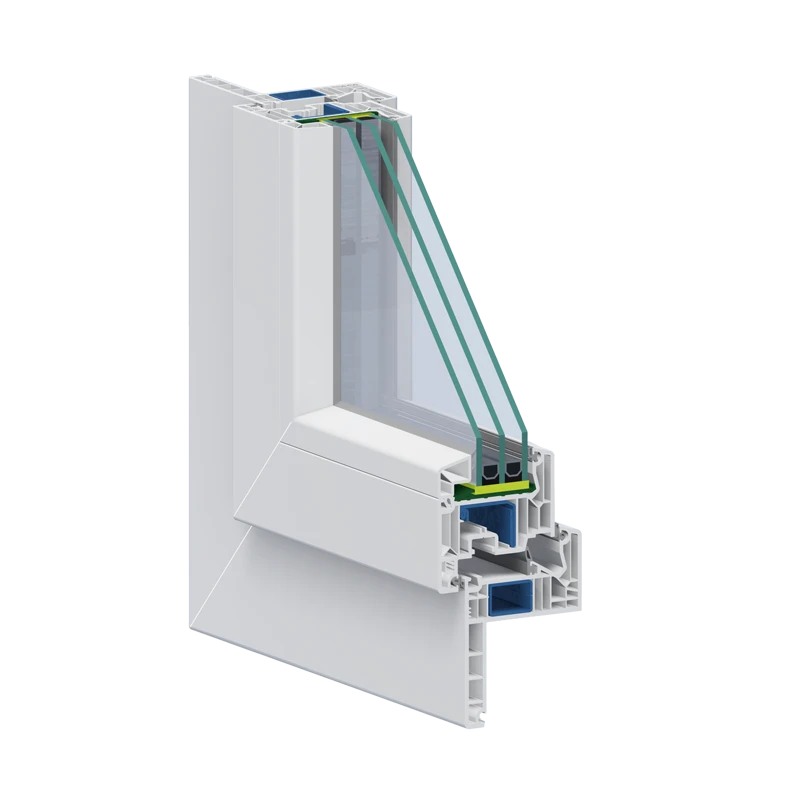
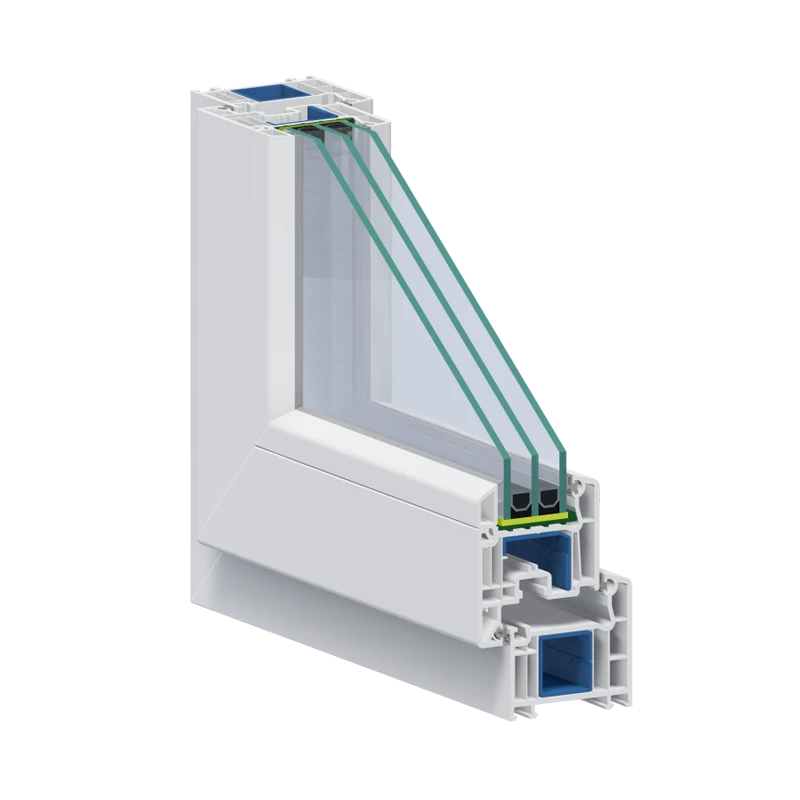
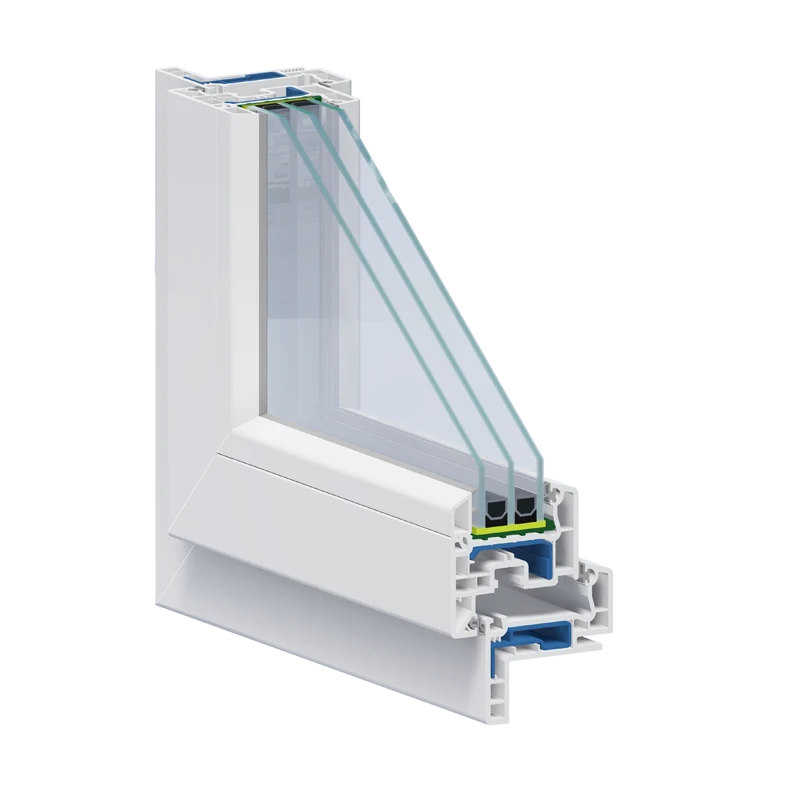
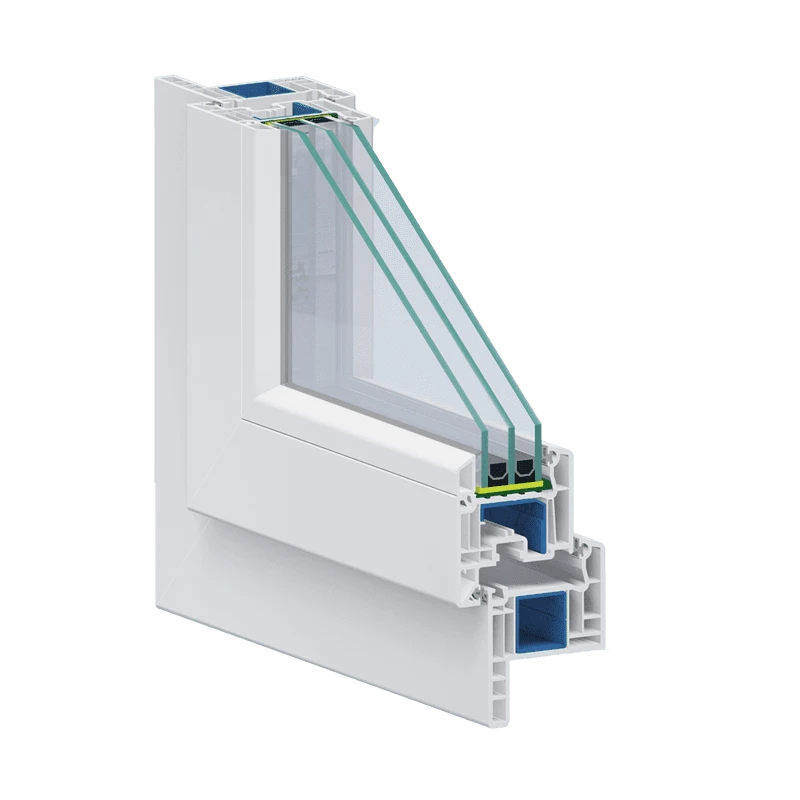
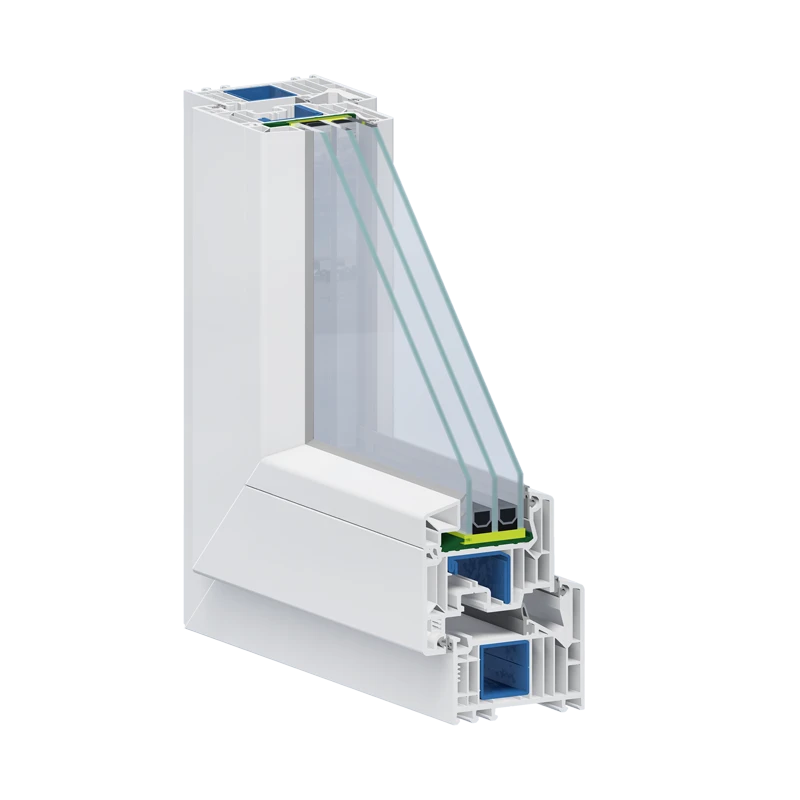
PVC windows and doors offer excellent thermal performance. Multi-chamber profiles filled with insulating materials minimise heat loss, a key passive house requirement. Passive houses require windows with a thermal transmittance coefficient (Uw) below 0,80 W/(m²K), which high-quality PVC windows can easily achieve.

2. SEALING

PVC windows and doors provide excellent sealing, preventing cold air and moisture from entering the house. This is crucial for maintaining stable indoor temperatures and reducing heating and cooling needs.

3. PRICE

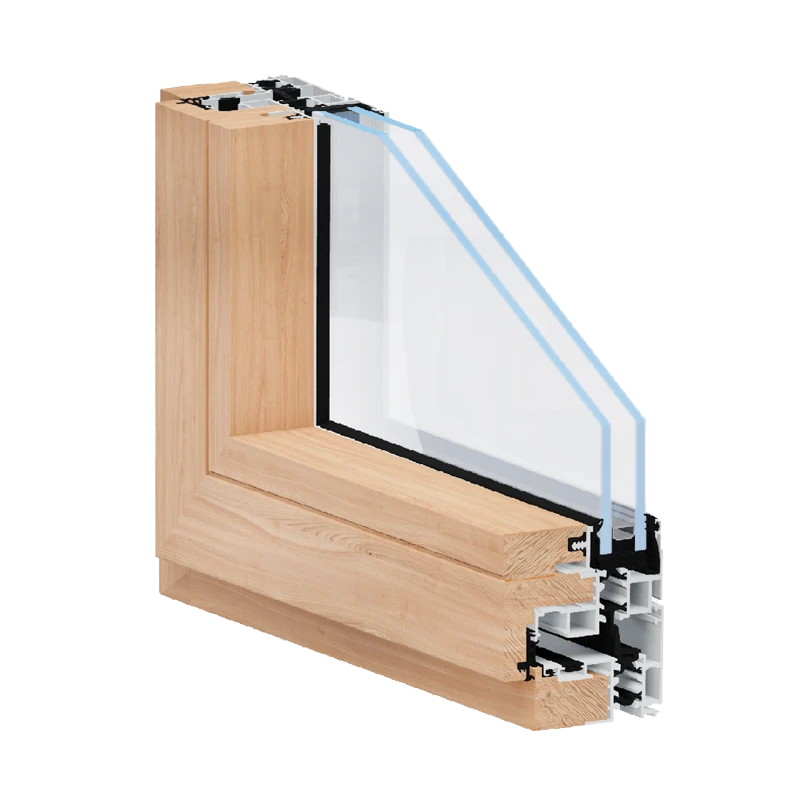
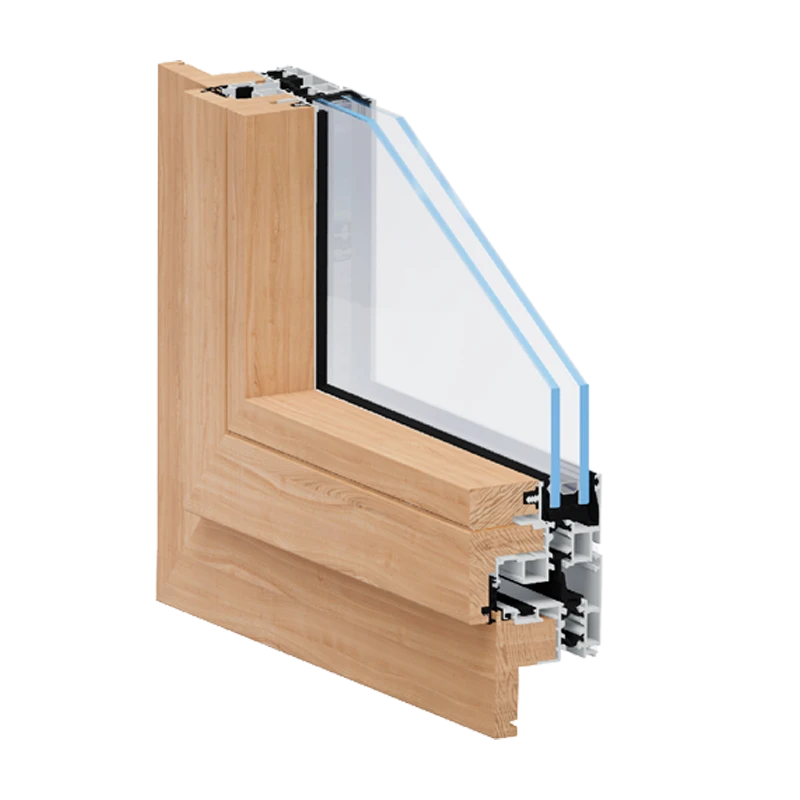
Compared with aluminium or wooden alternatives, PVC windows and doors are often more affordable while offering similar or better thermal insulation and energy efficiency.

4. MAINTENANCE

 PVC windows and doors require minimal maintenance. They resist moisture, rot and insects, making them a durable and cost-effective solution for passive houses.

5. ENVIRONMENTAL ASPECT

Modern PVC windows and doors are manufactured to high environmental standards. Many manufacturers use recycled materials and products that are themselves recyclable, contributing to passive house sustainability.

6. SOUND INSULATION

Besides thermal insulation, PVC windows and doors provide excellent sound insulation, increasing comfort inside the home.

7. AESTHETICS

Today’s PVC windows and doors come in different colours and styles, allowing homeowners to choose designs that suit their home’s architectural style.

CONCLUSION:

PVC windows and doors can significantly improve passive house energy performance. Choosing high-quality PVC products can deliver high energy efficiency, comfort and durability at lower costs than alternative materials. Consult experts and choose products meeting specific passive house standards.

SAPLAST window and balcony door systems

SL 82 Renovacija 35mm
SL 82 Renovacija 65mm
ST-DA67 Classic
ST-DA67 Classic
SL 70 Clasic
SL 70 Clasic
ST-DA67 Renovacija
ST-DA67 Renovacija
ST 85 Classic
ST 85 Classic
ST-DA75 Classic
ST-DA75 Classic
ST 85 Max light
ST 85 Max light
ST-DA75 Renovacija
ST-DA75 Renovacija
ST 85 Concealed sash
ST-DA87 Classic
ST-DA87 Classic
ST 85 Renovacija
ST 85 Renovacija
ST-DA87 Renovacija
ST-DA87 Renovacija
SL 70 Max light
SL 70 Max light
SL 70 Renovacija
SL 70 Renovacija
SL 82 MD
SL 82 MD

Share article

Featured articles

Entrance doors create the first impression of your home. What really makes the difference?
Posted on
A beautiful window is not enough: 7 things to know before choosing wood-aluminium windows and doors
Posted on
Windows in autumn: 7 signs not to ignore
Posted on
Think your windows are energy-efficient? Check this
Posted on
Home security starts with windows and doors
Posted on
How to choose windows for every room in your home?
Posted on

Tell us
what you have in mind.

How can I help you?I speak all languagesSAPLAST Assistant