SAPLAST · Live

Thermal characteristics of windows and doors Uw / Sw / TLw

Thermal characteristics of windows and doors Uw / Sw / TLw

Today, windows are more than a source of natural light and a relaxing outdoor view. They are also an excellent way to improve your home’s energy efficiency.

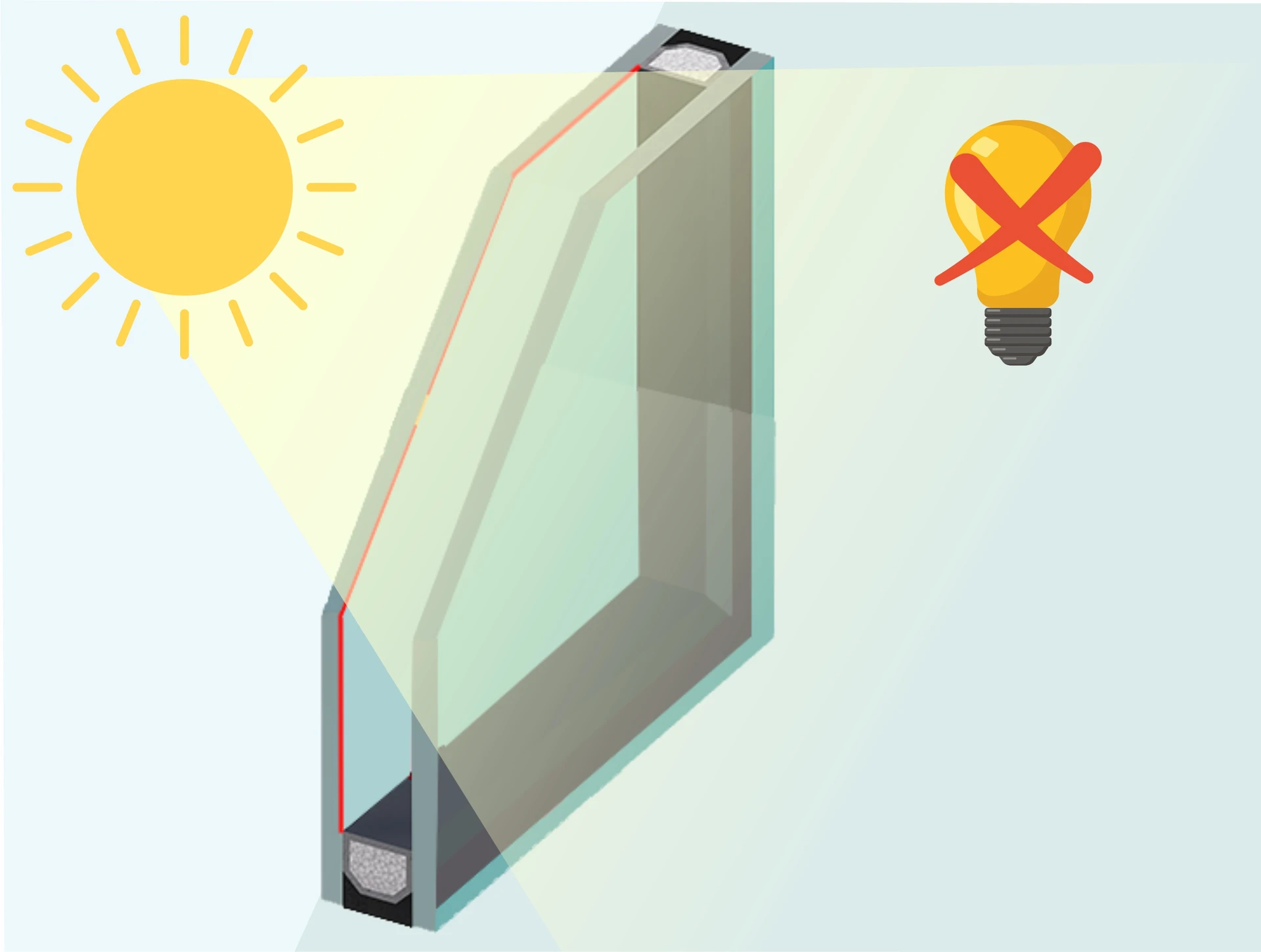
Window insulation is an important factor that many consumers compare. A window with a good solar factor lets you benefit from the free heat of the sun’s rays. The solar factor Sw measures a window’s ability to transfer solar heat into the home. 

SOLAR FACTORS SW

Solar factor Sw allows the natural energy a window can transfer into the home to be assessed. This is the value consumers examine and compare when buying new windows and doors. The higher the solar coefficient, the more solar energy the window transmits. A window with a good solar factor lets you heat rooms for free when the sun shines on it. You use less heating and save money.

SOLAR FACTOR SW OR SG?

The solar coefficient Sw corresponds to the solar factor of the entire window (profile + glass) while the solar coefficient Sg corresponds to the solar factor of the glass alone. Both values are useful because they indicate each component’s ability to transfer solar heat into the home. Sg is higher than Sw because glass is, logically, the part that transmits the most solar energy. Finally, remember that other useful thermal coefficients include Uw , Uf i Ug .

UW COEFFICIENT: WINDOW THERMAL INSULATION

Window insulation is very important. Windows account for around 25% of a home’s heat loss. To understand a window’s insulation, simply check its thermal coefficient Uw, also called the “Uw thermal transmittance coefficient”. It measures energy loss through the entire window: profile + glass + joint. The lower the value, the greater the window’s insulation.
UW

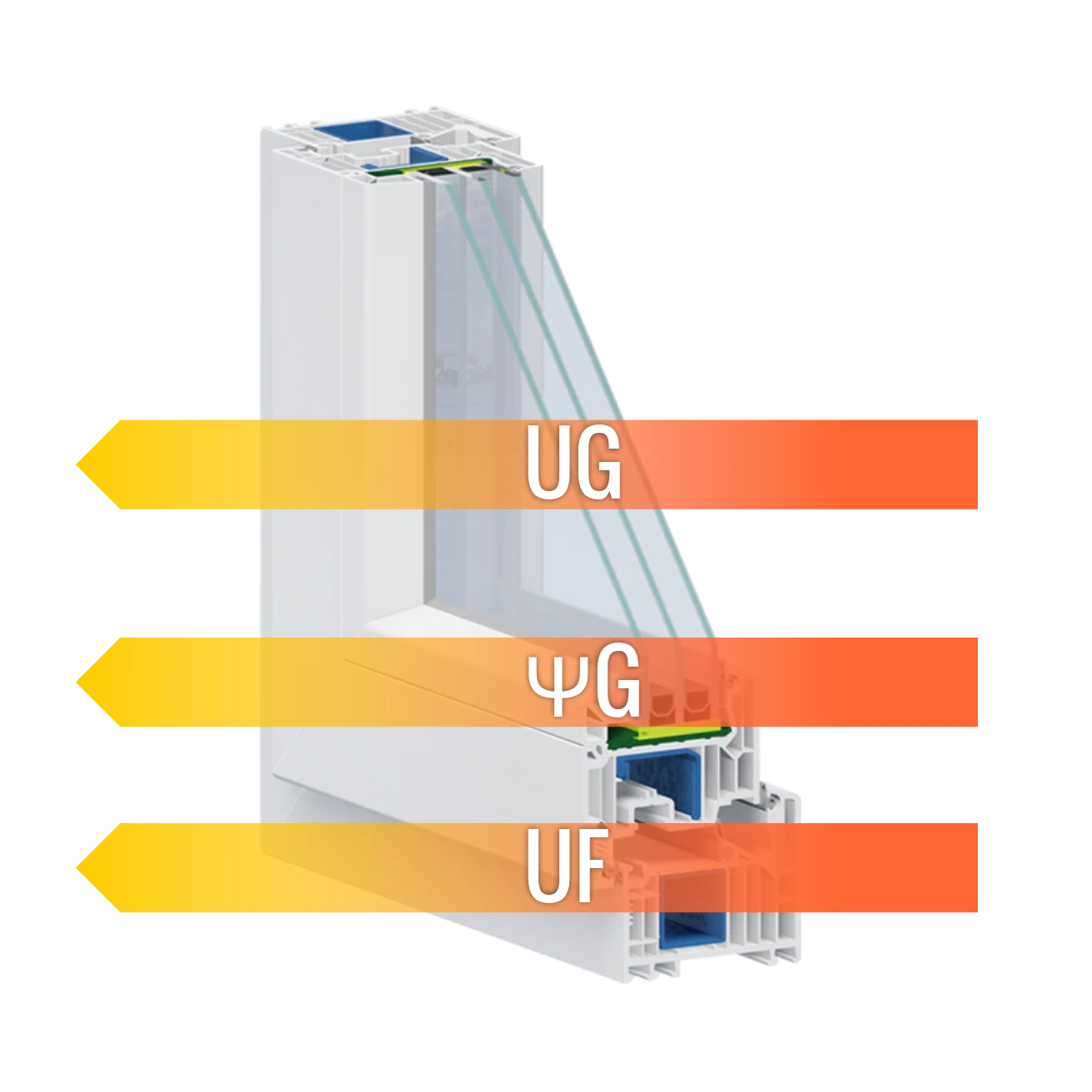
The thermal coefficient Uw (Ug + Uf + Ψg) is most often compared by consumers seeking energy performance. It is the most revealing value because it accounts for the thermal insulation of the entire window. The glass thermal coefficient Ug, profile thermal coefficient Uf and linear thermal coefficient of the glass-to-profile joint Ψg each measure energy loss through part of the window. Consumers tend to consider these less useful, preferring to rely on the overall performance of the product they buy.

Pay attention to the thermal coefficient scale : remember that the insulation difference between Uw of 1,0 and Uw of 0,75 is very large. A window with Uw = 0,75 insulates approximately 4 times better than one with Uw = 1,0! To avoid confusion, a window with Uw = 1,0 already offers very good insulation. For north-facing windows, Uw of 1,1 or lower is recommended.

Although Uw is a relevant and relatively reliable indicator for comparing windows’ thermal performance, it is not the only criterion when improving window insulation. Too many consumers overlook equally important factors such as material quality, manufacturer skill, seller reliability, factory assembly quality, delivery quality, product quality and installation… To meet environmental regulations for new buildings, many builders consider thermal coefficients such as Uw. They recognise, however, that this criterion alone cannot guarantee effective thermal insulation.

UF COEFFICIENT: PROFILE THERMAL INSULATION

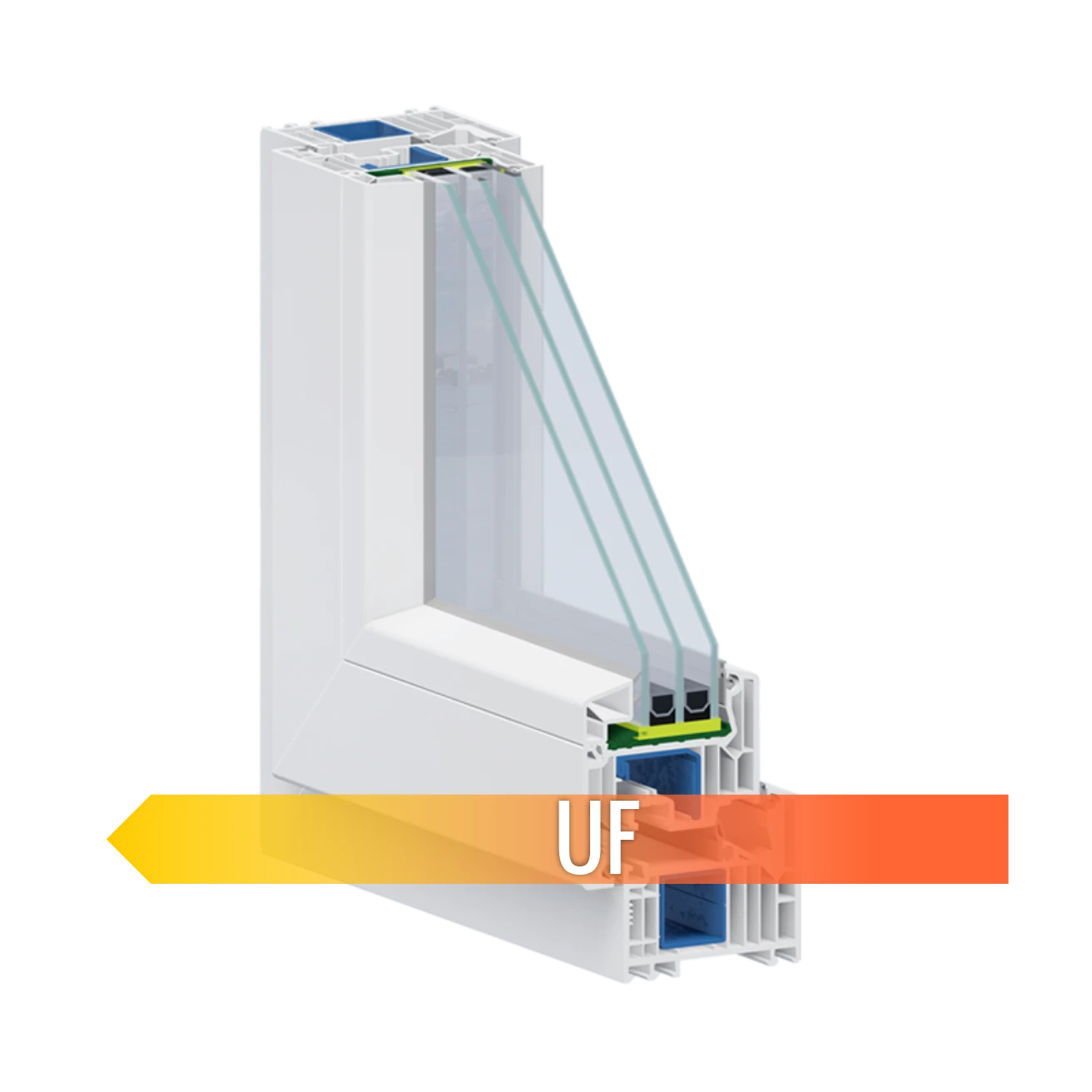
Many window models are available, and making the right thermal choice is sometimes difficult. Understanding their differences is essential to distinguish them clearly. Thermal transmittance coefficients allow comparison of windows, profiles or glass. Uf measures the profile’s heat transfer: the lower it is, the better it insulates. Do not confuse it with Uw, which describes insulation of the entire window.
UF factor

WHAT IS THE IDEAL UF THERMAL COEFFICIENT?

The best choice depends on your project’s needs and the set of window components you buy. Uf indicates a profile’s thermal conductivity. It is useful for comparing the thermal performance of several profiles, but relying solely on this indicator would be a mistake. A window’s insulating performance depends on many criteria. SAPLAST offers  windows that significantly improve overall thermal insulation. Air is trapped in small PVC compartments, creating a thermal barrier to the outside.

The thermal coefficient Uw is not an exact science either. Why ? For equivalent thermal performance, a window must meet several qualitative criteria: material quality, manufacturing quality, delivery quality, installation quality, etc. At SAPLAST, we know that every step matters as much as the window’s quality itself. That is why we neglect none of them and strive to provide windows offering as many benefits as possible. We also know that installation is a crucial step. We do not recommend installing windows yourself; we strongly recommend calling a competent professional who cares about your comfort.

UG COEFFICIENT: GLASS THERMAL INSULATION

Choosing glass for your window is not always easy. The choice is vast, and differences are almost invisible to the naked eye. Glazing is nevertheless extremely important because it largely determines your window’s insulation. For effective comparison, check Ug. The lower its value, the better the glass insulates. Do not confuse it with Uw, which describes the insulation of the window as a whole.
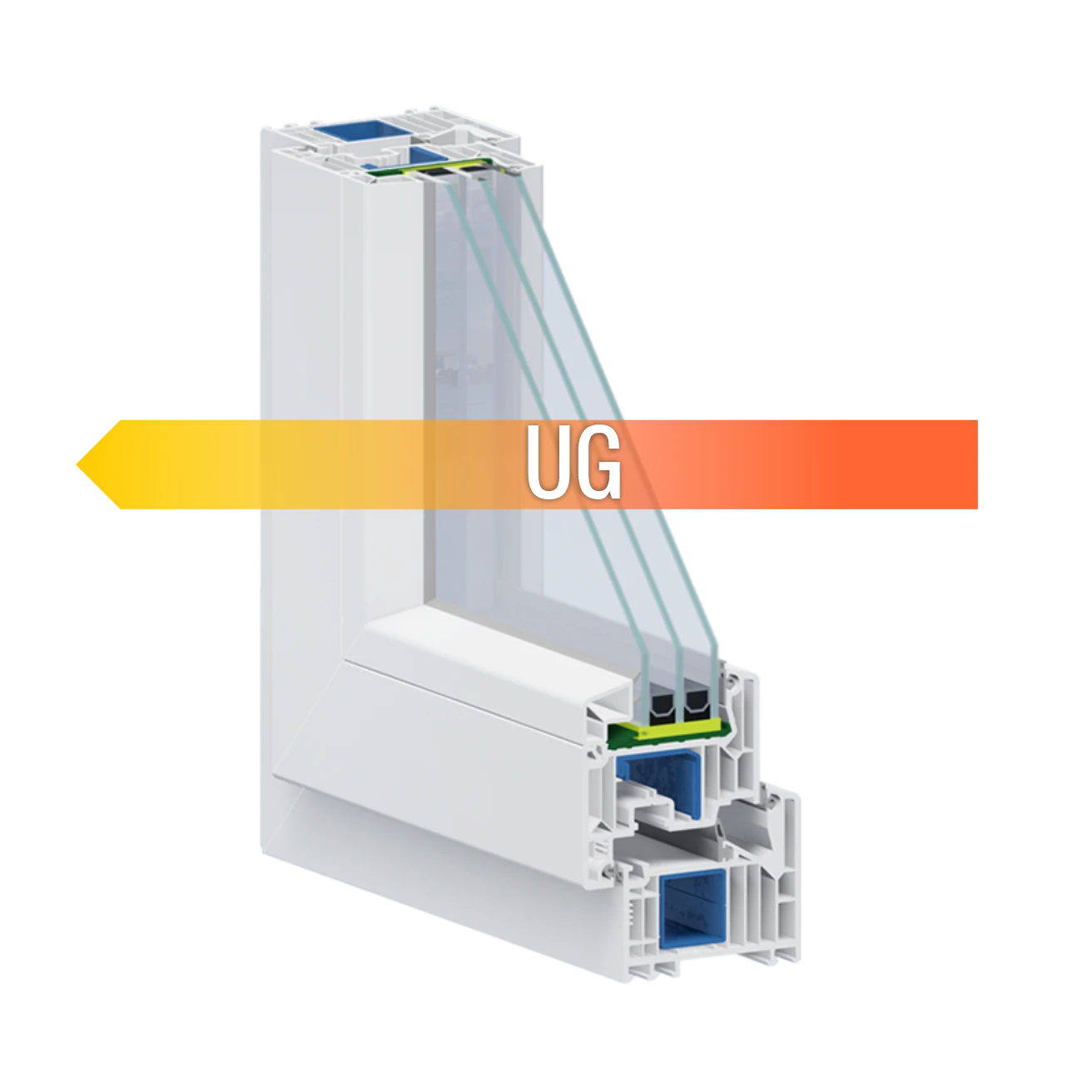
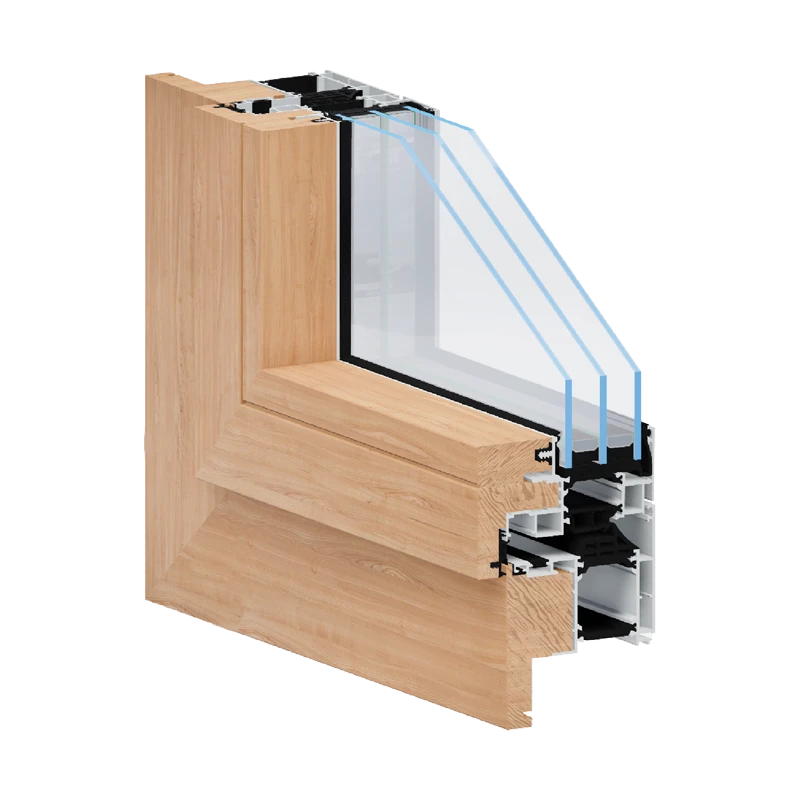
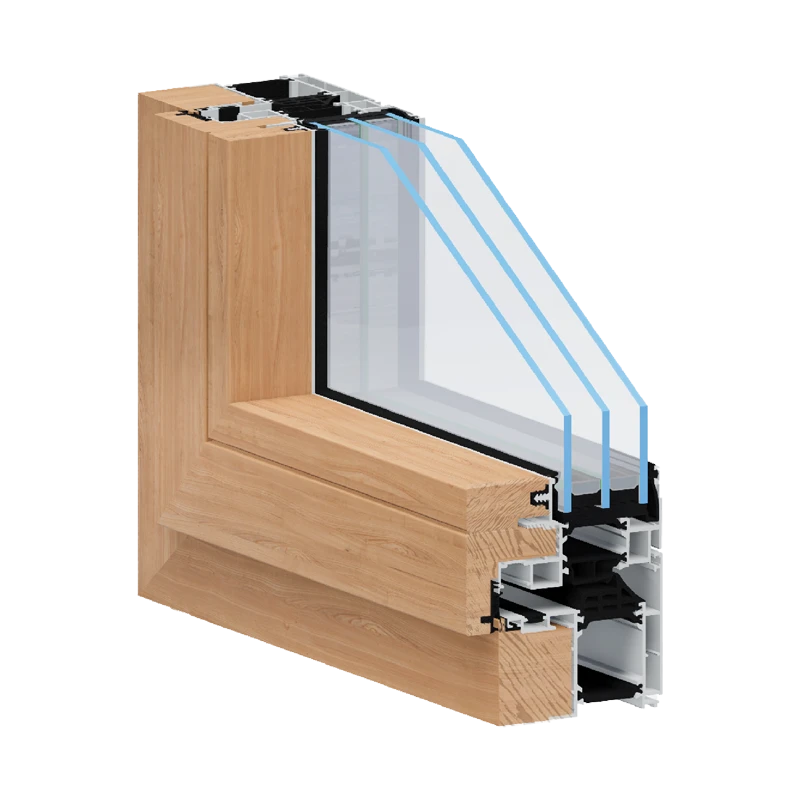
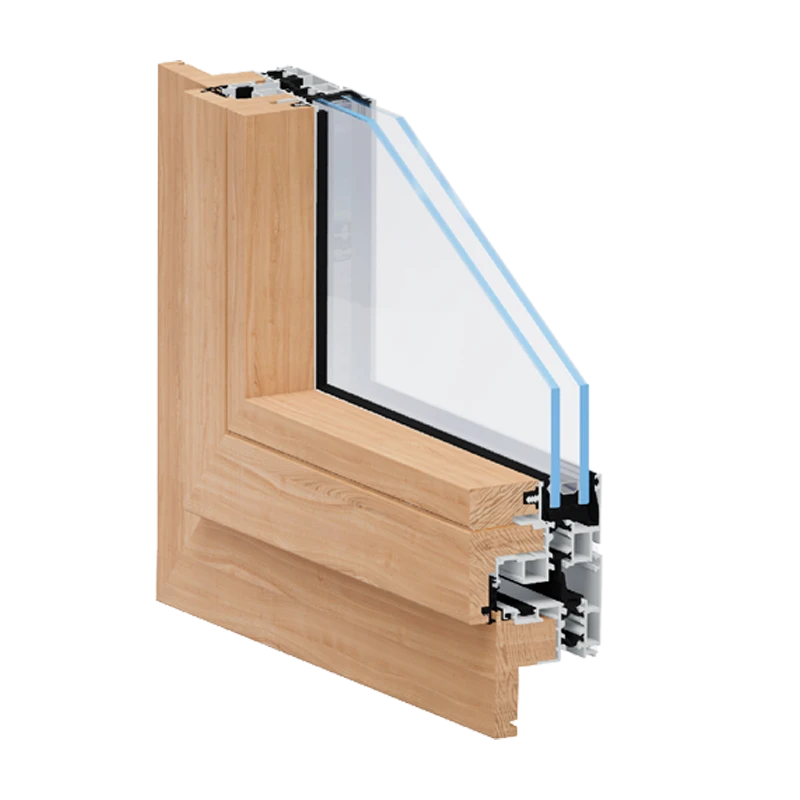
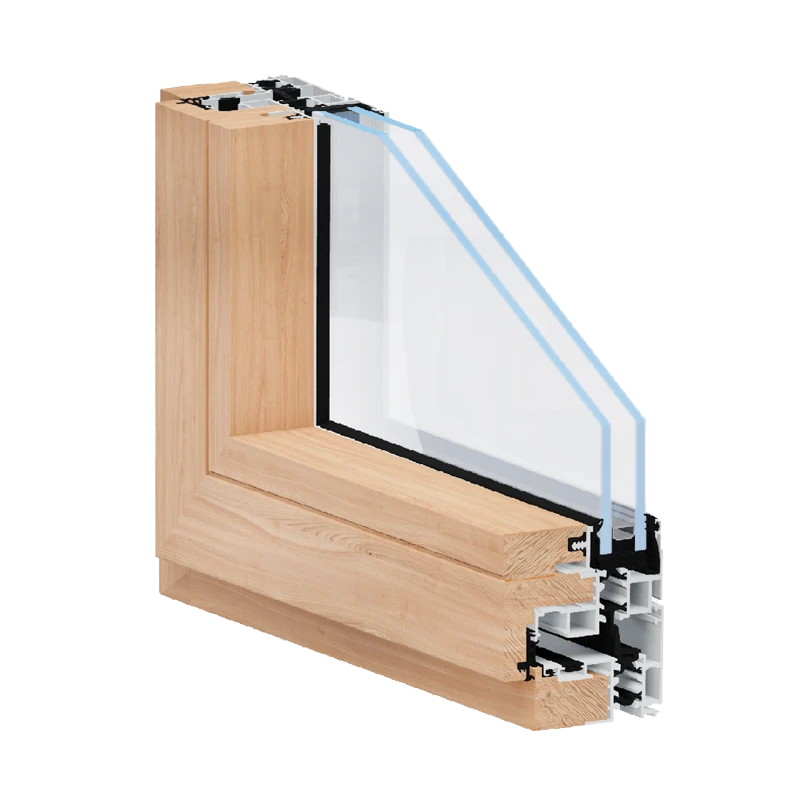
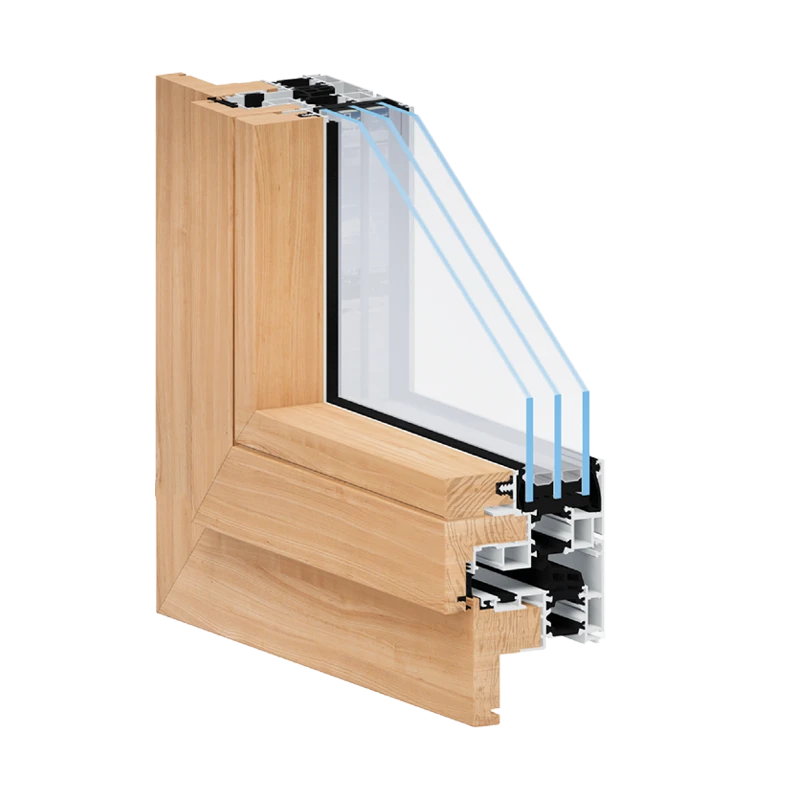
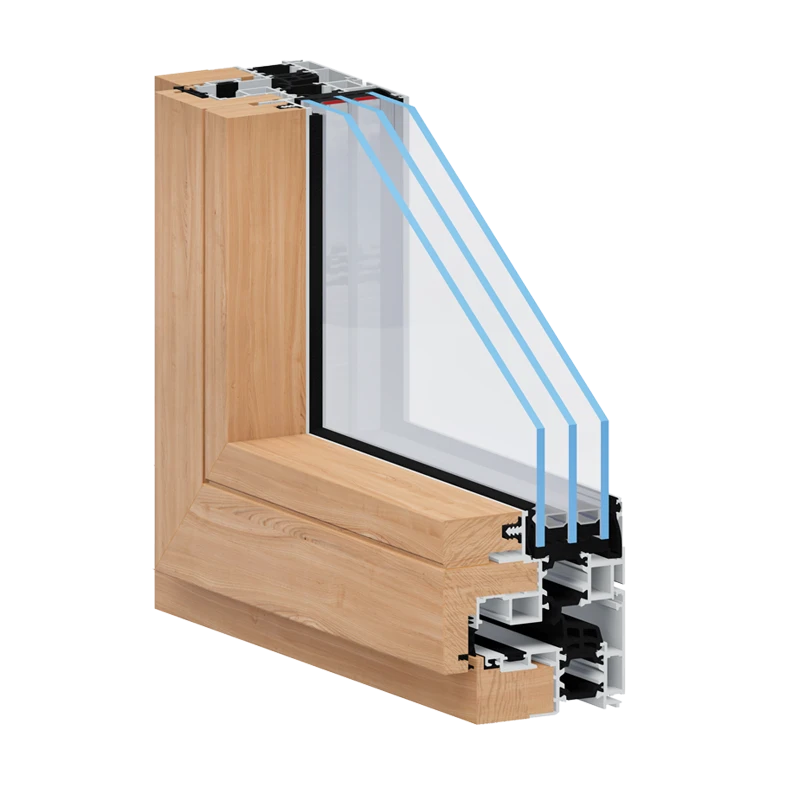
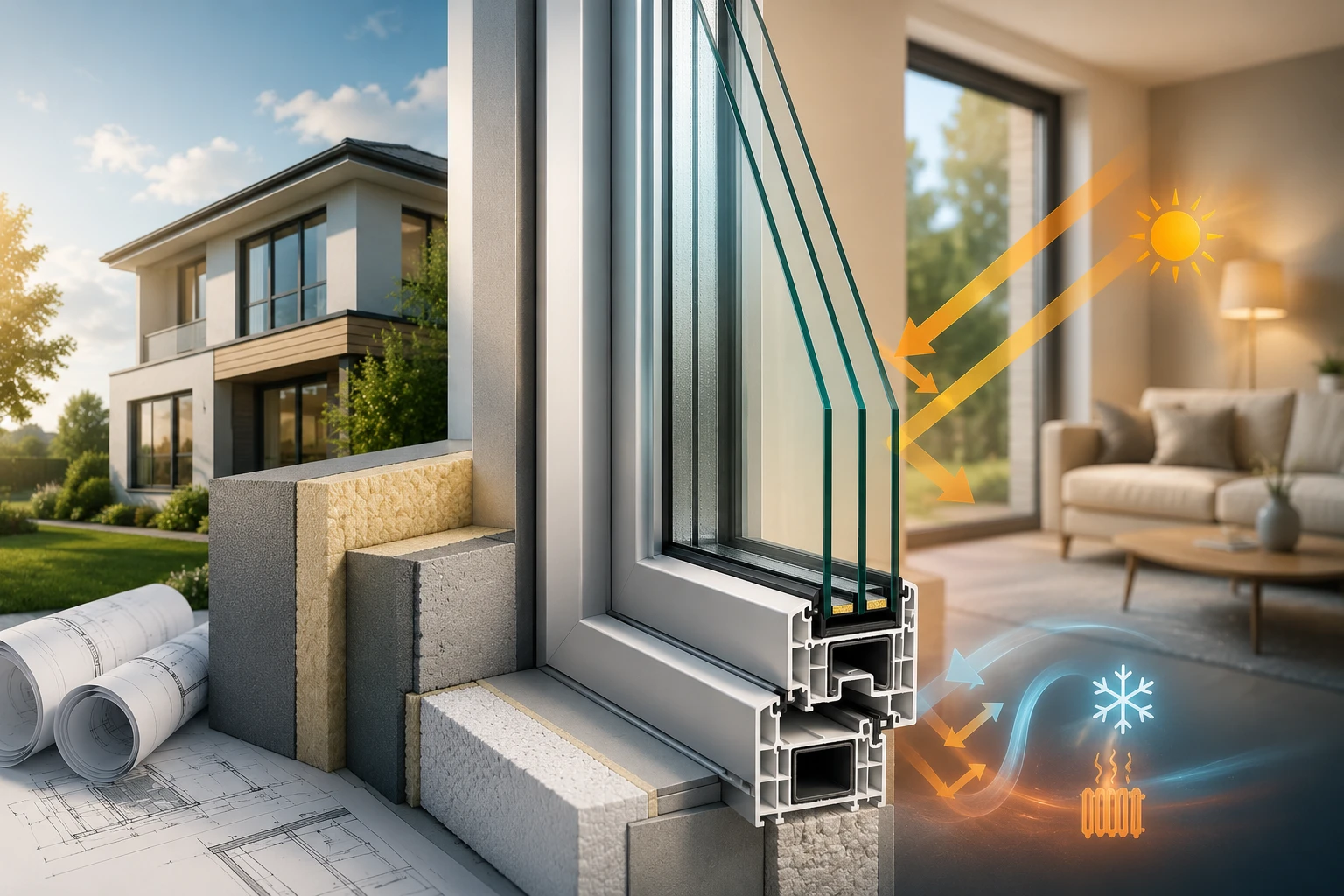
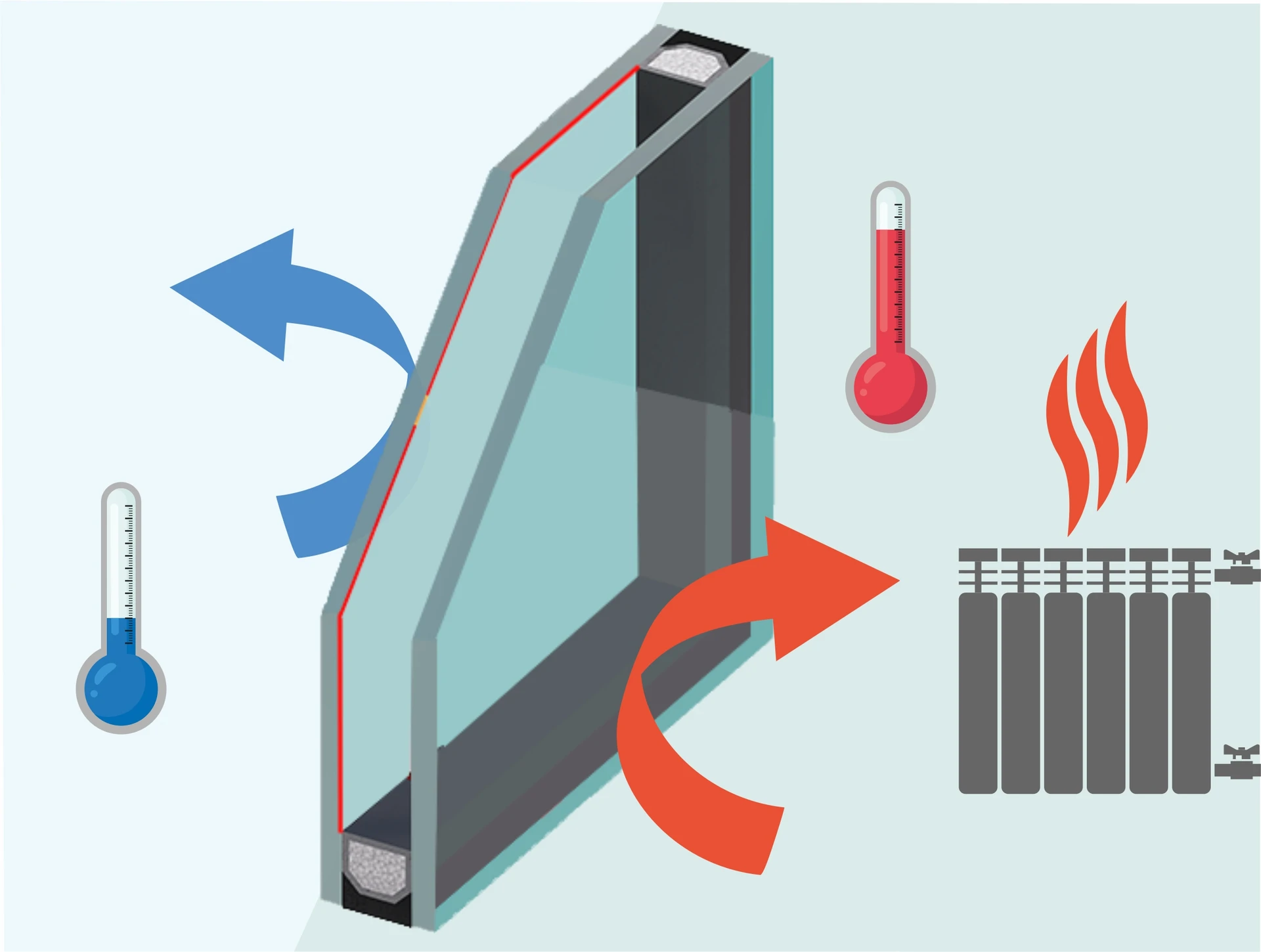
The Ug coefficient ( g = glass, “glazing” in French ) measures heat exchange between the inner and outer panes. The lower it is, the better the glass insulates and the better the window’s overall thermal coefficient ( Uw ). For example, our triple glazing for the new 85 mm profile has Ug of 0,5 W/m²K, while our double glazing has Ug of 1,1 W/m²K.

UG THERMAL COEFFICIENT: DOUBLE OR TRIPLE GLAZING?

If you want to improve your window’s thermal performance, triple glazing is often an excellent option. It is particularly useful in cold regions. Heat loss is greatly reduced, making it ideal for passive houses (also called “houses without heating”) .

Double glazing glass , on the other hand, has its own advantages: it suits most projects, especially renovations. Its value for money is unbeatable. Generally, choose double glazing for almost the entire home and favour triple glazing with an exceptional Ug coefficient for north-facing facades.

Remember that Ug is only an indicator. A window’s final thermal insulation depends on many factors: material quality, manufacturer and seller reliability, factory assembly quality, delivery quality, installation quality, etc. It is therefore essential not to choose solely on the glass’s thermal performance; the result would be too approximate. Thermal coefficients can nevertheless guide a better purchase. Note that Uw, Uf and Sw are also useful.
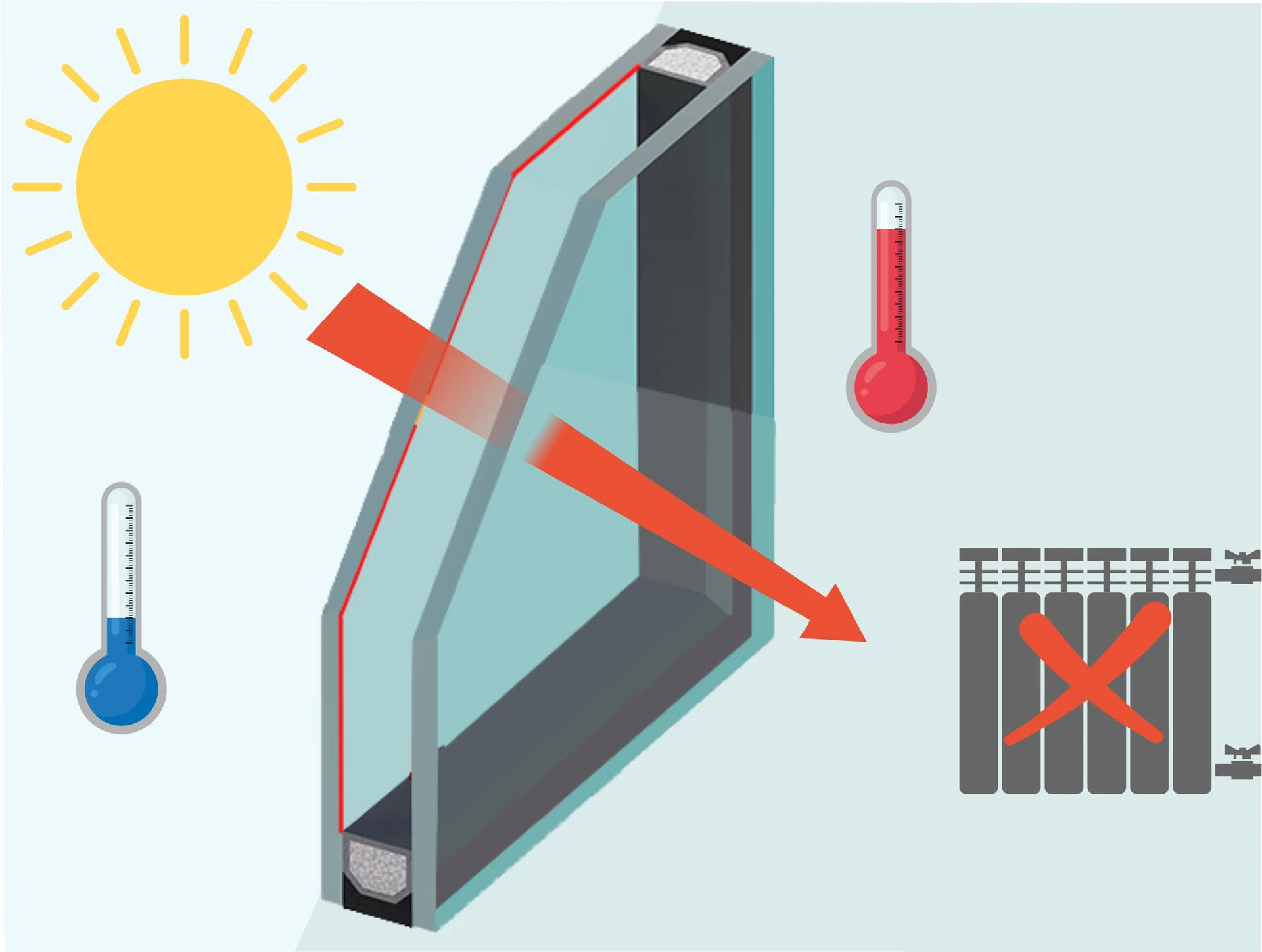
The thermal characteristics of windows and doors have developed considerably over recent decades. We now measure their performance with numerous indicators. We will introduce three basic factors to help you understand them:

  • A coefficient measuring window losses: Uw.
  • Two coefficients measuring solar gain: Sw i TLw.

THE UW COEFFICIENT MEASURES YOUR WINDOW’S THERMAL PERFORMANCE

Uw denotes the window’s thermal insulation coefficient.

It measures a window’s ability to retain as much warmth or coolness as possible in a room. Uw depends on both glazing and frame (aluminium, PVC, wood or combined wood-aluminium). The lower Uw, the better the windows and doors insulate.

First, U measures heat transfer through a building element (window, door, etc.). Uw therefore refers to a window’s thermal coefficient (W for window). It is one of today’s most commonly used coefficients. It measures the window’s ability to keep heat inside a room, or prevent it from escaping. This ability depends on:

  • Its glazing.
  • Its window frame (PVC, aluminium or wood)

We can therefore measure glass U (Ug, “g” for glass) and frame U (Uf, “f” for frame) separately. The closer Uf is to 0, the better the frame performs. The Energy Transition Agency (CITE) considers windows and doors insulating when Uw is less than or equal to 1,3 W/(m².K).

For comparison :

  • old single-glazed windows had Uw approximately equal to 6 W/(m².K).
  • Most windows and doors offered by MCP today have Uw less than or equal to 1,3 W/(m².K).

SW COEFFICIENT: YOUR WINDOW’S SOLAR FACTOR

When replacing windows and doors, you expect better insulation and maximum retention of warmth or coolness, described by Uw. But windows also admit heat in winter through the sun’s rays. This external energy source is free and “heats” objects in your home (sofas, furniture, curtains, etc.), which then release heat that remains inside if the window has a good Uw.

This ability to use solar energy is measured by Sw. The higher it is, the more solar heat your window can bring into your home. It is a number between 0 and 1.

Sw reflects a window’s ability to transmit solar heat, particularly from the sun’s rays in winter. Its value is between 0 and 1. A higher number means greater heat gain and less heating required (energy savings).

TLW COEFFICIENT: LIGHT TRANSMISSION FACTOR

TLW is a concept quite similar to SW. It measures how much sunlight a window admits. The higher this amount, the less artificial lighting your home needs, saving energy.

Like Sw, TLW is between 0 and 1.

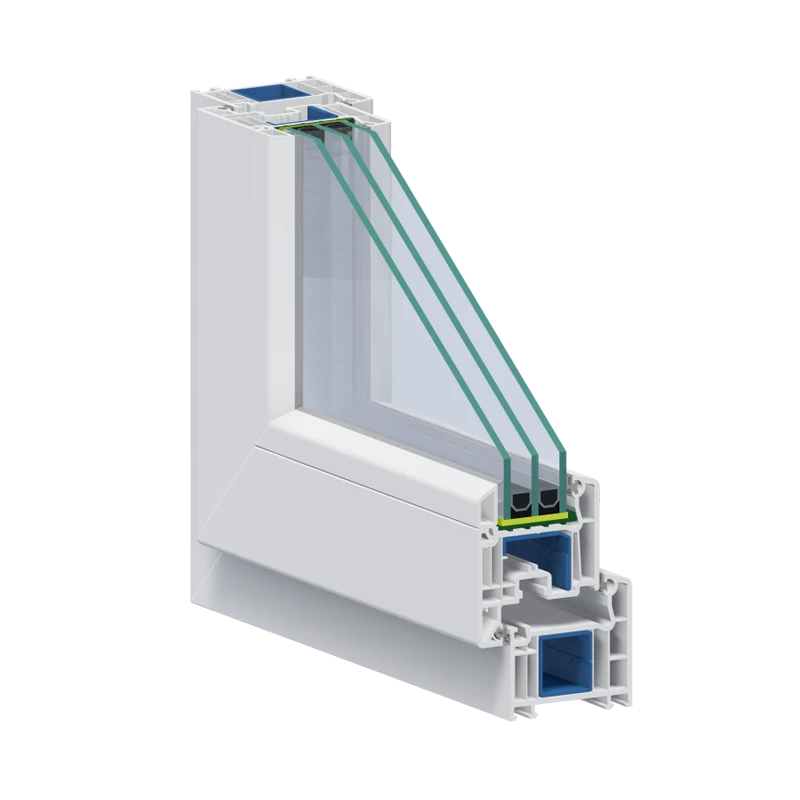
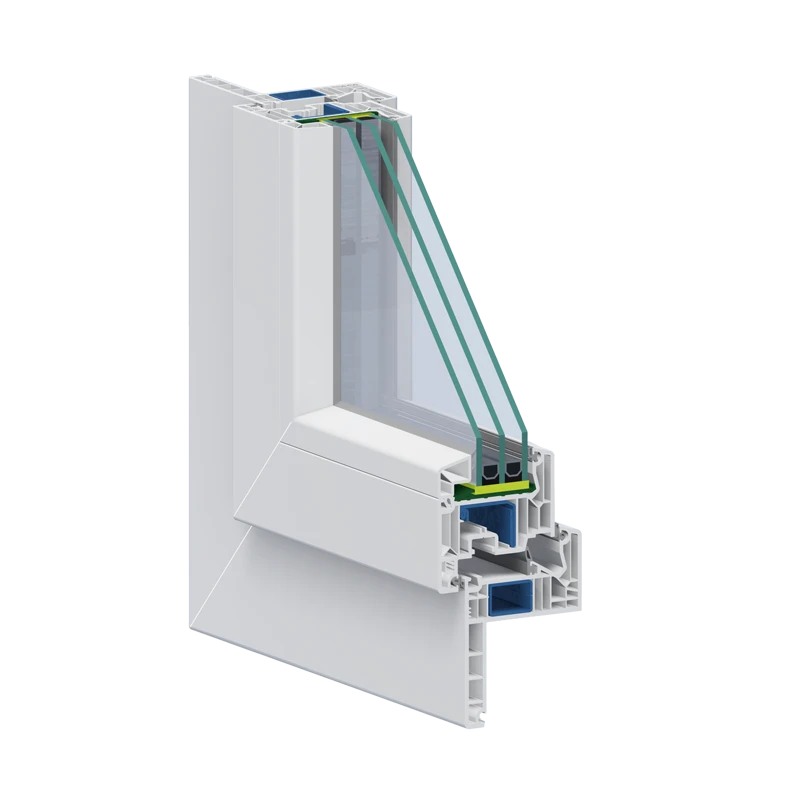
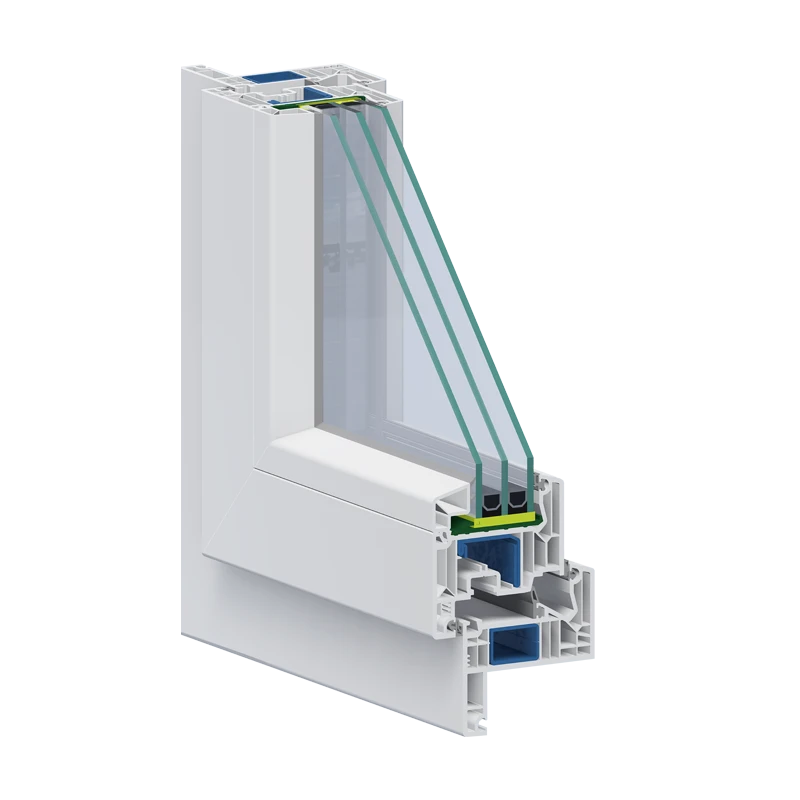
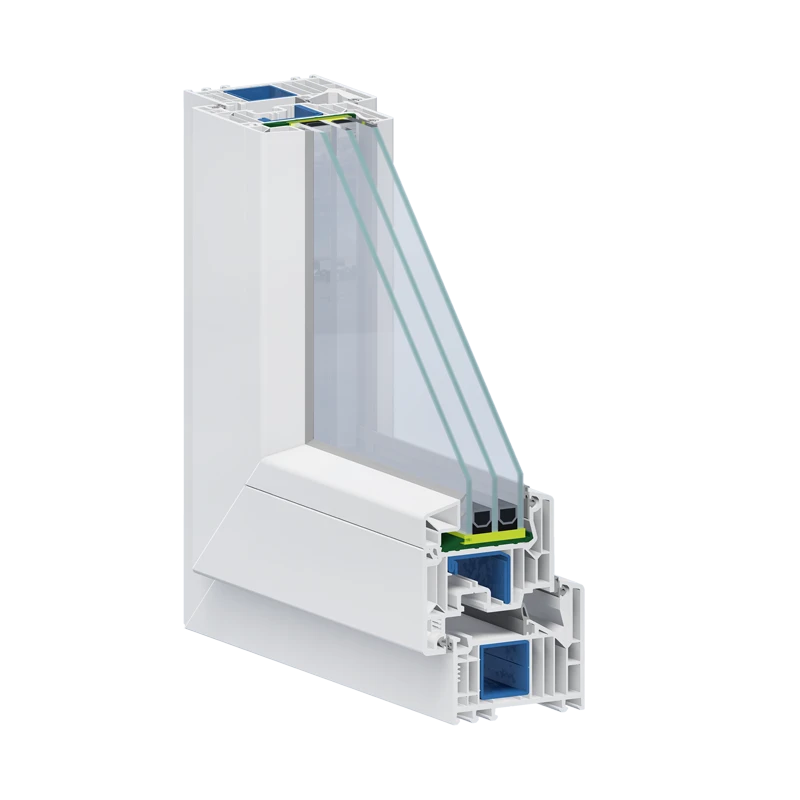
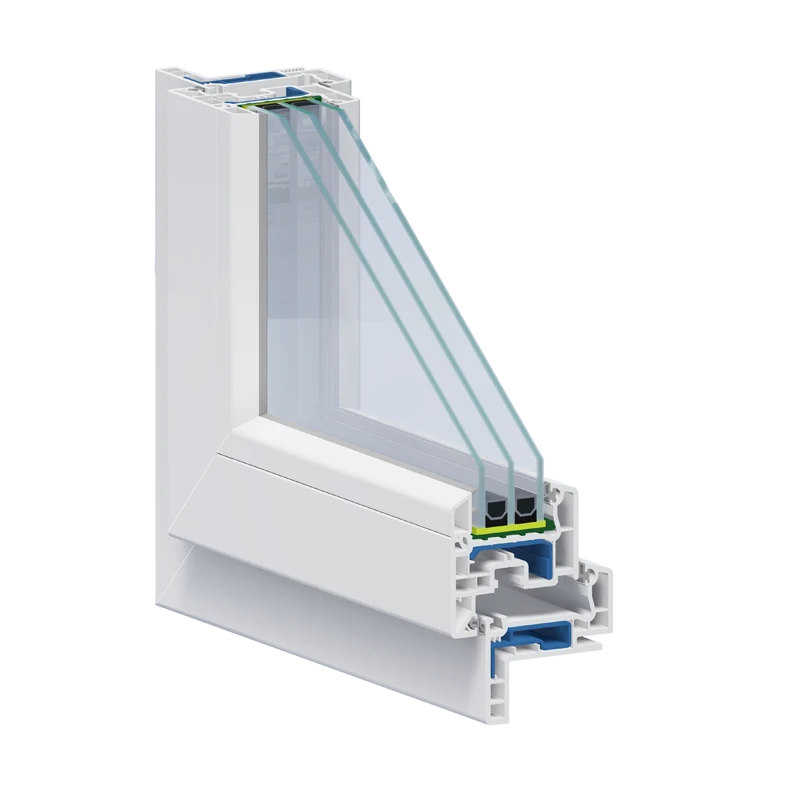
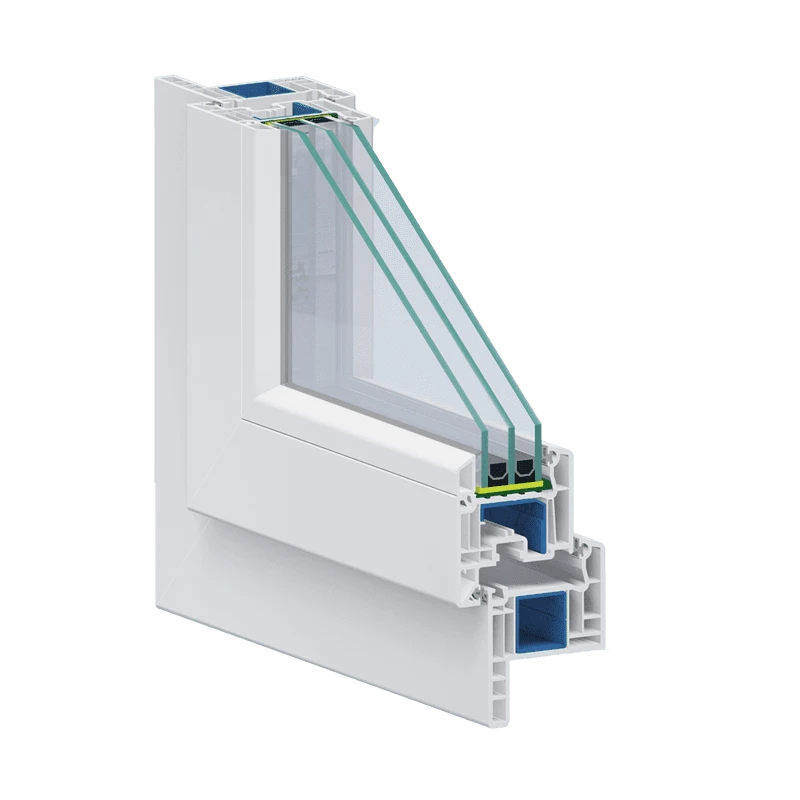
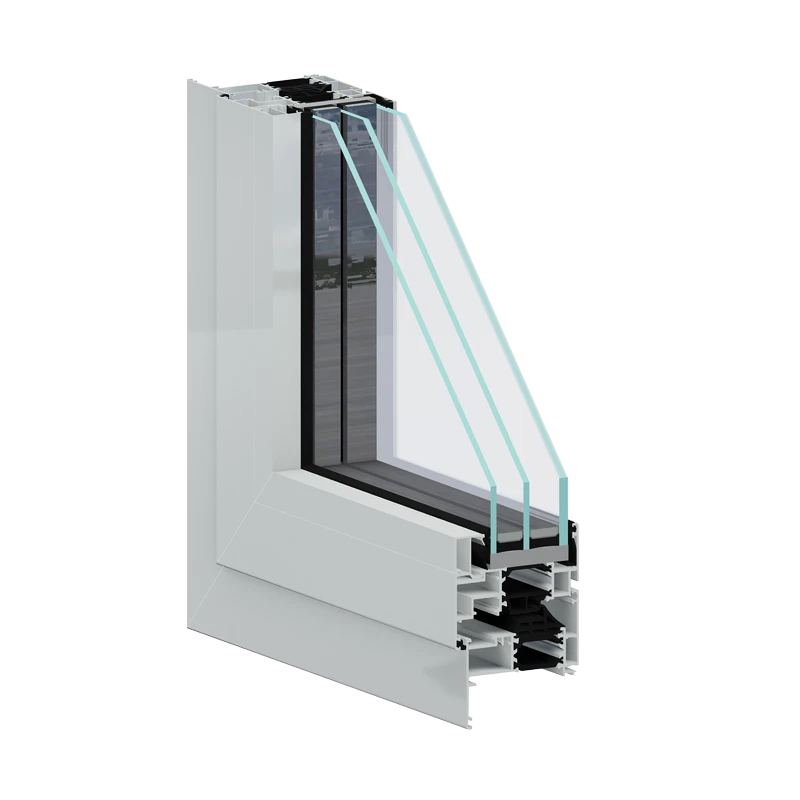
SAPLAST window and balcony door systems

ST-DA87 Renovacija
ST-DA87 Renovacija
ST-DA87 Classic
ST-DA87 Classic
ST-DA67 Renovacija
ST-DA67 Renovacija
ST-DA67 Classic
ST-DA67 Classic
ST-DA75 Renovacija
ST-DA75 Renovacija
ST-DA75 Classic
ST-DA75 Classic
STW-67 Traditional
STW-67 Traditional
SL 70 Clasic
SL 70 Clasic
ST 85 Classic
ST 85 Classic
SL 82 Renovacija 65mm
SL 82 Renovacija 35mm
SL 82 MD
SL 82 MD
SL 70 Max light
SL 70 Max light
SL 70 Renovacija
SL 70 Renovacija
ST 85 Renovacija
ST 85 Renovacija
ST 85 Concealed sash
ST 85 Max light
ST 85 Max light

Share article

Featured articles

Entrance doors create the first impression of your home. What really makes the difference?
Posted on
A beautiful window is not enough: 7 things to know before choosing wood-aluminium windows and doors
Posted on
Windows in autumn: 7 signs not to ignore
Posted on
Think your windows are energy-efficient? Check this
Posted on
Home security starts with windows and doors
Posted on
How to choose windows for every room in your home?
Posted on

Tell us
what you have in mind.

How can I help you?I speak all languagesSAPLAST Assistant